

A $203 million swing and no one to bill
Air New Zealand swung from NZ$144 million in earnings to a $59 million loss in the first half of the 2026 financial year. No interim dividend was declared. The airline blamed engine maintenance delays, cost inflation, and grounded aircraft, and the numbers back it up. But the deeper story is not about one airline having a bad half. It is about an industry structure that lets suppliers extract value from customers who have no alternative.
The airline received $55 million in compensation from engine manufacturers during the period. Against an estimated $90 million in lost earnings from fleet disruption, that leaves at least $35 million in uncompensated losses absorbed by the airline and, by extension, its shareholders and customers. That is not accountability. That is a supplier paying roughly 60 cents on the dollar for a problem it created.
Caught in both crises at once
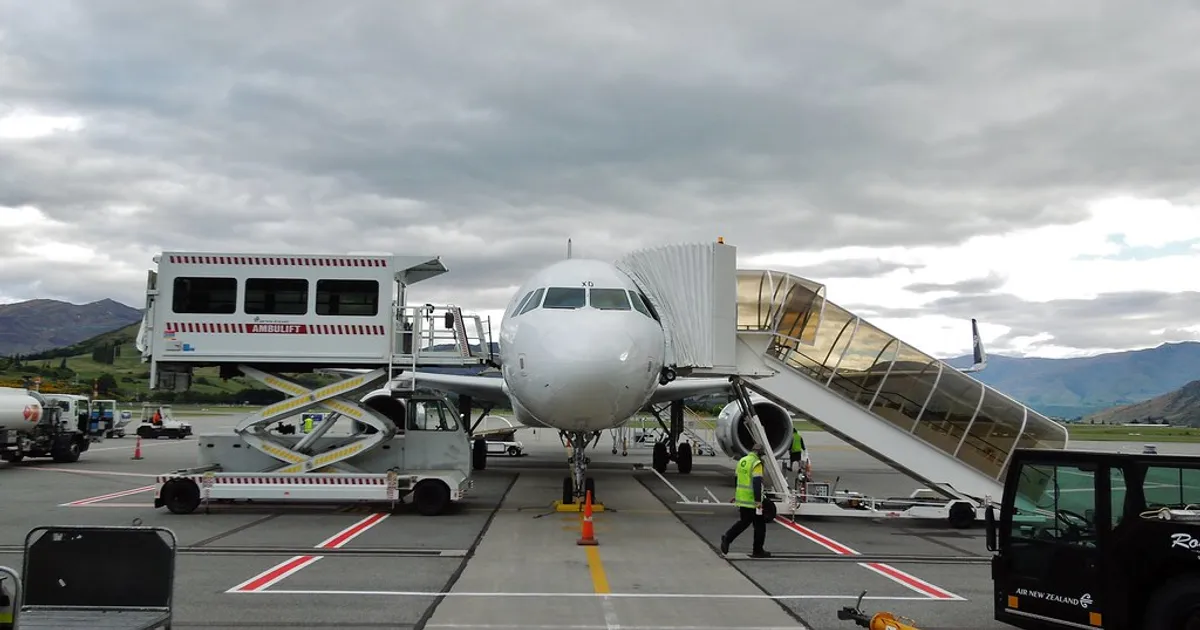
Air New Zealand’s exposure is unusually severe. The airline exclusively uses Rolls-Royce Trent 1000 engines on its Boeing 787 Dreamliner fleet and Pratt & Whitney PW1000G engines on its Airbus A320neo and A321neo narrowbodies. It is caught in both major engine crises simultaneously.
The result: up to eight aircraft grounded at any one time, international long-haul capacity down 3.6%, and domestic capacity flat despite demand growth with up to five narrowbody aircraft parked. A May 2026 NZX market update confirmed the airline was still managing fleet constraints well into the second half.
CEO Nikhil Ravishankar said in February that the airline was ‘pleased with recent progress’ and expected four grounded aircraft to return to service during 2026. But he immediately added a caveat that should concern investors: ‘improvements in aircraft availability are unlikely to translate immediately into earnings uplift due to uncertainty in timing of aircraft and engine returns.’ The airline is not banking on recovery. It is hoping for it.
The industry has moved from frustration to accusation
The global airline industry body IATA has escalated its language considerably. Director general Willie Walsh has described engine manufacturers’ timelines for fixes as ‘off-the-chart unacceptable’ and condemned fuel suppliers’ pricing of sustainable aviation fuel as ‘profiteering.’ Average SAF costs sit at 3.1 times conventional jet fuel, inflated by European compliance fees.
The global aircraft order backlog has exceeded 17,000 while deliveries run roughly 26% below estimates. Airlines cannot switch engine suppliers mid-fleet without enormous cost. They cannot accelerate new orders when the backlog stretches a decade. This is textbook supplier leverage, and the manufacturers are using it.
Running hard internally and still going backwards
Air New Zealand’s internal transformation programme, Kia Mau, delivered $45 million in incremental benefits in the first half. A genuine achievement. It was entirely swamped by $75 million in non-fuel operating cost inflation driven by mandated passenger levies, engineering costs, and airport charges.
The structural picture is bleak. Analysis shows the airline’s non-fuel operating costs have risen 37% since 2019 against CPI of 29%. Landing charges are up 64%. Engineering materials up 45%. Domestic fares rose only 32%, meaning the airline absorbed the gap rather than passing it through. The Commerce Commission’s May 2025 assessment confirmed aviation system charges have risen materially ahead of CPI and declined to launch a formal competition study, concluding the drivers were structural. That effectively removed the one regulatory lever that might have helped.
What NZ business loses when planes sit idle
Air New Zealand carries 10.7 million domestic passengers annually and generates $2 billion in domestic revenue. When widebody aircraft sit grounded, it is not just passenger seats that disappear. Cargo revenue fell $18 million, or 7%, in the first half, hitting exporters who rely on belly freight for high-value products. Tourism capacity is constrained when the country needs it most. The airline’s own warning about the ‘sustainability of regional connectivity’ is corporate language for routes that may not survive the cost squeeze.
The medium-term hope rests on two new GE-powered 787 Dreamliners arriving by financial year-end, with widebody capacity growth of 20-25% projected over two years. Diversifying away from Rolls-Royce is the right strategic move. But it depends on GE delivering on schedule, and in this supply chain environment, that is not a bet anyone should take to the bank.
Engine manufacturers hold the keys, the regulator has stepped back, and the airline is absorbing costs it cannot fully recover. The $55 million in compensation is not a settlement. It is a reminder of who has the leverage and who does not.
Sources
- Air New Zealand announces 2026 interim result and provides full year guidance (2026-02-27)
- Air New Zealand market update – NZX announcement (2026-05-14)
- Air New Zealand Interim Financial Report (PDF)
- IATA slams ‘unacceptable’ engine problems affecting the likes of Air New Zealand – NZ Herald
- Air NZ’s dismay at engine troubles, Rolls-Royce responds – NZ Herald
- Commerce Commission assessment of domestic air travel competition (2025-05)
- Air New Zealand posts half-year loss as engine delays and rising costs bite – Karryon