

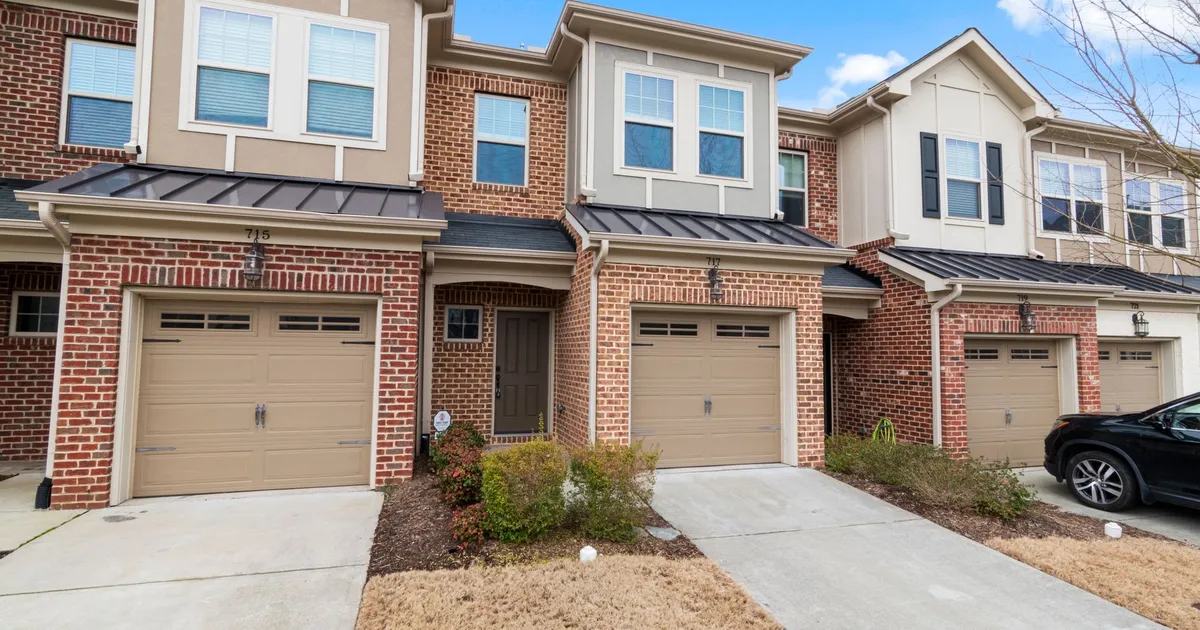
The bet that worked, until it didn’t
New Zealand spent a decade betting that if you let developers build density, the market would take it. On supply, the bet paid off. On absorption, it is now unravelling in real time.
Almost 20% of townhouses are selling at a loss, with a median loss of $49,500, according to RNZ reporting in May 2026. They are sitting on the market for an average of 120 days versus 96 days for standalone houses. And the pipeline is still accelerating: 39,087 new homes were consented in the year to April 2026, up 16%, with townhouses, flats and units hitting 16,832 consents, up 19%. More product is landing into a market already choking on inventory.
Auckland alone has nearly 14,000 properties for sale, the most since 2015. Nationally, about 35,000 properties are listed, roughly 8,000 of them new builds.
How we got so much of one thing
This was policy, not accident. The NPS-UD, Auckland’s Unitary Plan and subsequent intensification reforms stripped density restrictions across most residential zones, and developers responded rationally to the returns. Townhouses deliver more dwellings per square metre of land, and low-deposit new-build lending plus KiwiSaver withdrawals gave first-home buyers a way in.
The shift is dramatic. In 2011, almost 90% of new dwelling consents were standalone houses. New Zealand now builds roughly as many townhouses as houses, with 242,000 townhouses across the country, up 48,000 over eight years. The 2021-2022 boom supercharged it: developers paid peak land prices and locked in commitments that are now completing into a market underwritten against numbers that no longer exist.
Christchurch is the stress test
No city built harder. About one in four Christchurch homes is now a townhouse or terraced house, and in March 2026, 79% of the city’s consents were multi-unit developments. The absorption gap is glaring: there are around 84 listings for two-bedroom townhouses against more than 512 consents for two-bedroom units issued in January through March alone.
Carl Taylor, head of the Combined Building Supplies Co-operative, does not dress it up. “We’re in that position where we’ve just overbuilt these things,” he told the Otago Daily Times in July 2026. Agents are reporting single-digit viewings over three weeks for townhouse units against 22 groups in two weeks for standalone homes. Half-finished developments are appearing across the city where builders have gone bust and properties face mortgagee action.
The counterpoint is real: Christchurch prices have pushed to near-record highs, which complicates any simple “townhouses crash values” story. But strong migration, infrastructure spending and post-earthquake land constraints are Christchurch-specific factors. They do nothing to fix the product-level problem of unsold two-bedroom, no-garage units.
Why this is a credit story, not just a housing one
The uncomfortable part for business readers sits in the finance stack. In a March 2026 report, Newsroom flagged a feedback loop where townhouses sit so long they lose their new-build status. Once that happens, first-home buyers lose access to the low-deposit lending that made the product viable, removing a key buyer cohort and extending time on market further.
When developers sell completed stock at or near cost to free up capital, the collateral behind their construction loans is impaired. Townhouse median values fell 1.7% over the past year against a 0.7% drop for houses, The Spinoff reported in February 2026, and Christchurch consultant Mike Blackburn noted the same month that visible listings mask “maybe four or five others that are on the market for sale”.
The gap between policy intent and market reality
In Auckland the median townhouse sold for $750,000 in June 2026 against $1,050,000 for a standalone house, a $300,000 gap that has genuinely opened the door for first-home buyers even as it reflects how commoditised the product has become. Cotality’s Kelvin Davidson calls townhouses weaker than the broader market but “not totally collapsing”.
The liberalisation did what it was meant to do. It unlocked supply. What it never guaranteed was the right product, in the right place, at a price the market could absorb at the pace it was delivered. With Canterbury consents still up 29% and the national pipeline climbing, that gap is being priced in slowly and painfully, and the developers, builders and lenders exposed to it are the ones paying first.
Sources
- Almost 20% of townhouses selling for a loss (2026-05-21)
- Does NZ have too many new townhouses – and are they crashing the market? (2026-07-24)
- Townhouse boom leaving half-finished builds across Christchurch (2026-07-24)
- Multi-unit homes lead rise in home consents in April 2026 (2026-04)
- The great property breakup (2026-03-07)
- The great townhouse slowdown (2026-02-26)