

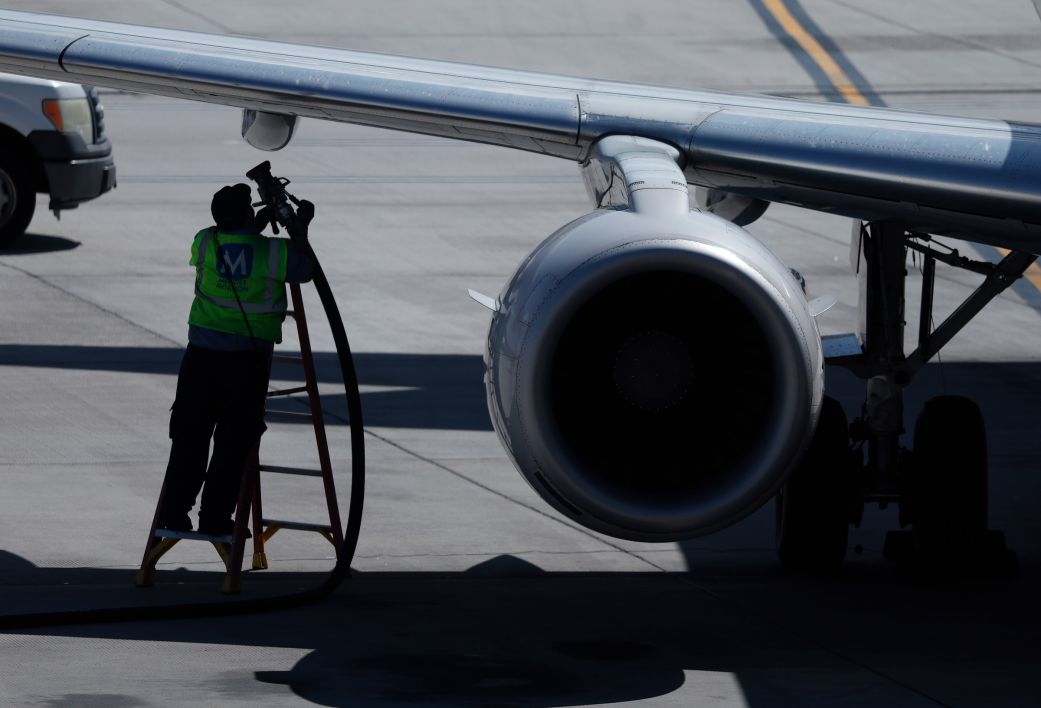
The escalating war in Iran has choked off vital oil shipping routes, creating a severe jet fuel shortage that threatens to upend summer travel plans across the globe.
Airlines in Europe and Asia, which depend heavily on imports, are bracing for disruptions as the Strait of Hormuz blockade traps supplies from key exporters like Kuwait and Bahrain. Kpler data reveals that more than 20 per cent of last year’s global seaborne jet fuel passed through the strait, with two-thirds heading to Europe.
While the United States, the world’s top oil producer and jet fuel exporter, avoids immediate rationing, soaring global prices are hitting American carriers hard and prompting them to cut unprofitable routes and raise fares.
Even if a deal reopens the strait soon, the damage is done for this summer. Airlines set schedules and prices months in advance, and United has already reduced its flights by 5 per cent over the next six months. Experts predict relief will be slow in coming.
“It’s going to take until at least July,” said Matt Smith, head U.S. analyst at energy consulting firm Kpler. “And even that may be optimistic at this point.”
Fuel ranks as airlines’ second-largest expense after labour, with a single-aisle jet burning about 800 gallons per hour and wide-bodies even more. Last year, U.S. giants Delta, United, American, and Southwest spent roughly $100 million daily on it.
Delta now faces an extra $2 billion this year despite its own refinery, while United could see $11 billion more, CEO Scott Kirby warned staff in March. Last-minute fares to Caribbean hotspots have surged 74 per cent this month, and Hawaii routes are up 21 per cent, according to Deutsche Bank.
Asia, home to top refiner South Korea, is restricting exports to protect local supplies, as IATA director Willie Walsh noted last week. Restarting production and clearing backlogs will take weeks or months.
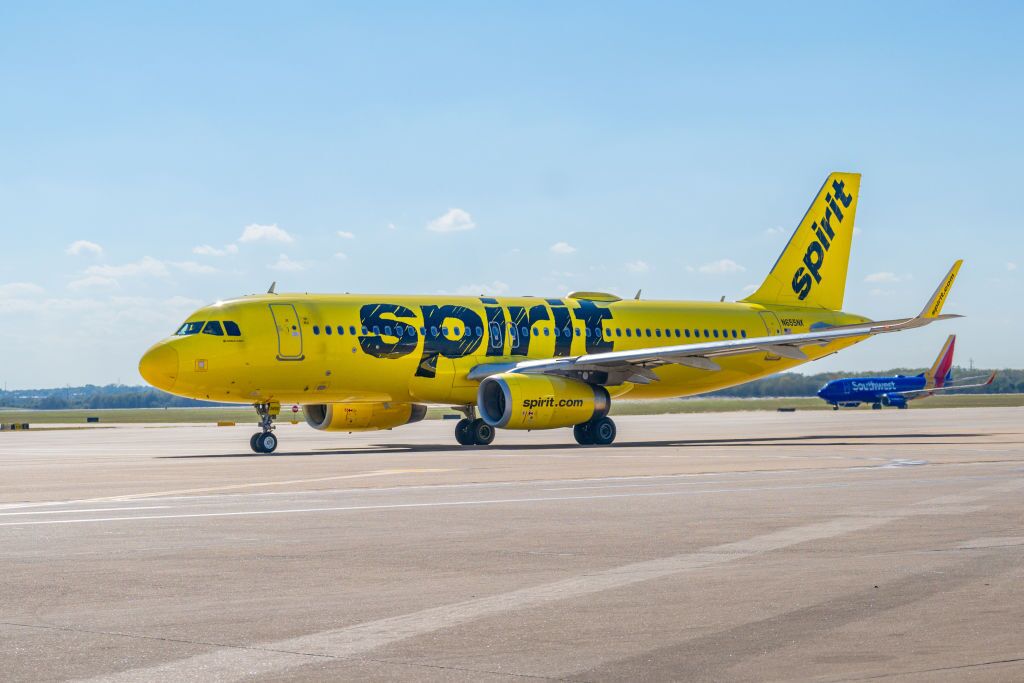
Budget carriers like Spirit Airlines, which has filed for bankruptcy twice recently, are most vulnerable. Its filings warn of an “immediate and substantial negative impact” from fuel costs, potentially leading to liquidation. “Financially weaker airlines that may struggle to absorb these combined pressures could default and/or return aircraft early,” Fitch Ratings cautioned this month.
United’s Kirby put it bluntly, “There’s just no point in flying flights that are going to lose money that can’t cover the cost of fuel,” he told Bloomberg late last month. With seats vanishing, fares will climb further as IATA calls for government aid.