

New Zealand’s credit data is telling two different stories, and business owners should pay attention to both. Centrix’s latest figures show consumer arrears are 11.2% lower than a year ago, while company liquidations are up 14%. The household recession is easing. The corporate failure cycle is not.
Centrix chief operating officer Monika Lacey told Mike Hosking conditions are “definitely stabilising” and that the credit bureau expects that to continue. Consumer arrears ticked up seasonally to 10.74%, credit demand is roughly flat on 2025 and defaults are down 1%. That is not a boom. It is the end of the freefall.
Rate cuts reached the kitchen table first
The household recovery has a simple engine. Back in July, Centrix put the average mortgage rate at about 4.85%, down from 5.91% a year earlier. That is real money back in household budgets, and it shows. Centrix’s August Credit Indicator puts mortgage arrears at 1.22%, about 19,900 accounts, still 12% below year-ago levels, with 424,000 people behind on some form of credit.
The recovery is not clean. The NZ Herald reports 14,500 accounts were in financial hardship in August, up 500 on the previous month. Unemployment rose to 5.6% in the June quarter, and power bill arrears are climbing. Households are also staying wary of new debt. Consumer credit demand fell 7.3% year-on-year in the July data, and new mortgage lending dropped 11.6% in the quarter. Centrix notes that borrowers in formal hardship typically take two to three years to rebuild their credit position, so the scars will outlast the headlines.
Companies are still paying for 2024
On the business side, the numbers keep getting worse. Liquidations hit 3,092 in the 12 months to July, up 14%. As early as July, Centrix was warning the full-year total would be the highest since 2010.
The explanation is lag. Businesses failing today were usually in trouble a year or two ago, drained by high rates, weak demand and unpaid tax that Inland Revenue is now chasing through the courts. Liquidation is the last step of a long process, not the first sign of stress. That is why the healthier indicators among surviving firms matter. Centrix’s June report showed business credit defaults down 13% year-on-year, alongside a 10% rise in new company registrations. Weak operators are being cleared out while those still standing are paying their bills.
Construction is growing and dying at once
The sharpest illustration sits in construction, which made up 28% of July insolvencies, more than any other sector. Yet the same Herald report notes construction activity rose 2.7% in the June quarter, the single largest contributor to GDP growth.
That is not a contradiction. It is consolidation. Work is returning, but it is flowing to firms with balance sheets deep enough to survive the drought. Back in May, Centrix data showed construction defaults improving 21% even as liquidations rose 7%. The industry is getting smaller in headcount and stronger in the middle. For anyone extending trade credit to subcontractors, the lesson is to check who is on the right side of that line.
Hospitality is the real barometer
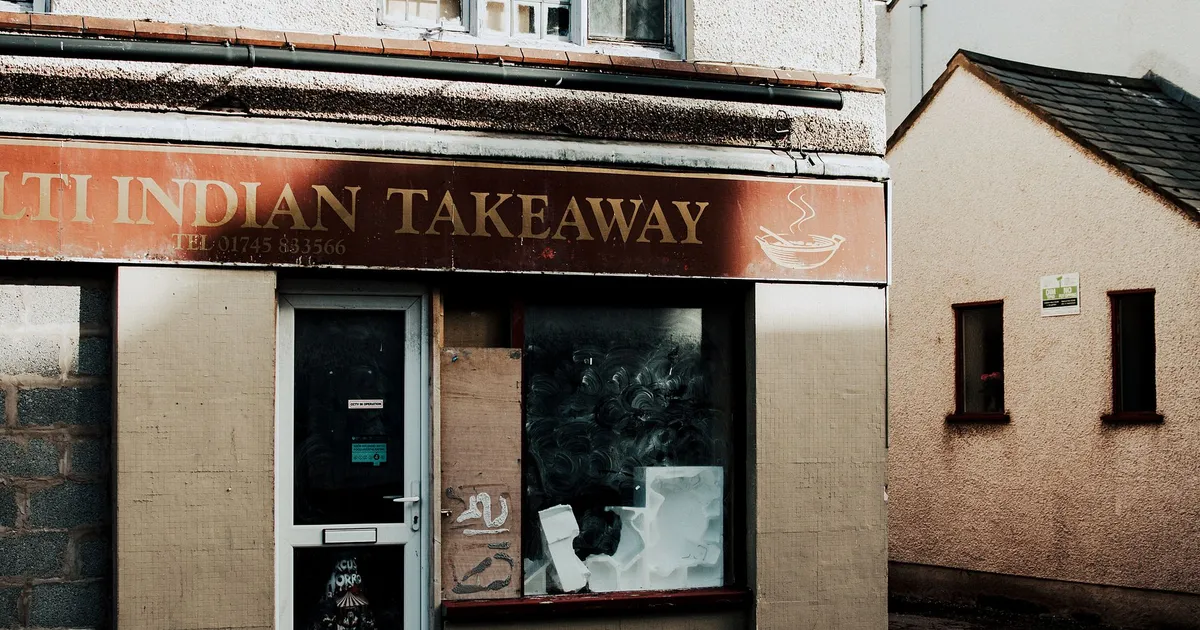
If construction is consolidating, hospitality and retail are simply bleeding. Hospitality liquidations rose 42% to 422, and retail liquidations jumped 50% to 239. The Post reports more than 2,900 hospitality businesses ceased trading altogether in the year to July.
Restaurant Association general manager Nicola Waldren put it bluntly: “We are definitely a barometer on how people are feeling.” And people are feeling cautious. Households that are catching up on arrears are doing it by not spending, which is exactly what discretionary businesses cannot afford.
The gap closes, slowly
The good news is the direction. Falling rates have repaired household balance sheets, and repaired balance sheets eventually become spending. Discretionary operators should expect demand to lag the arrears recovery by several quarters, not weeks.
The corporate failure count will likely keep climbing through the rest of 2026 as the pipeline of stressed firms works its way through. That is painful, but it is not a sign the economy is getting worse. It is the bill for the last two years arriving. The businesses that survive it will inherit less competition and a customer base in better shape than it has been since 2022. The job now is to still be standing when that customer starts spending again.
Sources
- Newstalk ZB: “Definitely stabilising”: Number of Kiwis behind on repayments down on last year (2026-10-01)
- NZ Herald: Centrix data show financial hardship rising again among Kiwis but mortgage stress eases (2026-09-30)
- The Post: Household credit arrears worsen amid rising unemployment and high costs (2026-08-31)
- Newswire: Fewer New Zealanders are behind on payments but business failures keep rising, Centrix says (2026-07-01)
- Centrix: August Credit Indicator Report (2026-08-01)
- Centrix: Credit Indicator Report – June 2026 (2026-06-01)
- Centrix: Credit Indicator Report – May 2026 (2026-05-01)
Join the discussion
Add useful context, ask a good question, or challenge an idea — keep it specific and respectful.