

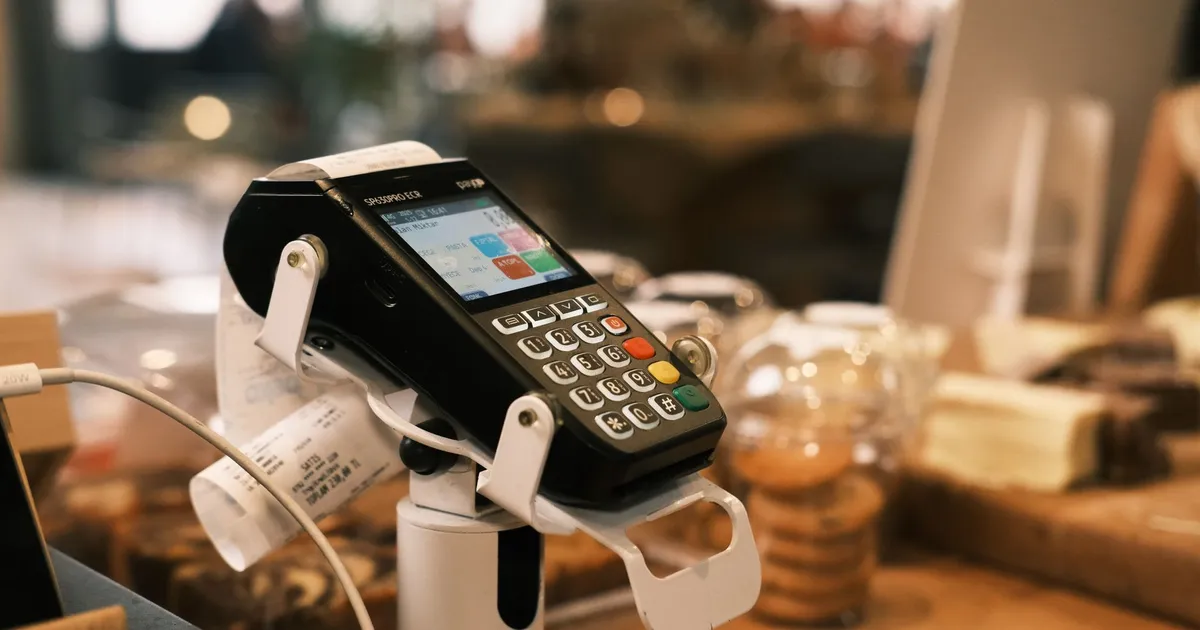
Australian shoppers stop paying card surcharges on 1 October. New Zealand promised the same thing more than a year ago and still cannot say when it will happen. For retailers and hospitality operators, the stall is more than political theatre. It leaves a pricing decision hanging over every till in the country.
Canberra paired the ban with a cheque
Australia’s ban covers EFTPOS, Mastercard and Visa debit, prepaid and credit cards. The Reserve Bank of Australia found Australians paid about A$1.8 billion in surcharges in a single year, with roughly A$1.6 billion of that falling on consumers.
The smart part is what came with it. The RBA did not simply ban surcharges and tell merchants to swallow the cost. It cut the credit card interchange cap from 0.80% to 0.30%, aiming to reduce business payment costs by about A$910 million a year. It was also candid that acceptance costs do not vanish. Businesses will fold them into prices, and the RBA estimated this could add about 0.1% to measured inflation as a one-off.
That is honest policy design. The regulator named the trade-off, costed it and offset it.
New Zealand did the easy half
New Zealand has already delivered its version of the carrot. Under the Retail Payment System Act, the Commerce Commission’s first pricing standard was credited with $140 million a year in savings, and its July 2025 decision was projected to add another $90 million from December 2025. Commerce and Consumer Affairs Minister Cameron Brewer now says the government is “committed to getting it right” and points to interchange cuts worth up to $290 million a year once fully in place.
The stick is what went missing. The ban bill was introduced in 2025 under then-Commerce Minister Scott Simpson, with implementation targeted for May 2026 or sooner. It covered in-store EFTPOS, Visa and Mastercard payments but excluded online transactions and other networks. May came and went.
By April, ACT and Retail NZ were publicly declaring the ban dead while Brewer insisted otherwise. In June, Finance Minister Nicola Willis said it would still go ahead, but conceded ACT had pulled support and small businesses had flagged that they pay proportionally higher card fees than big retailers.
A three-way standoff nobody is resolving
The politics now runs in three directions. National wants a ban but will not commit to a date. ACT thinks the whole idea is flawed. The Greens will lend their votes if the bill adds a 1% cap on merchant fees, a position Retail NZ backs.
ACT has a point worth taking seriously. In August 2025, University of Auckland academics Alexandra Andhov and Jodi Gardner argued a ban treats “the symptom, not the cause” and that the cost “won’t have vanished, it will merely be hidden” in prices. They pushed open banking instead, citing UK evidence of 8% annual savings on processing costs.
But consumers have made up their minds. Support for a ban sits at close to three in five, with only about 15% opposed. A government that promises a popular policy, sets a date, then drifts without explanation earns the worst of both worlds.
What the numbers mean at the counter
The stakes are real but smaller than the rhetoric. In 2025, the Commerce Commission estimated consumers paid up to $150 million a year in surcharges, with $45-65 million of that exceeding merchants’ reasonable costs, and about 20% of businesses surcharging. Against that, businesses pay about $1 billion a year in merchant service fees, and officials estimated a small business processing $330,000 in card payments would save only about $500 a year from interchange cuts.
That is the uncomfortable gap. The interchange savings flow mostly to large merchants with negotiating power. A café paying well above the wholesale rate cannot easily absorb 1-1.5% on every flat white once surcharging goes.
Decide, then let business plan
Australia’s model shows a ban can work if the offset is designed alongside it. New Zealand has the offset already, which makes the delay harder to justify, not easier. If the government has concluded ACT is right, it should say so and withdraw the bill. If it still backs the ban, it needs a date and a clear answer on whether small merchants get any protection on fees.
Either choice beats the current one. Retailers are setting prices, signing payment contracts and printing menus with no idea what the rules will be next year. Brewer says he will be watching Australia with interest. Businesses would settle for knowing what he intends to do.
Sources
- RNZ: Australia bans card surcharges – will we follow suit? (2026-10-01)
- RNZ: Card payment surcharge ban to go ahead, Finance Minister says (2026-06-10)
- Newswire: New Zealand stalls on card surcharge ban as Australia acts (2026-06)
- Evening Report: Card surcharges are banned from October 1. What’s changing at the checkout? (2026-09-25)
- BusinessDesk: Surcharge ban still on table despite coalition doubts (2026-04-28)
- Beehive: Bill to ban surcharges passes first reading (2025)
- University of Auckland: Card surcharge ban could have unintended consequences (2025-08-17)
Join the discussion
Add useful context, ask a good question, or challenge an idea — keep it specific and respectful.