

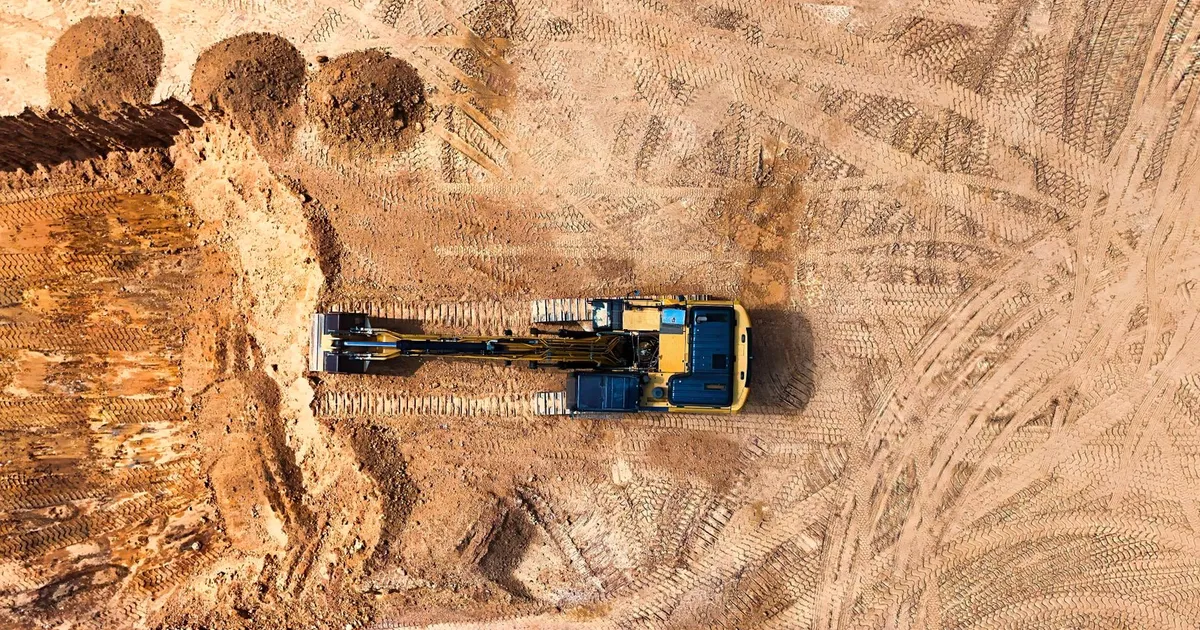
A hole the size of $5 billion
The principle sounds simple enough. When a developer builds houses, they pay councils for the pipes, roads, parks and stormwater their project triggers. Growth pays for growth, and existing ratepayers don’t get stung for the cost of accommodating new arrivals. That is how development contributions are meant to work.
Except it hasn’t been working, and the fast-track consenting regime has turned a chronic problem into an acute one. Infrastructure Minister Chris Bishop confirmed on 10 September 2026 that legislation is coming through Parliament to fix what he called a “lacuna” in the system. The trigger was a blunt warning from Auckland Council, which faces a potential infrastructure bill of up to $5 billion from 50,000 to 60,000 homes being built outside its planned growth areas over the next 20 to 30 years.
Why the numbers stopped adding up
Development contributions are locked in at the point a project applies for consent. That was fine when growth followed the plan. When a project turns up out of sequence, in an area the council never budgeted for, the contribution rates are often set very low because no one anticipated infrastructure costs there. Bishop acknowledged the mechanics himself: “if it’s an out of sequence development, those development contributions can often be quite low, right? Because the council didn’t anticipate development there.”
This is not a new complaint. A June 2024 Ministry of Housing and Urban Development regulatory impact statement documented more than a decade of high-growth councils unable to recover full growth costs. Fast-track simply industrialised the shortfall. Auckland Council estimates ratepayers could subsidise infrastructure for currently fast-tracked greenfield projects by up to $1.5 billion.
The Drury-Opāheke growth area shows the scale. The council approved a $2.3 billion funding and development contribution framework to service 60,000 expected residents, but less than half is recoverable from contributions. The sharpest example is a 1,200-home subdivision at Ōrewa, approved despite objections from the council and Watercare, which cannot connect the area to public water and wastewater until at least 2033. Developers have told the council residents’ associations will run the water infrastructure instead.
What the fix actually does
In August 2026, Bishop announced interim changes to the Local Government Act allowing councils to update contribution policies after fast-track applications are lodged, rather than being locked in at application. Councils can recover growth-caused costs and pass them across boundaries where projects load infrastructure onto neighbouring districts, with amended policies adopted within six months of fast-track approval. The September legislation extends this specifically to out-of-sequence projects.
On its own terms, this is a genuine correction. Making developers pay for the infrastructure they trigger is exactly what a pro-market, fiscally disciplined system should do. The problem is what it leaves behind.
The projects the fix won’t touch
Here is the detail the government’s framing glosses over. The changes do not apply to the 217 projects already submitted to or approved by fast-track expert panels. The $1.5 billion ratepayer subsidy estimate is built on precisely that existing pipeline. The rules that would have made those developers pay arrive too late to apply to them.
Local Government New Zealand president Rehette Stoltz cautiously welcomed the changes but was direct about the residual gap, warning some fast-track developments are “being heavily subsidized by ratepayers, counter to the goal that growth should pay for growth”.
What it means for business
New fast-track applicants face meaningfully higher contribution charges. Out-of-sequence greenfield projects that stacked up under the old locked-in rates may no longer be feasible, and developers need to model the uplift from day one. The Property Council supports the principle that growth contributes fairly but has flagged a real risk, that councils treat the new powers as licence for a wholesale reopening of contribution settings rather than targeted changes. For a sector that runs on cost certainty, that would be corrosive.
The structural answer is a new Development Levies system, which the DIA’s November 2025 supplementary analysis sketches out with separate levies for six council services, planned to be operational from 2029. Until then, the Local Government Act patch is the only tool, and it points forward only. Anyone buying into a fast-track area outside planned corridors should read the Ōrewa story carefully. No public water until 2033 is what “prioritised last” looks like in practice.
Sources
- Law change will address development contributions for out-of-sequence projects – minister (2026-09-10)
- Fast-track backtrack: Infrastructure Minister Chris Bishop to make developers pay councils more (2026-08-13)
- Hasty fast-track changes so councils can claim back infrastructure costs (2026-08-14)
- Fast-tracked housing developments can’t be paused, Chris Bishop says (2026-08-17)
- Chris Bishop rules out pausing fast-track housing and will let councils charge developers more (2026-08-17)
- Supplementary Analysis Report – Improving Local Government Infrastructure Funding Settings (2025-11-06)
- Regulatory Impact Statement: Going for Housing Growth (2024-06-12)
- Changes To Fast-Track Development Contributions Welcome But Problems Remain – LGNZ (2026-08-14)
- Fast-track developments face new Development Contribution rules – Property Council New Zealand
Join the discussion
Add useful context, ask a good question, or challenge an idea — keep it specific and respectful.