

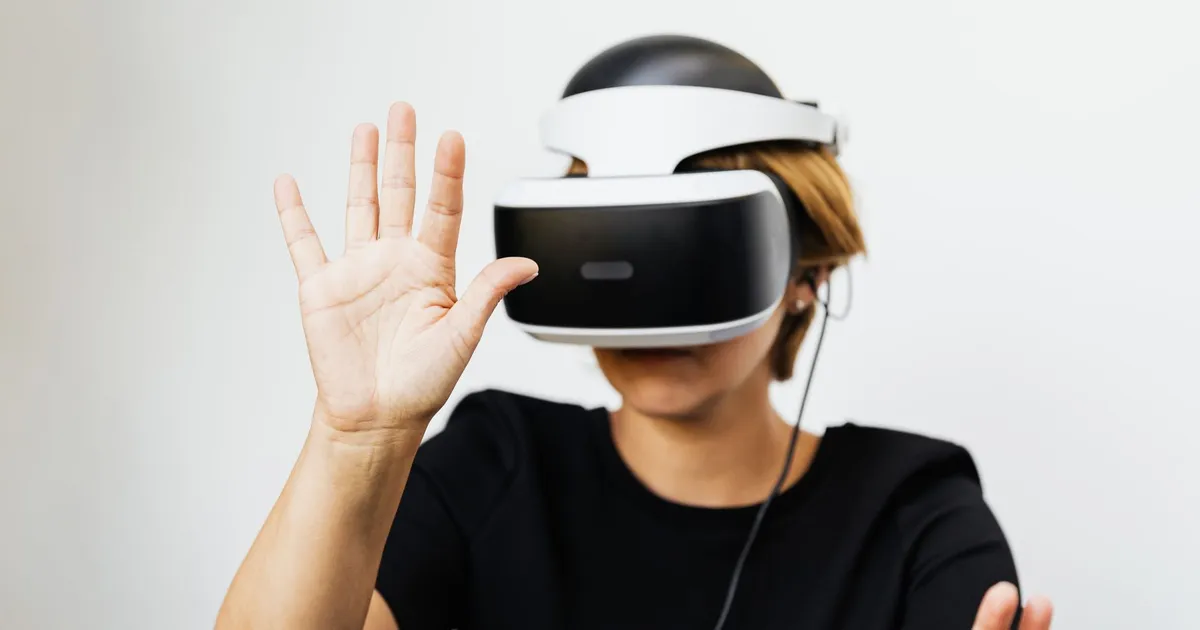
The technology outran the law
When Kmart put $99 Anko Camera Glasses on its shelves in August 2026, it did something regulators had been dreading. It turned covert recording from an early-adopter novelty into a mass-market impulse buy. Premium devices like Meta’s Ray-Ban and Oakley ranges were always going to reach a limited audience. A sub-$100 product at a discount retailer is a different category of problem entirely.
Privacy Commissioner Michael Webster took the issue to the Mike Hosking Breakfast on 1 September 2026, calling for a review of the legal framework, days after his office issued a formal statement setting out expectations. University of Canterbury professor Annette Mills described the devices as “essentially a computer on your face”, combining cameras, microphones, speakers and AI. The critical difference from a phone is that you cannot tell whether the person wearing them is recording you.
Why the exemption does not save businesses
Here is the detail most coverage has glossed over. The Privacy Act 2020 was built to regulate organisations, not individuals. It contains a broad personal and domestic use exemption, meaning most individual wearers will not breach it unless their recording would be “highly offensive” to a reasonable person.
That exemption does not extend to businesses. The Commissioner’s statement is blunt: for workplace use, organisations providing smart glasses to employees must comply with the Privacy Act and have policies in place to prevent inappropriate use. Principle 3 requires transparency, people must be told their information is being collected. Principle 4 requires that collection not be unreasonably intrusive. Both apply directly the moment an employer issues a wearable camera to customer-facing staff.
So an employer who hands smart glasses to warehouse pickers, field technicians or retail floor staff without a written policy, without customer disclosure, and without employment agreement provisions covering wearable devices is already exposed. Not after a law change. Now.
The regulator is asking, the Ministry is not moving
This is the awkward part. The Commissioner is calling for review, but the Ministry of Justice has confirmed it has no current plans to introduce a regulatory response specific to smart glasses. That leaves a live gap. Existing laws, the Harmful Digital Communications Act, stalking offences and the Crimes Act, might catch some misuse, but none were designed with smart glasses in mind.
The technology is already being misused. Webster’s office noted the glasses have been used for non-consensual filming and livestreaming of women in public places. Because they look like ordinary sunglasses, he said, “it’s very easy for people to be filmed covertly, which makes it harder for people being filmed to object to it.” The small warning light most devices carry is not enough. His view is that wearers “should still tell them that you’re recording.”
Your customers are already primed to complain
The reputational maths has shifted. The Commissioner’s 2026 Privacy Survey found 40% of New Zealanders are concerned about smart internet-connected wearables including watches and glasses. That is a large, sensitised customer base. An incident involving a staff member’s smart glasses is now far more likely to generate a complaint, media coverage or reputational damage than it would have been two years ago.
There is a second layer beyond the recording itself. The Commissioner’s office has flagged that platforms may be mapping user movement, tracking retail visits and aggregating behavioural data. Where the footage goes, who can access it, and whether it trains an AI model are separate compliance questions from whether the recording was disclosed. A Conversation analysis flagged mandatory disclosure of storage and AI-training use as a likely regulatory direction.
What to do before the law catches up
Waiting for legislation is the wrong posture, because the Commissioner’s expectations already carry weight. Any business deploying smart glasses needs a written policy covering when recording is permitted, disclosure obligations to customers, and data retention and deletion. Employment agreements should be reviewed to cover wearable recording devices, a gap in most standard templates. Customer-facing operators should check whether their privacy notices and signage address wearable recording by staff at all.
The 1News breakdown put it plainly, the Act’s protections sit uneasily against broad individual exemptions. For businesses there is no such comfort. The compliance obligation is here, the enforcement framework already applies, and the cheap glasses that make it a daily risk are on the shelf now.
Sources
- Michael Webster, Privacy Commissioner, on the need to review laws amid the rise of smart glasses (2026-09-01)
- Privacy Commissioner sets expectations about smart glasses (2026-08-28)
- Privacy experts warn of gaps in NZ law, as camera glasses hit Kmart shelves (2026-08-09)
- Smart glasses: Does NZ law prevent your image being shared? (2026-08-28)
- Smart glasses make secret filming easier. What does NZ law actually protect you from? (2026-08-28)
- Privacy Survey 2026 (2026-05-05)
Join the discussion
Add useful context, ask a good question, or challenge an idea — keep it specific and respectful.