

The apprenticeship that became a death sentence
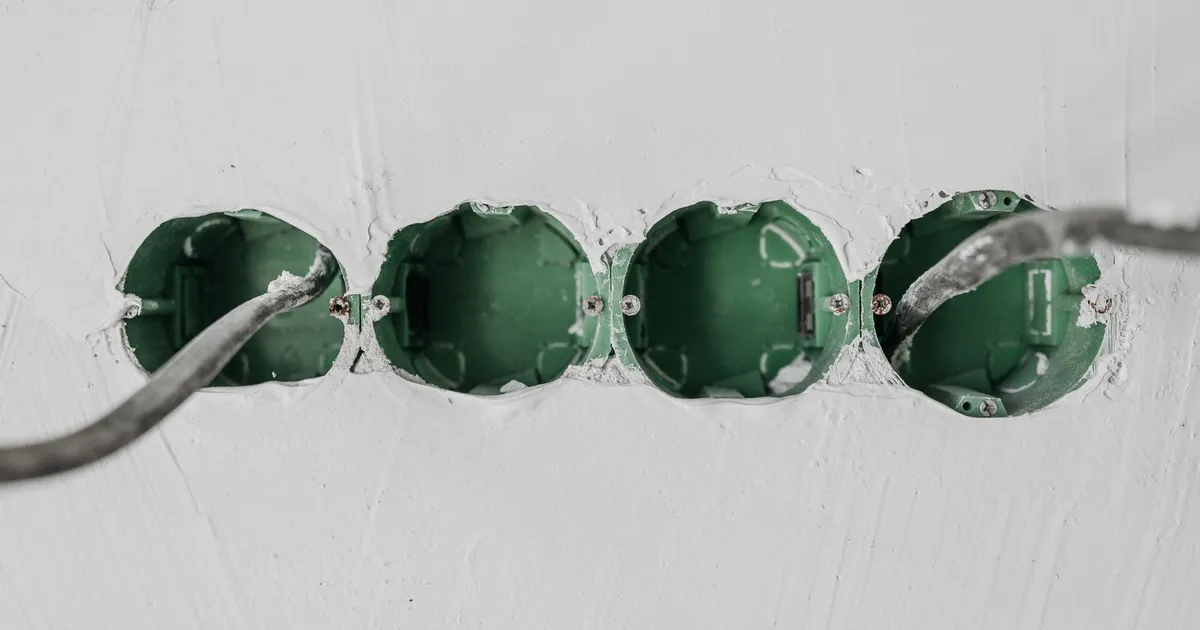
Andrew Winder spent the early years of his electrical apprenticeship drilling into asbestos-lined switchboards in Southland homes. He was never warned. Now 49, he is facing terminal sarcomatoid mesothelioma, an aggressive cancer of the lung lining, and he is unequivocal about where it came from: “in Southland there’s hundreds of asbestos-lined electrical panels.” He calls the diagnosis “definitely preventable.”
What should worry every trades business owner is not that Winder was careless. It is that the system around him was. Despite 15 years with a company that held weekly health and safety meetings, asbestos was never discussed. His supervisors ran on a “common sense” approach. “When you’re registered, you’re basically left on your own,” Winder said. “If you don’t have that awareness that’s been instilled in the training, then how do you know what has asbestos and what doesn’t?”
He is now calling for a standardised asbestos training module embedded across all trades qualifications. On current evidence, he has a point.
The number that refuses to fall
Asbestos remains the number one cause of work-related death in New Zealand, killing about 220 people a year. That figure has barely moved. WorkSafe’s 2022 statement carried the same 220 number, and the 2016 Approved Code of Practice recorded roughly 170 asbestos deaths in 2010. The toll has risen, not fallen.
That 2016 code set a goal of contributing to a 50% reduction in asbestos-related disease by 2040. At the current trajectory, that target is fantasy.
The real risk is the trades who don’t know
The uncomfortable insight from a sector review commissioned by the NZ Demolition and Asbestos Association is that trained removalists are not the problem. The problem is everyone else. Reviewer Mike Cosman found WorkSafe receives on average one asbestos notification a week from removalists but described this as “likely to be a gross under-estimate of the true picture,” because it excludes the electricians, plumbers and builders who hit asbestos without knowing.
Awareness across the wider construction sector, the review found, is “still generally low.” Worse, Cosman identified a structural incentive: training costs plus high worker turnover create “strong pressure to minimise these costs in a way that may lead to tick the box compliance rather than delivering competent and safe workers.” That is a direct warning to any PCBU tempted to treat asbestos training as a formality.
What the law actually demands of you now
This is not optional. Under the Health and Safety at Work (Asbestos) Regulations 2016, every PCBU, sole traders included, working in or renovating buildings built before 1 January 2000 must identify asbestos-containing material, maintain an asbestos management plan, ensure workers are trained, and stay under the airborne standard. WorkSafe is explicit that pre-2000 buildings are likely to contain asbestos, which covers the overwhelming majority of the country’s building stock.
And the risk is not confined to old villas. Pacific Door Systems discovered asbestos in imported fire door cores supplied into multiple multimillion-dollar commercial projects, including the 104 fire doors at the $683 million Christchurch stadium. Workers had been drilling and cutting into them before the issue was identified. As asbestos expert Chris Saunders put it, “there is no known safe level of exposure to asbestos, and it can kill people decades after inhalation.”
The regulation is being weakened, not strengthened
Here is the part that should sharpen the mind. In November 2025, RNZ reported the government moving to revoke the asbestos Approved Code of Practice and replace it with mere guidance. Work safety lecturer Dr Chris Peace warned in November 2025 that this would “downgrade this highest level of protection to mere guidance documents.” The Demolition and Asbestos Association’s then-secretary Terry Coleman said “to dumb it down to a suggested good practice guidelines could be problematic.”
WorkSafe’s April 2026 guidance refresh did not settle the question. The new good practice guidelines are described as only later becoming updated codes “following health and safety reforms.” For businesses, ambiguity about the legal standard cuts both ways, but it does nothing to reassure a tradie deciding whether that panel is safe to drill.
Don’t assume ACC catches you
One final myth worth killing. ACC cover for work-related mesothelioma can be substantial, but it is not automatic. In a 2025 reassessment, a drainlayer and panel beater lost his fight for cover when medical evidence could not tie his lung disease to work. With a latency period of 10 to 50 years, causation is genuinely hard to prove, which means PCBUs facing WorkSafe enforcement or civil claims cannot assume the state will absorb the bill.
Winder’s message is not complicated and it is not expensive to act on. Embed asbestos awareness in trade training, run a real management plan, and stop treating pre-2000 buildings as safe until proven otherwise. The 220 figure will keep repeating until businesses treat it as a live risk rather than a historical one.
Sources
- Electrician Andrew Winder’s plea for asbestos-awareness training in trades as he faces terminal mesothelioma (2026-08-30)
- Asbestos-related cancer ‘preventable’
- Updated asbestos guidance now available for New Zealand businesses and workers (2026-04-17)
- Asbestos experts fear government move will see ‘watered-down’ safety system (2025-11-01)
- Management and Removal of Asbestos – Approved Code of Practice (2016-09-26)
- More must be done to manage asbestos risks – WorkSafe (2022-11-25)
- Managing asbestos in your building or workplace
- Review finds number of workers exposed to asbestos grossly underestimated
- Asbestos contamination in fire doors: Expert says there’s no known safe amount
- Drainlayer, panel beater loses fight for cover from ACC for lung disease
Join the discussion
Add useful context, ask a good question, or challenge an idea — keep it specific and respectful.