

The promise and the fine print
A day after National pledged no new taxes on working people, small businesses or pensioners if re-elected in November, Prime Minister Christopher Luxon sat down on Newstalk ZB’s Mike Hosking Breakfast and confirmed fuel excise, an accommodation levy and bank tax settings are all areas the party could consider for new or increased taxes.
No decisions have been made, Luxon stressed. But the acknowledgement is the story. Each of these three mechanisms sits neatly outside the protected categories in the promise, and each carries direct business cost. The pledge is real in the sense Luxon intends: no capital gains tax, no wealth tax, no structural change to income or corporate rates. It is also narrower than the headline suggests.
Escape hatch one, the fuel excise
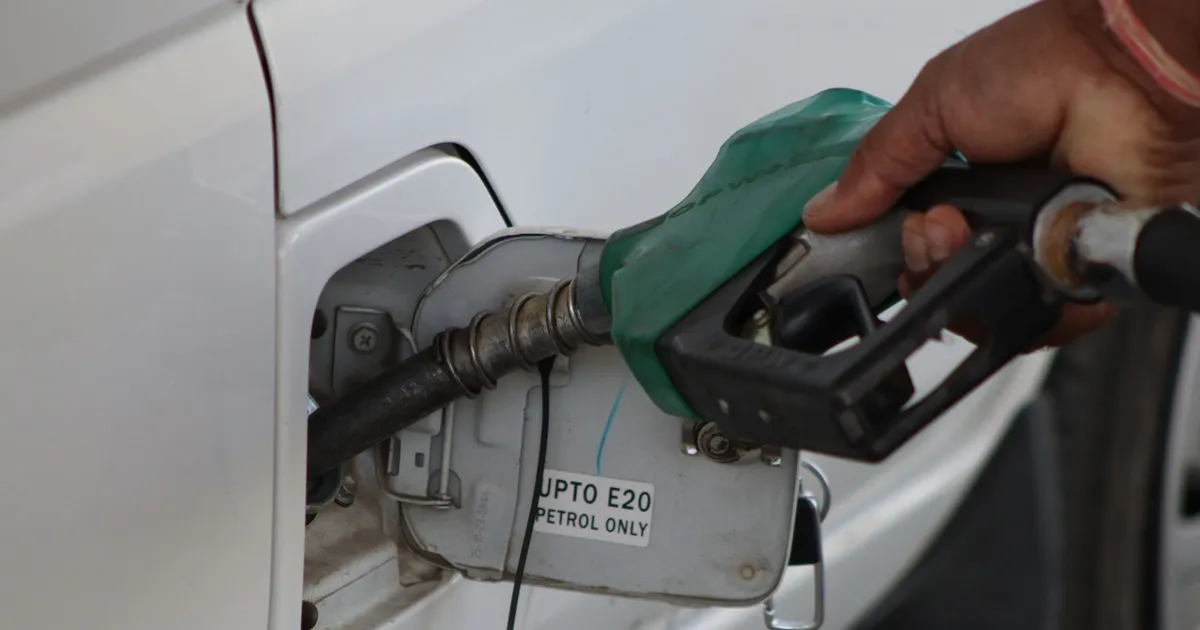
Fuel excise has not risen since 2020, meaning six years of inflation have quietly eroded its real value. Luxon said legislated increases would likely be delayed but conceded that “somewhere in the next term fuel excise would have to increase in order to fund roading programmes.”
He framed it as a “well-established existing mechanism.” That is accurate. It is also not cost-neutral for the businesses that pay it. Fuel excise flows straight into the operating costs of logistics firms, transport operators, tradies and rural businesses, essentially anyone who moves goods or people. A catch-up increase after six flat years could be material, and it will land on input costs, not the personal tax bill.
Escape hatch two, the tourist levy
National has said it will look at an accommodation or visitor levy in Auckland in 2027. Again, Luxon characterised it as a well-established tool, and internationally that is true. Making visitors contribute to city infrastructure is a defensible policy rationale.
But the incidence question, whether operators absorb the cost or pass it to guests, will decide the business impact, and that detail has not been designed. For Auckland hospitality and accommodation operators still rebuilding visitor numbers, a levy adds friction to bookings at exactly the wrong moment.
Escape hatch three, already law
The bank levy is the most concrete of the three because it already exists. Budget 2026 introduced a prudential levy on banks, non-bank deposit takers, insurers and other financial market participants, estimated to recover $209 million over four years, returned to government via a higher Reserve Bank dividend.
Finance Minister Nicola Willis framed it as normal, saying “New Zealand stands out for not having made banks and others pay for those services, so we’re fixing that,” and noting it was consistent with practice in Australia, Canada and the UK. ACT leader David Seymour offered qualified support, saying he [“strongly believe[d] the Government has a position we don’t introduce new taxes beyond what is fair and already applied to others.”](https://www.1news.co.nz/2026/05/28/budget-2026-new-tax-changes-as-nz-to-return-to-surplus-sooner/)
The pass-through argument is credible. Banks routinely price regulatory costs into their products, so the levy adds to the cost of credit, deposits and insurance across the economy. Spread across four years and the whole sector it is not enormous, but it stacks onto business borrowing at a time when credit conditions matter.
The arithmetic behind the slogans
The reason the escape hatches exist is fiscal. National has recommitted to its budget responsibility rules: surplus by 2028/29, debt to 40% of GDP and core Crown spending to 30% of GDP. The forecast $2.6 billion surplus for 2028/29 would be the first in a decade. Hitting those targets while leaving income and corporate tax untouched means finding revenue somewhere, and that is precisely what these three mechanisms do.
The contrast with the opposition is genuine. Luxon listed eight new taxes proposed by opposition parties, from capital gains and wealth taxes to land, inheritance and gift taxes, warning a wealth or capital gains tax “will just absolutely, absolutely wreck the economy.” For business owners weighing up ambitious opposition tax agendas, that is a meaningful difference and worth acknowledging plainly.
What business should watch
The promise is honest on its own terms. National almost certainly won’t raise taxes on workers or restructure the company tax base. The real question for the next term is how much of the fiscal gap gets filled through indirect levers instead, and how much of that cost reaches businesses as higher fuel, higher financial services costs and levies on hospitality rather than as a line on a tax return. The slogan protects the categories that poll well. The bill still arrives, just wearing a different label.
Join the discussion
Add useful context, ask a good question, or challenge an idea — keep it specific and respectful.