

The invisible line item on your invoice
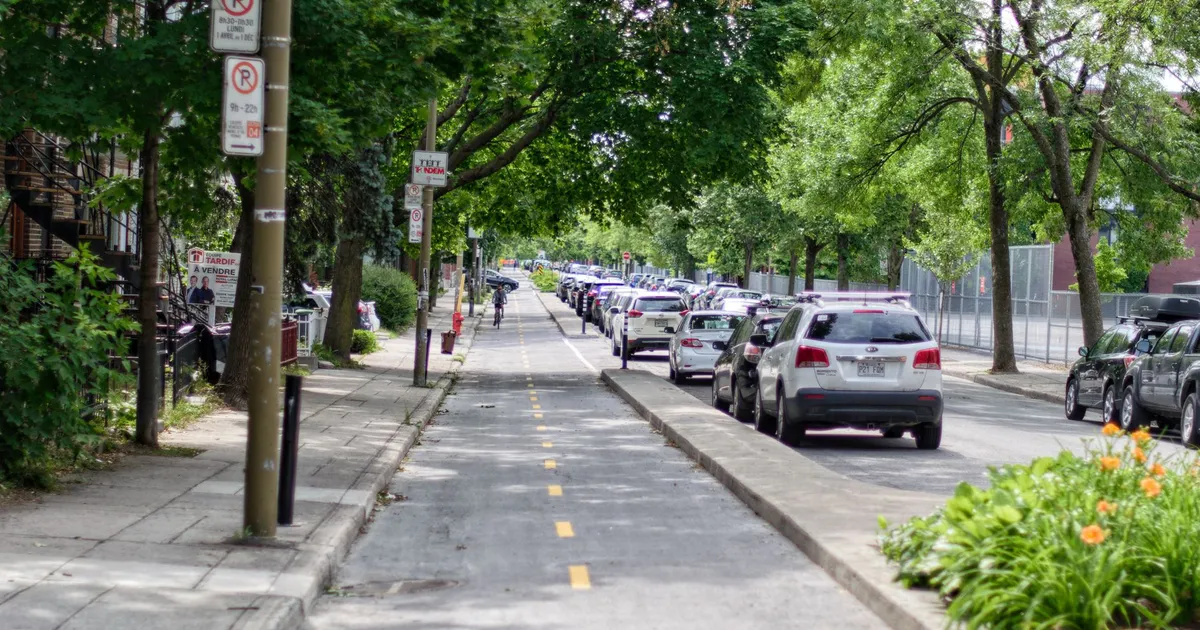
When a council removes parking to make room for a cycleway, the press release frames it as a public good. What nobody puts in the business case is who pays for the lost access. According to 1News, a Wellington plumber named Dan now charges up to 30% more for jobs on streets with cycleways and no parking, after one Karori job ran 25 to 30% longer than normal.
“The job just took at least another 25-30 percent longer, and ultimately the homeowner ends up having to pay for that,” Dan told 1News. He tells clients upfront: “this is just going to slow us down heaps and ultimately, you’re going to have to pay for this.”
This is the part urban design decisions rarely account for. The economic cost of removing parking doesn’t disappear when the parks do. It shifts onto the plumbers, sparkies, builders and delivery drivers who still have to reach the property, and onto the customers who foot their bills.
Aro Street shows the real trade-off
Wellington’s Aro Street is the case study. Over three years, 18 residents’ parks and 52 coupon car parks were removed and replaced with an uphill cycleway. In the past six months, only 3% of total traffic on the street has been cyclists, roughly 150 people travelling downhill each day.
The consultation numbers deserve scrutiny too. The 2022 parking-change proposal drew 56% support, but only 47% of respondents were locals. The people who actually live with the consequences were outvoted by people who don’t.
And the consequences are real. Residents Sue Tait and Brennan Wood paid $50 a week to rent two parks 100 metres away just to get renovation work done. “We paid an exorbitant fee for two parks just up in the Philosophy Building, 50 bucks a week, but even that was a tad inconvenient,” Tait said. Three of four houses on one block have disabled residents, two with cancer. The closest mobility park to Tait’s home is 200 metres away.
“It’s not that I’m anti-cyclist at all,” Tait said. “It’s that they have been given a priority completely ignoring the mixed community that we live in.”
Tradies vote with their quotes
The market response is rational, and it’s bad news for anyone living on a difficult street. One Wellington builder told 1News access now factors into which jobs he takes: “It can also be: how steep is the access to the houses? If you have a choice between jobs, you’re not going to choose a hard one over an easier one.” Professional home organiser Carrie Largerstedt, owner of Curate Home, described carrying up to ten heavy boxes two blocks or parking on the footpath with hazard lights on. “There is a real lack of good planning around how to make city streets more accessible for cyclists and pedestrians while remaining usable for tradies and the service people who need to look after the community.”
When tradies price in the friction, homeowners on cycleway streets face higher quotes or fewer bidders. Both are a hidden tax on property in the exact suburbs councils claim to be improving.
The numbers councils skip
Nelson is walking straight into the same fight. Its planned East-West Cycleway could remove around 200 car parks, potentially 55% of 384 spaces at the highest standard. One councillor warned there “will be a revolution.” Mayor Nick Smith said he wants “no net loss of parking in the central city to support its revitalisation.”
There is credible economic weight behind the concern. The Ministry of Transport’s 2023 parking study estimated the economic cost of parking at $14.7 billion a year, but the same study found 99% of car trips don’t end in parking charges and 94% of work trips use free parking. In other words, the network runs on the assumption that access is available. Remove it and the cost lands somewhere, usually on the service economy. Back in 2022, Transporting New Zealand’s then-chief executive Nick Leggett noted roads carry 93% of freight and that last-kilometre urban delivery is essential to businesses and consumers.
What this means
Nobody serious is arguing against cycleways in principle. The argument is about honest accounting. When a design decision removes access, someone pays for that access anyway, in higher quotes, longer jobs, weekly parking rentals and service businesses quietly declining hard-to-reach work. Councils that book cycleways as pure benefit while pushing the cost onto tradies and homeowners aren’t saving money. They’re just moving it off their own ledger and onto yours.