

Charged twice to reach your own town centre
When you buy into a growth area, the pitch is simple. New roads, new shops, new jobs, all paid for through the price of getting in. Residents and businesses at Papamoa East, Tauranga, are discovering the fine print says otherwise, and they are revolting against a new toll on a road serving a multi-billion-dollar, 11,000-home development.
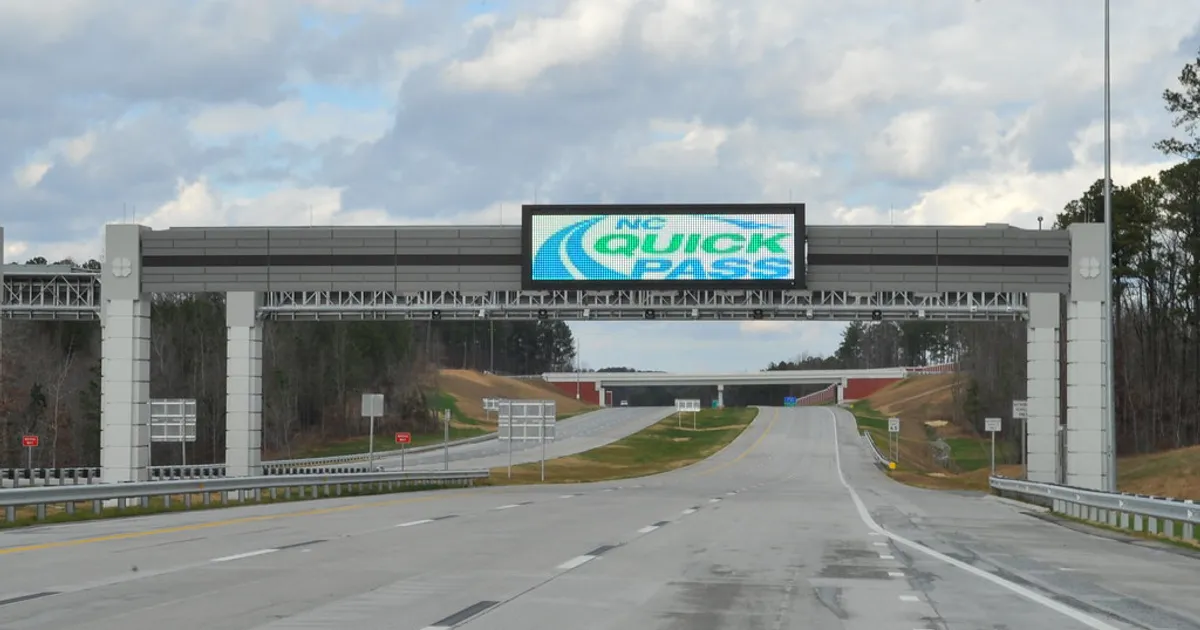
The mechanics are what sting. The Papamoa East Interchange opened in 2026 after four years of work, delivered early and under budget at $90 million, jointly funded by Tauranga City Council and NZTA. From late 2026, NZTA adds a second tolling gantry on the Tauranga Eastern Link. A driver who exits at Papamoa East to shop, then rejoins the TEL, pays $1.10 plus $2.30, a total of $3.40, more than a full through-trip. You are charged extra for stopping locally.
The anchor investment now facing a self-inflicted wound
The sharpest illustration sits at The Sands. Loretta and Brian Johnstone are relocating their long-standing Mitre 10 to a new Mitre 10 MEGA there, a major investment expected to create more than 80 jobs and anchor a growing town centre. The petition against the toll argues the Papamoa interchange is the only off-ramp on the entire TEL that will be tolled anywhere in New Zealand.
That is a material commercial risk. Loyal customers have signalled they may not follow the store, and staff may drive through Te Puke to dodge paying twice a day. The access economics of an anchor development were changed after the investment decision was made. That is precisely the exposure a business should not have to price when it commits to a greenfield site the government wants developed.
The admission buried in the consultation result
NZTA received 3,429 submissions and acknowledged “low levels of support”. The board recommended proceeding anyway, and the Minister of Transport and Cabinet approved it. The justification matters more than the override. NZTA said tolling provided additional revenue for major infrastructure as the National Land Transport Fund came under increasing pressure.
Read that plainly. This toll is not a clean user-pays charge for a specific new road. It is a revenue measure to plug a system-wide funding shortfall, dressed as fairness. The TEL itself tells the story. It opened in 2015 at $455 million, and roughly $79 million in tolls has been collected since, most of it eaten by debt and interest. The gap between what was built and what has been recovered is why NZTA keeps reaching back into the network.
An $11 billion hole nobody agreed to fund
The Papamoa toll is a symptom, not the disease. A November 2025 government analysis found councils projected $19.5 billion in growth capital expenditure but expected to recover only $8.5 billion, an $11 billion gap. The Infrastructure Commission’s 2024 research Paying it back put a number on Tauranga specifically. Development contributions would have needed to be almost six times higher to make growth pay for growth. Its worked example showed $100 million of growth infrastructure leveraging $960 million of development, yet generating only $58 million in rates over 20 years before maintenance and finance costs.
Growth simply does not fund itself under the current tools. So the shortfall gets recovered wherever it can be, retrospectively, from people who already bought in.
The model that does it properly
There is a better way already running. The Infrastructure Funding and Financing Act 2020 lets a special purpose vehicle raise private capital and recover it through per-property levies. The Te Awa Lakes project near Hamilton is doing exactly that, a $50 million private package funding water and roading, with levies disclosed upfront and totalling up to $143 million over 30 years. Costs are known before you buy. That is the opposite of a gantry appearing after your store is built.
NBR analyst Tim Hunter warned in February 2026 that the government’s push for new toll revenue risked policy mistakes driven more by revenue needs than sound planning.
Development levy legislation is due in 2026 with enactment in early 2027, and the IFF model is still bedding in. Until that plumbing is fixed, any business making a long-term location call in a high-growth area should assume the access economics can be rewritten after they commit. Papamoa East is the warning shot.
Sources
- Stuff: Not fair, residents revolt against city’s latest toll road (2026-07-06)
- RNZ: Fairness backlash over new SH2 Papamoa East Interchange toll (2026-04-01)
- NZ Herald: Papamoa East interchange toll plan sparks petition from Mitre 10 owner
- RNZ: New toll point for SH2 near Papamoa, what drivers will pay
- Supplementary Analysis Report: Improving Local Government Infrastructure Funding Settings (2025-11-05)
- Infrastructure Funding and Financing (Te Awa Lakes Project Levy) Order 2026 (2026)