

From $120 to $72 in four months
The oil shock that hammered New Zealand cost structures this year is unwinding fast. Brent crude closed at US$71.95 a barrel on Friday 4 July, a four-month low and the sixth weekly fall since May. That is a long way from the near-US$120 peak reached in March, and it takes prices back to roughly where they sat before US and Israeli strikes on Iran effectively closed the Strait of Hormuz on 28 February, choking off a route that normally carries about a fifth of the world’s oil.
The supply side is now leaning the other way. On Sunday, OPEC+ agreed to lift combined output by 188,000 barrels a day in August – the fifth consecutive monthly increase. Analysts are increasingly talking about a potential supply glut that could keep prices suppressed, and concerns about oil driving inflation are easing rapidly.
What the shock actually did to businesses
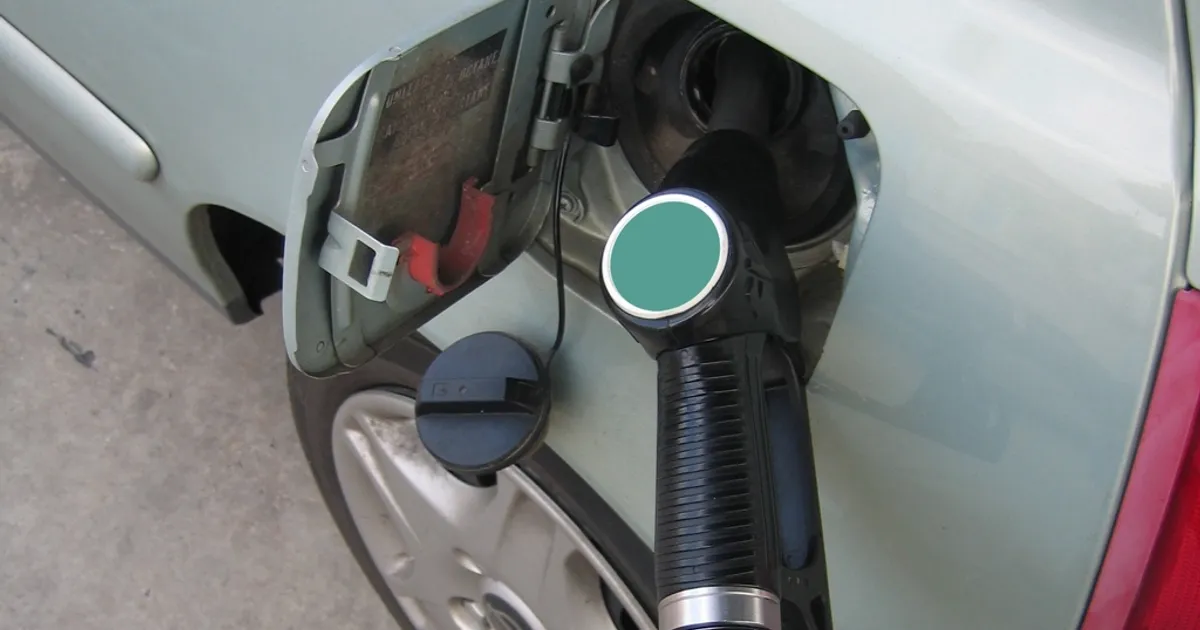
The cost hit was not abstract. Commerce Commission monitoring showed that by early May, diesel retail prices had jumped 76% from a pre-conflict 188 cents a litre to 331 cents, while regular 91 rose 28% to 330 cents. Diesel is the number that matters most for freight, contracting and logistics, and a 76% spike does not stay contained in a fuel invoice.
It landed straight in the margin gap. Treasury data showed producer input prices rising 1.4% against output prices of just 0.8% in the March quarter, with petrol, diesel and transport equipment identified as key cost drivers. In plain terms, businesses were paying more to operate than they could pass on. Fuel makes up 3.9% of the CPI basket, and petrol alone contributed 13.4% of the 0.9% overall rise in the March quarter. Treasury forecast inflation to peak at 4.0% in the June quarter, with fuel effects adding a full percentage point directly and another 0.25 points through indirect pass-through.
The reversal, and why it matters at the pump
A mid-June interim peace deal reopened the Strait and triggered the slide. By late June, 91 octane was averaging around $3 a litre nationally, down from a $3.30 peak. The AA’s Terry Collins told 1News that motorists could see petrol drop as low as $2.50 on special days if the ceasefire holds. Westpac chief economist Kelly Eckhold estimated 91 could reach $2.80 to $2.90 a litre, with prices having fallen further since.
That feeds directly into the growth story. Westpac’s 29 June report upgraded its 2026 GDP forecast to 2.0% from 1.5%, and 2027 to 2.9%, noting the change reflected “a bringing forward of the recovery that had previously been delayed by the oil shock.”
The Reserve Bank now has room to wait
The Reserve Bank held the OCR at 2.25% through the shock. The crucial line for anyone servicing debt is that fuel is now materially below the levels the RBNZ assumed in its May forecasts, which weakens the case for a near-term hike. Westpac’s 22 June analysis said falling fuel gave the RBNZ “more breathing space” and that the bank might become “circumspect about how quickly rates need to rise” beyond September. The OCR call is now genuinely split among analysts.
Don’t confuse the pump with your freight contract
Here is the planning trap. The relief markets are pricing today will not show up in your logistics costs at the same speed. Infometrics warned that diesel price spikes take time to flow through to broader cost indices – and the same lag runs in reverse. Contracted freight rates and input costs move on their own timetable. Stats NZ says the full GDP impact of the shock won’t be visible until the June quarter data lands on 17 September, and the recovery will lag the same way.
The risk hasn’t vanished either. Iran’s military command warned on 3 July that tankers must use approved routes through the Strait or face a “forceful response”, and S&P Global doesn’t expect Gulf production to fully rebound until at least Q1 2027. BNZ’s Mike Jones flagged in June that reviving the 500-plus tankers stranded in the Strait depends on shipping firms’ risk appetite. And MBIE’s weekly importer margin data has been suspended since 13 March, cutting transparency just when it is most useful.
The smart move is to bank the confidence, not the cost saving. Cheaper oil has bought a genuine reprieve and probably delayed a rate hike. But until it shows up in your contracts and the tankers are moving freely again, treat it as breathing room rather than a windfall.
Sources
- 1News: Boost to oil production agreed as fuel prices continue to fall (2026-07-05)
- Newsroom: OCR decision split as global oil prices tumble to four-month low (2026-07-06)
- 1News: Iran peace deal could see petrol under $3 a litre – economist (2026-06-15)
- 1News: Motorists could soon see petrol at $2.50 a litre – AA (2026-06-30)
- RNZ: When could Iran deal bring petrol prices down? (2026-06-15)
- Commerce Commission: Fuel Price Monitoring – 07 May 2026 (2026-05-07)
- Stats NZ: Economic impacts on New Zealand from conflict in the Middle East (2026-06-02)
- Stats NZ: Consumers price index March 2026 quarter (2026-04-21)
- Treasury: Fortnightly Economic Update – 29 May 2026 (2026-05-29)
- Westpac Economics: RBNZ to scale back OCR hikes as energy prices recede (2026-06-29)
- Westpac Economics: July RBNZ pause more likely following ceasefire (2026-06-22)
- Infometrics: Diesel price spike yet to be captured in cost data (2026-05)