

The window of optimism just slammed shut
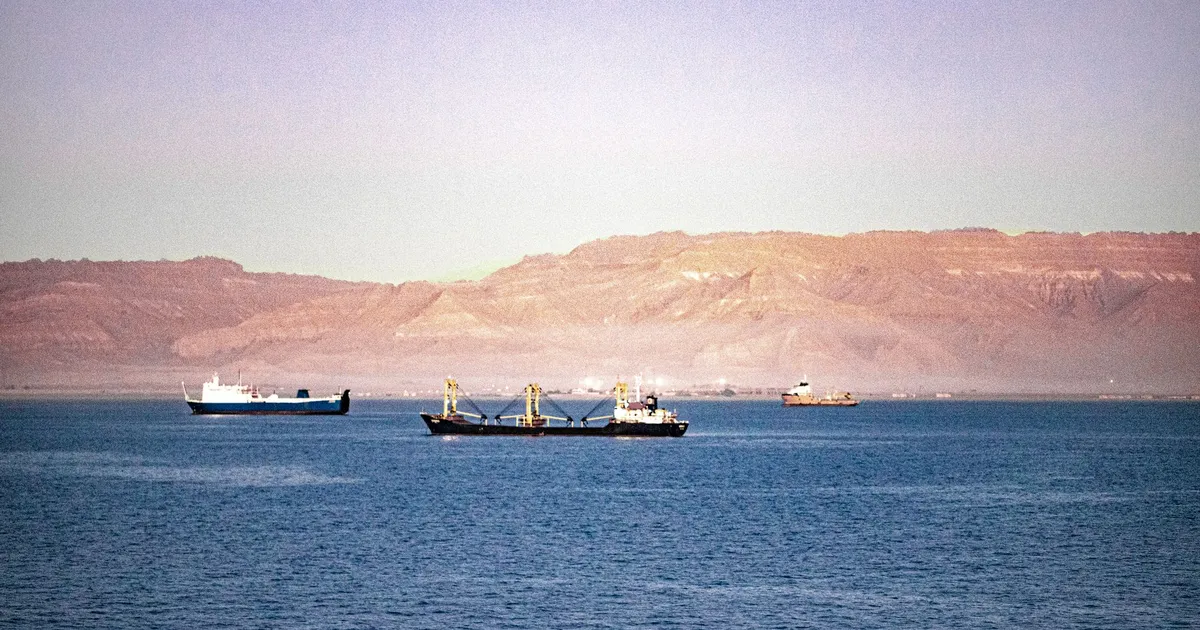
Over the weekend of 28 June, a tanker was struck by a projectile in the Strait of Hormuz, sustaining bridge damage though all crew were reported safe. It followed a separate attack on a cargo ship two days earlier, and both came after the US and Iran traded strikes, the worst escalation since the two signed an interim peace deal roughly a fortnight before.
This is not sabre-rattling that stays offshore. Iran’s Revolutionary Guards are now firing warning shots at vessels and requiring ships to seek Iranian permits before crossing the strait, with the longer-term aim of charging transit fees. US Vice President JD Vance posted on X that “violence will be met with violence.” For any New Zealand business that imports fuel, inputs or finished goods, the brief window of falling oil prices as ships began exiting the strait has closed.
Why a small trading nation has no workaround
New Zealand has no domestic refining. When Marsden Point converted to an import terminal in 2022, the country became entirely dependent on Asian refineries. More than 90% of our petroleum imports come from South Korea, Singapore, Malaysia and Japan, and those four economies source over 75% of their crude from the Persian Gulf. The strait itself carries about 20% of global oil supply. There is no alternative route and no local buffer.
The damage already booked
The Commerce Commission’s 21 May fuel monitoring report shows the hit landing before this latest re-escalation. Brent crude was up 44% from its late-February baseline, regular 91 refined product costs were up 35% (adding 75 cents a litre), and average retail diesel was up 70%, adding 131 cents a litre. For anyone running a fleet, a cold store, a pump or a tractor, those are not abstractions.
Freight is worse. Spot rates on key routes spiked 30% in the week to 25 June. Brent Falvey, chair of the Council of Cargo Owners, said the market had “exploded” on the China-Europe trade, and warned that locked-in contracts offer only partial cover: “it is the bunker adjustment and additional fuel charges that are really hurting.” The structural reason is brutal: around 2,500 ships, roughly 10% of the global merchant fleet, have been stranded in the Gulf since February, with only 30 to 50 exiting daily. Add continued Suez avoidance and Cape of Good Hope detours of six extra weeks, and you get a severe vessel shortage. One major NZ meat exporter already sees freight running at about 4% of cost of goods sold, a figure that climbs with every spot-rate jump.
The fertiliser sleeper and the export collapse
Fuel grabs the headlines, but the input story is quieter and just as damaging. NZ fertiliser imports from the Middle East fell 27% to $33 million in March-April while global urea prices ran 40 to 60% above pre-crisis levels. ASB senior economist Kim Mundy warned in May that fuel is “only one piece of the puzzle”, with the shock spreading through fertiliser, petrochemicals, packaging and freight.
The revenue side is grim too. NZ exports to the Gulf fell 37% to $397 million in March-April versus a year earlier, with meat down 59%, horticulture down 79% and forestry down 84%. Business confidence slid from net 39% expecting improvement at the end of 2025 to net 1% by April, while net 43% of firms intended to raise prices, well above the 31% long-run average.
Few sectors escape, and recovery is slow
ASB found that roughly a quarter of the economy has high or very high exposure to at least two key disruptions, with agriculture, manufacturing, construction and transport most exposed. Mundy’s assessment was that “few sectors likely to escape entirely.” Treasury’s 6 March situation report estimated sustained high oil prices could add about 0.3 percentage points to inflation across the March and June quarters. Given the 28 June flare-up, treat that as a floor.
The practical lesson is that physical blockade isn’t required to hurt you. When insurers lift premiums or withdraw cover, shipping turns uneconomic whether or not the strait is technically open. And even a durable ceasefire tomorrow doesn’t reset quickly, because rerouted vessels must clear existing contracts before returning to Gulf lanes. The Council of Cargo Owners’ sharpest warning is that today’s high spot rates risk being locked into next season’s freight contracts. Review your exposure across suppliers, freight, packaging and demand now. Anyone pricing a fast return to normal is betting against the evidence.
Sources
- Tensions rise again as US and Iran trade strikes (2026-06-28)
- ‘Cost shock’: Strait of Hormuz closure hits more than fuel prices – ASB (2026-05-25)
- War delivers new blow to shipping costs (2026-06-25)
- Fuel Price Monitoring – 21 May 2026 (2026-05-21)
- The Iran conflict: New Zealand’s economic and merchandise trade data (2026-06-01)
- Media briefing – Economic Impacts of the Middle East Conflict – 23 April 2026 (2026-04-23)
- Middle East developments Treasury SITREP – 6 March 2026 (2026-03-06)