

A project that didn’t slip through the cracks
Most fast-track cases are about projects stuck in a slow, expensive system. Ōhoka is different, and that is exactly why it matters.
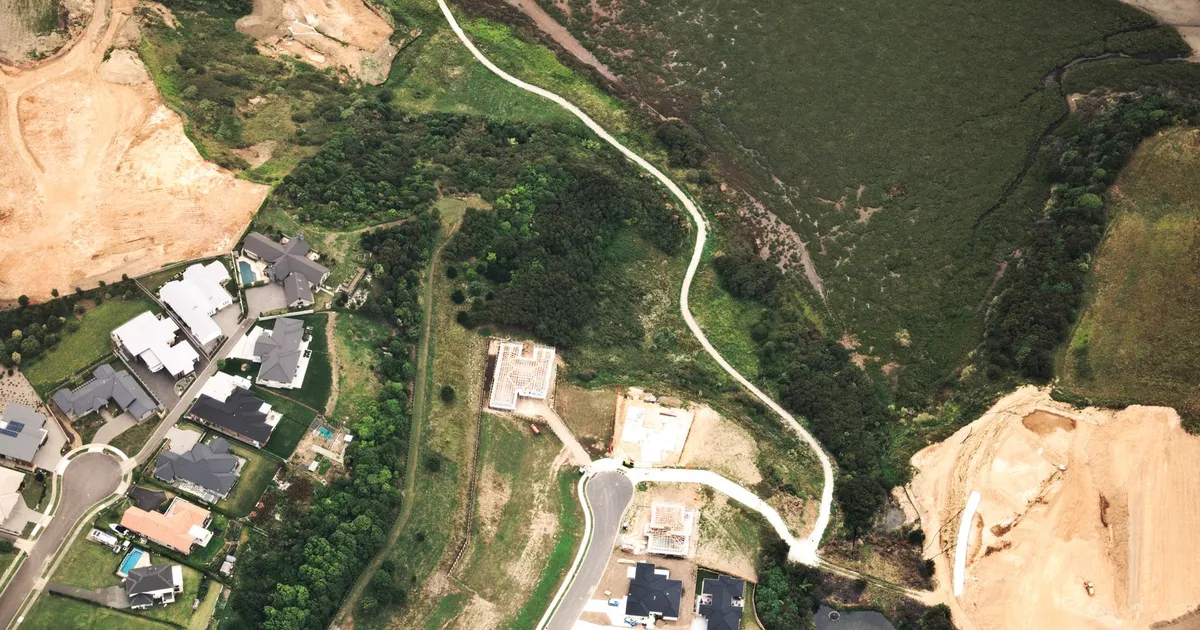
Carter Group, described as Christchurch’s biggest development company, wants to build an 850-home subdivision at Ōhoka, a small rural settlement about 30 minutes north of Christchurch in the Waimakariri District. The proposal has already been considered, heard, and rejected twice. Independent commissioners recommended the council decline the private plan change in 2023, and the council accepted that advice. A second attempt through the proposed district plan process was declined too.
Now it is back for a third round, this time under a regime built specifically to override local objection. That makes it a clean test of what fast-track actually does.
What fast-track was built to do
The Fast-track Approvals Act 2024 became law in December 2024, creating a ‘one-stop shop’ pathway for projects of regional or national significance. Crucially, expert panels, not councils, decide applications. The Ōhoka subdivision is one of 149 projects listed in the Act that can apply without ministerial referral.
The regime is moving. As of a joint ministerial statement on 15 May 2026, 23 projects had been approved by expert panels, with another 46 progressing and an average substantive decision time of 118 working days.
The case for that speed is hard to argue with. In 2024, then-EMA advocacy head Alan McDonald cited Productivity Commission data showing the cost of consenting infrastructure had risen 70% since 2014, with timeframes up by as much as 150% and the country spending $1.3 billion a year on consenting. In December 2025, BusinessNZ chief executive Katherine Rich called the RMA replacement bills transformational, warning New Zealand “cannot afford to keep saying no” to housing and infrastructure.
The council’s principled line
Waimakariri Mayor Dan Gordon is not arguing slow process. He is arguing that a decided matter should stay decided. The proposal, he told Stuff, “has been turned down on multiple occasions”, and the council will oppose it again.
His core objection is about process integrity, not protectionism. Projects “already been decided on and declined” through district plans or RMA processes, he argues, should not be eligible for fast-track at all.
The residents’ case is similarly measured. Róisín Magee, who has lived in Ōhoka for nearly nine years, told Stuff the issue is scale and location, not development in principle. There is “no public transport in the settlement” and a long-time resident describes the site as “basically swamp country” with poor drainage and natural springs. One resident replaced floorboards after floodwater entered his property in 2023.
A second front, and a backbencher’s warning
Ōhoka is not the only fast-track flashpoint in the district. Developer Wolfbrook bought the 77-hectare Pegasus Golf Course in a mortgagee sale for between $6 and $7 million and has confirmed it will seek fast-track approval to rezone the land. More than 15,000 people have signed a petition against it.
The politically significant detail is that Waimakariri MP Matt Doocey, a government backbencher, publicly opposes the Pegasus application. His framing is careful but pointed: he is “not a Fast Track fundamentalist”, and sees the tool as being about speeding up consenting rather than reversing local refusals. That is the kind of pressure that has historically caused housing reform to quietly retreat.
Why the decision matters to anyone pricing supply risk
For developers, investors and anyone modelling housing supply, the outcome is binary and consequential. If an expert panel approves Ōhoka over the council’s objection, fast-track has genuine teeth and a decided refusal is no longer the end of the road. If the panel declines it on the same grounds the council did, the regime is a more expensive version of the system it was meant to replace.
The sharpest framing of the stakes comes from the reform side itself. In 2025, Infrastructure New Zealand chief executive Nick Leggett warned that celebrating new legislation is easy, but “we’ll only know when it works”. Waimakariri in mid-2026 is where that question gets answered. The panels are about to show whether a national supply mandate can actually override an entrenched local veto, or whether, like the RMA before it, fast-track blinks.
Sources
- ‘It would be completely destroyed’: Villagers face third battle over 850-home subdivision (2026-06-28)
- Pegasus township hopes to buy back golf course from developer Wolfbrook (2026-06-03)
- Developer confirms fast-track bid for golf course housing plan (2026-06-25)
- Fast-track approvals process | Ministry for the Environment (2025-02-07)
- ‘Transformational reform’ to RMA arrives (2025-12-09)
- RMA Reform: Ambition, Tension and the Battle for Consistency (2025-07-22)
- New Fast-tracking Consenting Regime Good News For Business Says EMA (2024-03)
- Waimakariri mayor: Rejected projects should not be fast-tracked
- Property Insider: Fast-track approvals see 14 major projects pushed through under coalition scheme