

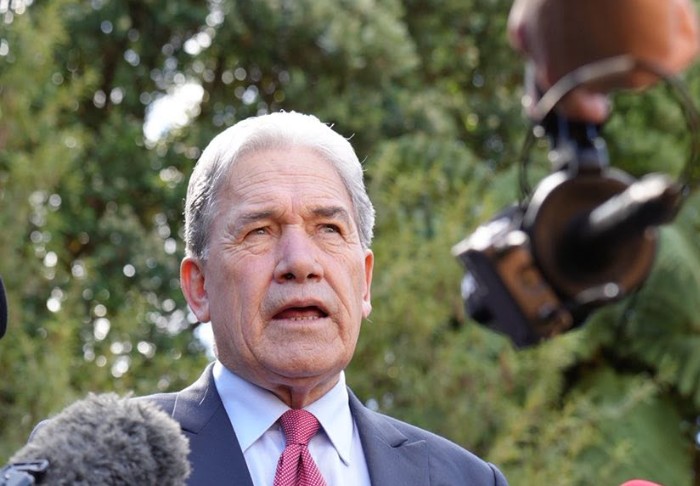
Winston Peters wants the racing industry to stop squabbling among itself and finally get its act together, and he’s making it clear that he’s not about to ride to the rescue with a pile of new legislation to bail them out.
The Minister for Racing’s message comes after the TAB New Zealand Racing Advisory Committee handed down its report laying out a wide-ranging set of proposed reforms for the sector. Peters gave credit where it’s due, thanking the committee for the considerable time and expertise that went into the work. But the real takeaway from the report, as he sees it, is uncomfortable: the industry’s key organisations simply aren’t on the same page.
“Everyone involved in racing wants a strong and sustainable future for the industry,” Peters says. “The question now is how the key stakeholders in racing work together to achieve that.”
That’s a fair question and one that cuts right to the heart of an industry that has spent years bickering over turf instead of pulling in the same direction. Peters isn’t interested in Wellington swooping in to sort it out for them.
“For reform to succeed, it cannot be driven in isolation. It must be built on collaboration, shared understandings, and a commitment from all parts of the industry to move forward together,” he says.
With a general election on the horizon, Peters has been upfront that sweeping legislative reform simply isn’t on the government’s immediate agenda, and frankly, that’s the kind of straight talk the industry needs to hear. Rather than handing out shortcuts, he’s telling TAB New Zealand and the racing codes to roll up their sleeves and sort out their differences themselves, starting now.
“The expectation is simple: the Advisory Committee, TAB NZ, New Zealand Thoroughbred Racing and Harness Racing New Zealand must engage closely, in good faith, and develop a cohesive pathway forward,” Peters says.
Peters was equally blunt that government intervention should be treated as a last resort, not a first response. The tools to fix a good chunk of what’s broken already exist under current law; the industry just needs the gumption to use them.
“There is more that can be done within existing settings. The industry must first demonstrate its ability to act collectively and make progress before seeking further legislative change,” he says.
It’s a no-nonsense stance and one that puts the ball squarely back in the industry’s court: get your house in order, show you can actually work together, and then come back with a united front.
“The opportunity is there for the industry to collaborate, align its priorities, and present a united case for the future,” Peters says.