

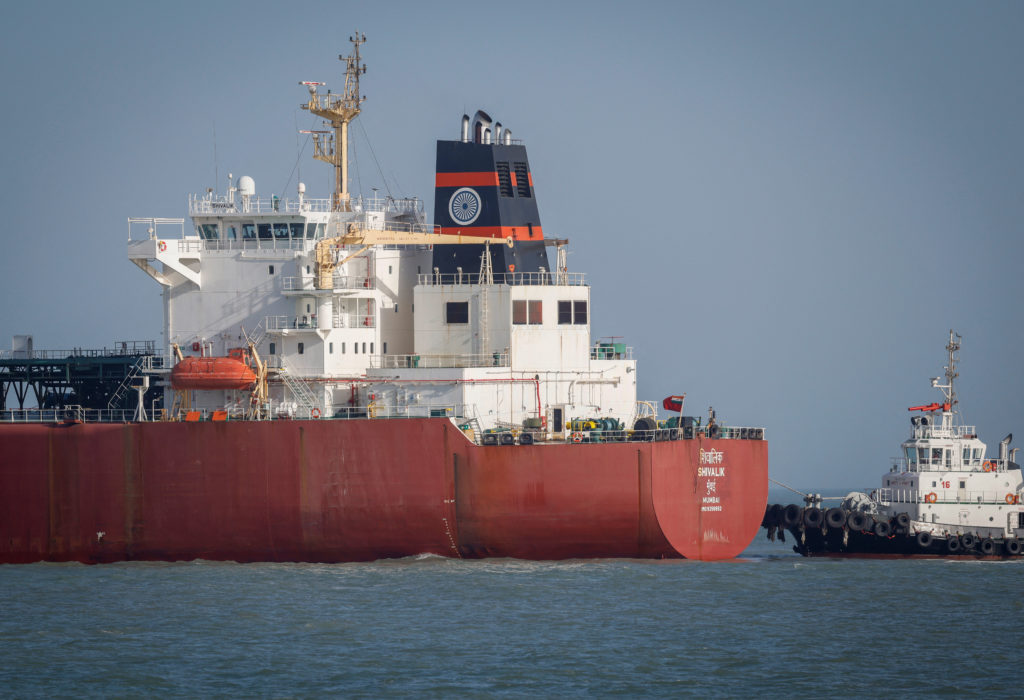
A reopening of the Strait of Hormuz could bring a cautious revival of tanker traffic through the Gulf, but analysts say normal shipping is unlikely to resume immediately even if the expected U.S.-Iran agreement is signed this week.
The waterway, which connects the Persian Gulf with the Gulf of Oman, remains one of the world’s most important energy corridors. Before the conflict disrupted commercial shipping, about a fifth of global oil supplies moved through the narrow route, making any delay or security threat a concern for oil markets, insurers, and Gulf exporters.
According to analysts at Kpler, vessel traffic through Hormuz could recover to nearly half of prewar levels within the first month if the agreement is implemented without major disruption. They said daily transits could rise to around 40 ships, compared with about 100 before the U.S. and Israel attacked Iran on 28 February and Tehran later began targeting tankers in early March.
The first vessels expected to move are those already stranded inside the Persian Gulf. Kpler estimated that 118 loaded tankers could leave the area within about 15 days once passage is considered safe. Analysts cautioned that this initial movement would largely represent a backlog of trapped ships rather than a clear sign that regular trade has fully returned.
The bigger question is whether owners will be willing to send tankers back into the Gulf once those waiting vessels have departed. Matt Wright, Kpler’s lead freight analyst, said many ships are positioned in the Gulf of Oman and the Arabian Sea, watching for the route to reopen. Inbound traffic could reach about 12 tankers a day in the first month, roughly half of earlier levels.
Frontline chief executive Lars Barstad told CNBC that “vessels will start to move very quickly once a deal is signed.” The tanker operator has five ships stuck in the Gulf.
However, uncertainty continues to hang over the plan. Iranian state media has suggested ships may pass toll-free for 60 days before Iran and Oman administer the route, while U.S. Vice-President JD Vance has said Washington expects Hormuz to remain toll-free over the long term.
Security concerns also remain unresolved. BIMCO warned that “the threat of mines in the area remains a concern.”
“Due to lack of details and a history of overly optimistic reassurances, we believe the security situation for the shipping industry remains volatile, and we still consider it very risky for ships to commence transits at this point,” said Jakob Larsen, BIMCO’s chief safety & security officer.