

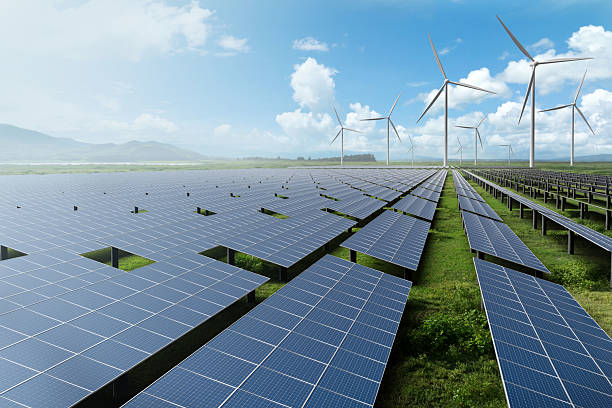
New Zealand is still grappling with volatility in short-term electricity prices, highlighting the need for greater investment in long-term renewable energy capacity.
According to New Zealand Infrastructure Commission general manager Peter Nunns, the country’s long-term challenge is scaling up electricity infrastructure to support a larger, low-carbon economy.
“We need to avoid undue regulatory hurdles and ensure there’s sufficient competition to build a new generation,” he said.
He said the latest research highlights how a more predictable approach to key policy settings could give infrastructure providers greater confidence to invest.
Electricity demand growth remains uncertain, shaped by technology trends such as electric vehicle adoption and data centre expansion, as well as policy decisions that affect how energy is used across the economy.
Nunns said that new electricity generation and storage are needed to replace declining gas supplies, but uncertainty around future gas availability and electricity demand, including the outlook for the Tiwai Point aluminium smelter, appears to have dampened new investment.
“We’re going to need to see certainty and predictability in some key policy settings and regulatory settings, like resource consenting policies that might affect demand for electricity in the future, and also coordination between different entities that have a regulatory or implementation role.”
According to the New Zealand Infrastructure Commission, the cost of building wind farms has halved, while the cost of new solar farms has fallen by about two-thirds over the 10-year period to 2025. Geothermal power stations in New Zealand are also cheaper to build compared with the global average.
Nunns said falling costs for the new generation help keep energy affordable, but added that further investment is still needed to deliver long-term benefits for the economy.