

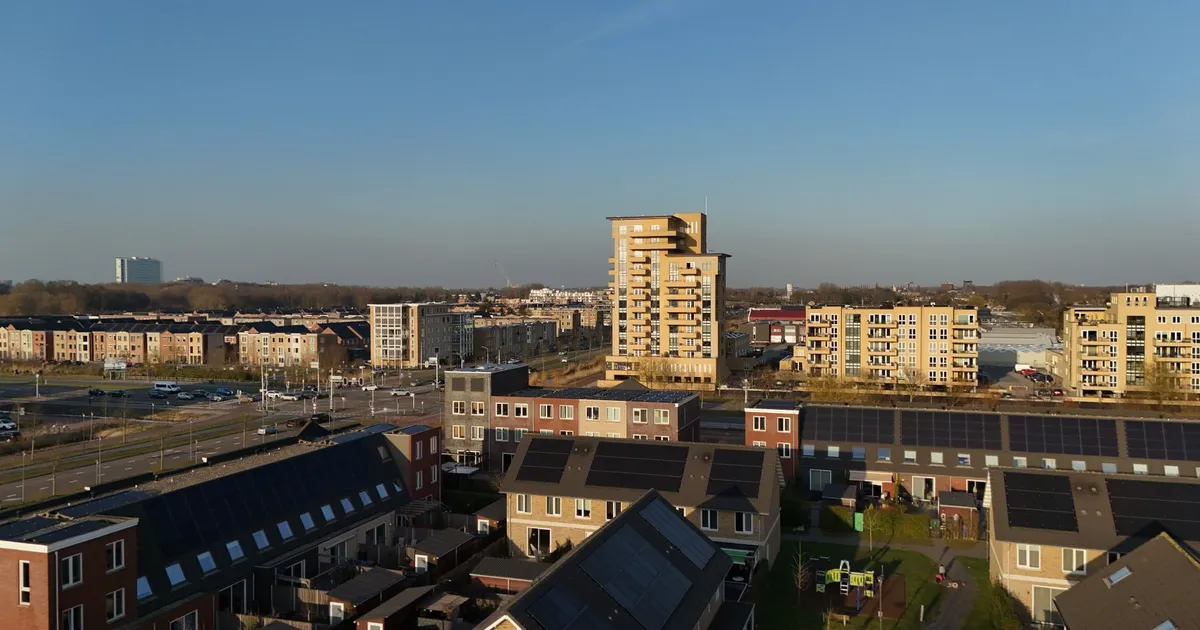
The framing problem nobody has solved
Solar panels on a New Zealand home are worth almost nothing at resale. A March 2026 study analysing nearly 80,000 property listings found solar adds a mere 1.3% premium to a house’s sale price. Real estate agents are not selling energy economics. They are bundling solar with double glazing, high-end fixtures, and rural lifestyle appeal as a luxury signal, not a cost-saving argument.
The researchers concluded that “sustainability framing is basically absent from solar marketing”. Buyers use a simple heuristic: solar equals premium. They are not calculating payback periods or lifetime savings. That is a problem for any developer trying to recoup the cost of installing panels.
Fletcher Living’s Christchurch trial is an attempt to solve this from the product side rather than the marketing side. If you build a home where the power bill is close to zero, the economics become self-evident regardless of how the agent pitches it.
What Fletcher actually built
The trial builds on Fletcher Living’s LowCO House project at Waiata Shores in South Auckland, a 120sqm prefabricated three-bedroom home that achieved a 10 Homestar version 5 built rating in early 2024. The home uses seven times less carbon and half the electricity of a standard build, with 80% potable water savings.
In August 2024, Nicola Tagiston, then Head of Sustainability at Fletcher Living, described it as “our bold response to the challenge of building sustainable homes within Aotearoa’s carbon budget.”
Critically, Fletcher released all intellectual property from the project publicly, including architecture plans, landscape designs, and full product lists. That is not the behaviour of a company protecting a competitive moat. It is the behaviour of a company that wants to own the narrative while the rest of the industry catches up.
The Christchurch trial takes those learnings and tests whether they translate into actual buyer demand at scale.
Electricity prices are doing Fletcher’s marketing for it
The timing is not accidental. Power prices rose 12% in 2025, with Consumer NZ forecasting another 5% increase in 2026. The national average retail electricity price hit 34.7 c/kWh in mid-2024, with lines charges alone climbing 7.0% in that quarter.
Consumer NZ’s Paul Fuge put it bluntly in February: “It’s actually cheaper to make your own power via rooftop solar than it is to buy electricity from the grid. That’s a real game changer…but only if you’ve got access to capital.”
That capital access problem is exactly what a developer-integrated model solves. A medium-sized solar system costs approximately $10,000 and provides roughly half an average household’s energy needs. When a volume builder installs panels at scale and rolls the cost into the mortgage, the buyer never faces the upfront barrier. They just see a lower power bill from day one.
Christchurch is the right test market
This is not a random location choice. Christchurch has emerged as the national leader in energy-efficient home adoption, with value growth running 3.0%+ above the national average for certified efficient homes. Cold winters make heating costs viscerally real for buyers in a way Auckland’s mild climate does not.
The broader market signal is encouraging. Properties with Homestar ratings of 6 or higher are reportedly achieving resale premiums of 15-20% over standard code-minimum builds, though that figure likely reflects a select segment rather than the broad market. More than 80% of New Zealanders now cite household energy costs as a top-three financial concern.
The gap between a 1.3% premium for solar panels marketed as a lifestyle feature and a potential 15-20% premium for a certified high-performance home is where Fletcher’s opportunity sits. The question is whether integrating solar into a whole-of-home energy story closes that gap.
The government is not going to help
Don’t expect policy to accelerate this. New Zealand has just 64,807 residential solar connections compared to Australia’s roughly four million, a gap driven largely by Australia’s more than $11 billion in subsidies. Energy Minister Simon Watts’ 2025 reforms delivered consent streamlining, not subsidies. MBIE’s own impact statement conceded the incentive effect was “not clear and expected to be minor.”
That policy vacuum is actually part of Fletcher’s thesis. If the government will not subsidise solar adoption, the market has to find its own commercial logic. A volume developer that can prove near-zero energy homes sell faster or command higher prices does not need a subsidy. It needs proof of concept.
Dr Jess Berentson-Shaw from The Workshop has warned that terms like “high performance” actively work against adoption because buyers translate them as “unnecessary expensive luxury.” The researchers behind the 80,000-listing study put the alternative pitch simply: “We aren’t selling a spreadsheet of U-values; we are selling a home you can rely on.”
Fletcher’s Christchurch trial will succeed or fail on exactly that distinction. If the homes sell on comfort and cost savings rather than sustainability credentials, the 1.3% solar premium becomes irrelevant. The product becomes the pitch. Every other volume builder in the country will be watching the sales data closely.