

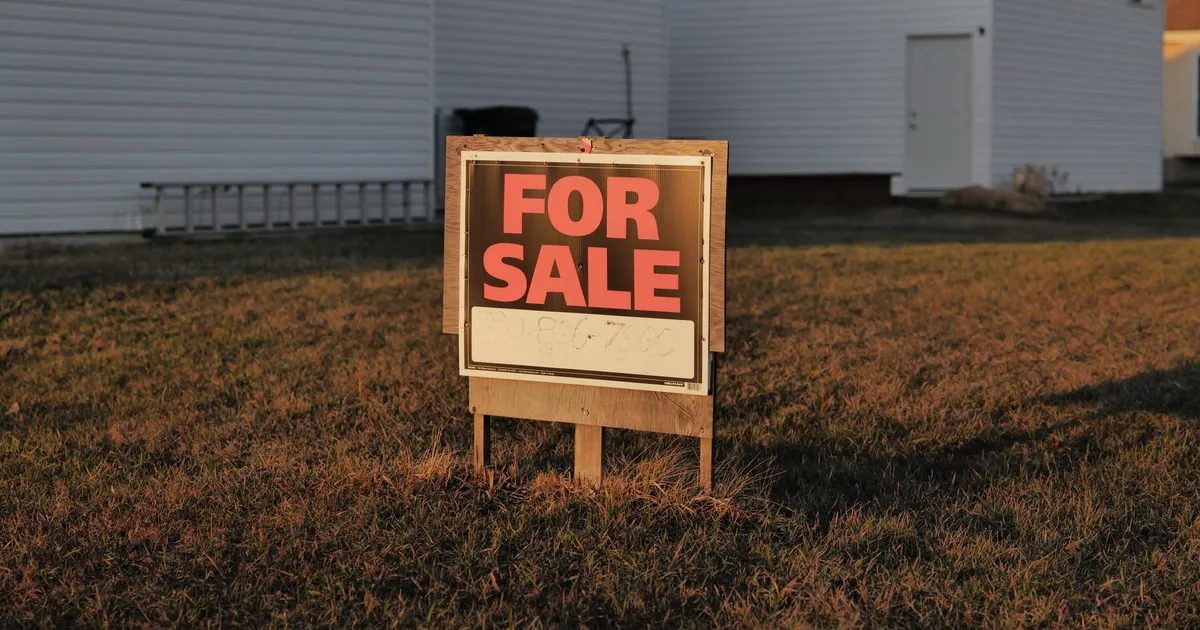
The number nobody wants to say out loud
The headline figures are bad enough. New Zealand house prices have fallen back to levels last seen in 2017 in some major centres, with Auckland and Wellington bearing the worst of the correction. But nominal prices tell only half the story.
Between 2017 and the market peak in late 2021, New Zealand’s consumer price index rose by roughly 22 percent. A house that cost $800,000 in 2017 would need to sell for about $976,000 today just to represent the same real value. If that house is instead selling at its 2017 nominal price, the owner has lost not just the boom-era gains but the purchasing power of the original capital. In real terms, peak-to-trough declines in the worst-hit markets are pushing toward 30 percent or beyond.
That is not a rounding error. It is a structural shift in household balance sheets, and it feeds directly into the spending, hiring and investment decisions that every business in the country depends on.
The wealth effect is not theoretical
The Reserve Bank of New Zealand has long documented the relationship between housing wealth and consumer spending. When house prices rise, homeowners feel richer and spend more freely. When prices fall, the reverse kicks in, and in New Zealand the effect is amplified because residential property is the dominant household asset class. Unlike the United States, where equities and retirement accounts provide diversification, most New Zealand households have the overwhelming majority of their net worth locked in a single house.
A household that bought at the 2021 peak on an 80 percent loan-to-value ratio and has watched its property fall 25 to 30 percent in real terms is now underwater or close to it. That household is not renovating the kitchen, not booking a holiday, not upgrading the car. Multiply that across tens of thousands of recent buyers and the drag on discretionary spending becomes enormous.
Retail NZ data has consistently shown softening consumer confidence feeding through to reduced foot traffic and transaction values, particularly in furniture, appliances, hospitality and home improvement. These are not abstract economic indicators. They are the revenue lines of real businesses.
Trapped workers, stalled mobility
The correction creates a second-order problem that rarely makes headlines but matters enormously to employers. Workers who are in negative equity, or who would crystallise a painful loss by selling, simply do not move. They stay in their current city, their current job, their current commute, regardless of whether better opportunities exist elsewhere.
For businesses in growth regions trying to attract talent, this is a genuine constraint. MBIE’s labour market analysis has repeatedly flagged geographic immobility as a friction in matching workers to vacancies. A prolonged housing correction makes the problem worse, not better, because the pool of people willing to relocate shrinks as equity evaporates.
Construction and trades are feeling it from the other direction. Transaction volumes drive renovation activity. When fewer houses change hands, fewer kitchens get ripped out, fewer bathrooms get retiled, fewer landscapers get called. The building consent data from Stats NZ has shown a sustained decline in residential consent values, and the pipeline of work that sustained the trades sector through the boom years is thinning fast.
Banks tighten, businesses pay
As loan-to-value ratios deteriorate on existing mortgages, banks face a worsening risk profile across their residential books. The RBNZ’s Financial Stability Report has flagged the concentration of New Zealand bank lending in residential property as a systemic vulnerability. When that book comes under stress, the response is predictable: tighter lending standards, more conservative valuations, and a general reluctance to extend credit.
The problem is that tighter residential lending does not stay in its lane. Banks reassessing risk appetite tend to pull back across the board, and small business owners who rely on their home as collateral for commercial borrowing find the terms shifting beneath them. A business that could borrow against $1.2 million in equity two years ago may now be looking at half that, or less.
Planning for the correction that already happened
The instinct in New Zealand property commentary is to treat every downturn as a pause before the next leg up. That instinct has been rewarded often enough to feel like wisdom. But the scale of this correction, particularly in real terms, suggests something different. Household balance sheets have been materially impaired, and the flow-on effects into spending, mobility and credit will persist for years, not quarters.
Businesses that are still budgeting for a consumer rebound in the second half of this year need to revisit those assumptions. The customers who drove discretionary spending during the boom did so partly because they felt wealthy. That feeling is gone, the equity is gone, and no amount of optimism about interest rate cuts will restore it quickly. The smart move is to plan for constrained demand as the baseline, not the exception.