

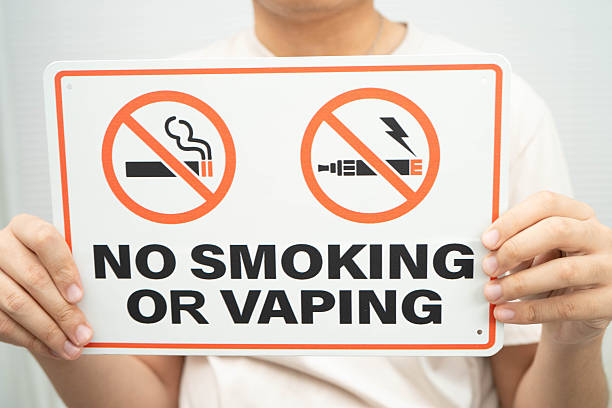
A growing number of people are seeking help to quit vaping, including individuals who never previously smoked, according to a health support service, raising fresh concerns about the wider uptake of e-cigarettes beyond traditional smoking populations.
Quitline says it recorded 4,000 enrolments in its Quit Vaping programme last year, making up a quarter of all people it supported to quit vaping or smoking.
Quit advisor Dave Lowe said an increasing number of vapers are now seeking to quit as awareness grows around the potentially harmful side effects associated with vaping.
“It’s affecting their breathing. They find it harder to stay focused because they’ve got this other thing that they have to feed constantly,” Lowe explained.
He pointed to a growing sense of disillusionment with vaping, arguing it has not lived up to its early promise as a safe alternative to smoking.
He said it would be more accurate to describe vaping as “less harmful” rather than “safer.”
Lowe said vaping may be just as addictive—or even more so—due to its easy accessibility for users. He also criticised what he described as aggressive, youth-targeted marketing strategies used by parts of the vaping industry.
He said around two-thirds of clients were still enrolling in services to quit smoking, but he suspected that rising cost-of-living pressures may also be contributing to increased uptake of support services.
“Cigarette prices are going nowhere but up. And, you know, people found, ‘Well, something’s got to give.’ And so they’re making, not an easy decision, but [a decision] to get rid of the smokes or get rid of the vapes because it’s just an extra cost that they don’t actually need.”
He said about one-third of participants in the Quit Smoking programme were smoke-free within a month of joining, emphasising early progress for many users engaging with cessation.
Quitline provides nicotine products along with online and phone-based support for people trying to quit smoking or vaping, offering assistance without judgement or pressure.
Lowe said the service focuses on helping people break the routines that lead to smoking or vaping by developing a personalised “quit plan.”
These plans are tailored to individual needs and set out new habits designed to avoid triggers associated with smoking or nicotine use.
He said triggers vary from person to person but identified stress as the most common factor driving smoking or vaping behaviour.