

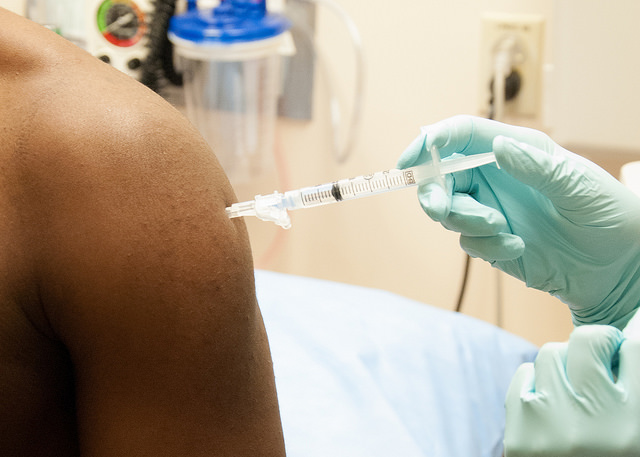
Scientists are accelerating efforts to develop vaccines against a rare form of Ebola as an expanding outbreak raises concern across central Africa.
The Bundibugyo strain has been linked to nearly 250 deaths, with more than 1,000 suspected cases reported in the Democratic Republic of the Congo and nine confirmed infections in neighbouring Uganda. The outbreak has been particularly difficult to contain because it was detected only after spreading through an area affected by conflict and limited access to healthcare.
Three vaccine programmes are now under way. The International AIDS Vaccine Initiative, Moderna, and the University of Oxford are each developing candidates with support from the Coalition for Epidemic Preparedness Innovations.
Unlike the more common Zaire strain of Ebola, Bundibugyo has appeared in only two previous outbreaks and has no approved vaccine. Existing Ebola vaccines cannot simply be repurposed because protection must be developed for the specific strain involved.
The IAVI candidate is based on a modified version of technology already used against Zaire Ebola. Early studies in monkeys found that it triggered a rapid immune response and offered close to complete protection. However, clinical trials could still be seven to nine months away, although researchers are trying to move more quickly.
Moderna is using mRNA technology, which played a major role in the rapid development of Covid-19 vaccines. Oxford researchers are also adapting a platform used during the pandemic, with trials expected to begin within two to three months.
All three candidates are designed to teach the immune system to recognise a protein on the surface of the virus, known as the Bundibugyo glycoprotein. Their different technologies could affect how well they work and how many doses may be required.
“With Bundibugyo virus spreading rapidly and no licensed vaccines, every day counts in the race against this deadly disease,” said Dr Richard Hatchett, chief executive of CEPI.
“A Bundibugyo vaccine could help to control this epidemic and strengthen preparedness for future outbreaks,” Dr Tedros Adhanom Ghebreyesus, director-general of the World Health Organization, added.