

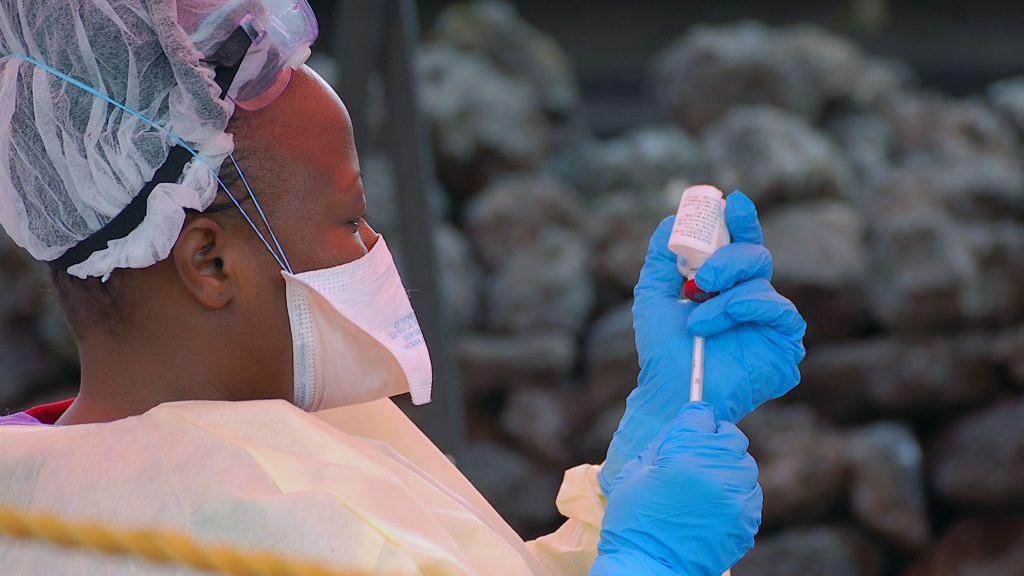
The World Health Organization has declared the Ebola outbreak in eastern Democratic Republic of Congo a global health emergency after the virus was detected in neighbouring Uganda, prompting concerns that the disease could spread further across the region.
The outbreak is concentrated in Ituri province, where health authorities have reported about 246 suspected cases and 80 deaths. Eight infections have so far been confirmed through laboratory testing, with suspected cases and fatalities recorded in Bunia, the provincial capital, as well as the mining areas of Mongwalu and Rwampara.
WHO director general Dr Tedros Adhanom Ghebreyesus warned there are currently “significant uncertainties to the true number of infected persons and geographic spread,” as emergency teams continue to assess how widely the virus may have circulated before being detected.
The agency said the outbreak involves the Bundibugyo strain of Ebola, a rarer form of the disease for which there are no approved vaccines or treatments. That has made the response more difficult, as medical tools used in earlier Ebola emergencies were largely developed for other strains of the virus.
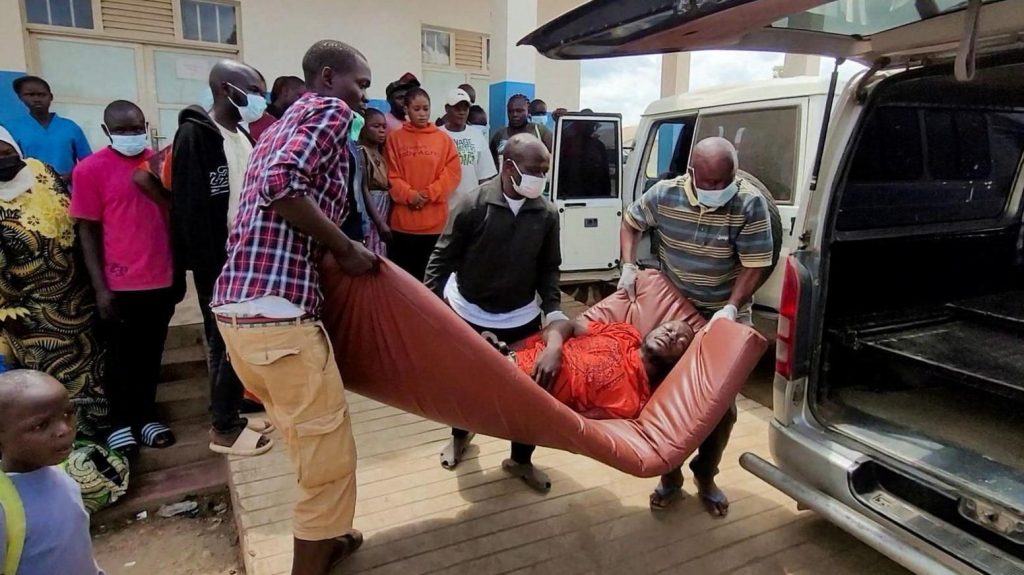
Uganda has confirmed two cases linked to the outbreak, including a 59-year-old man who died on Thursday after testing positive. The cross-border infections have increased concern among health officials because communities in eastern DR Congo and western Uganda are closely connected through trade, mining, travel, and family networks.
Countries bordering DR Congo are now considered at heightened risk because of regular population movement. The WHO has urged DR Congo and Uganda to activate emergency operations centres, strengthen surveillance, trace contacts, isolate confirmed patients, and improve infection-prevention measures in hospitals and local communities.
Confirmed patients should remain isolated until two Bundibugyo-specific tests, taken at least 48 hours apart, come back negative. Neighbouring governments have also been advised to improve health reporting in areas close to the affected zones, while avoiding border closures or restrictions on trade and travel.
The WHO said “such measures are usually implemented out of fear and have no basis in science.”
Ebola is a severe viral disease that spreads through direct contact with the bodily fluids of infected people or contaminated materials. Symptoms can begin with fever, fatigue, muscle pain, headache, and sore throat, before progressing to vomiting, diarrhoea, rash, bleeding, and organ failure.
The virus was first identified in 1976 in what is now DR Congo. This is the country’s 17th recorded outbreak, with its deadliest crisis occurring between 2018 and 2020, when nearly 2,300 people died.