

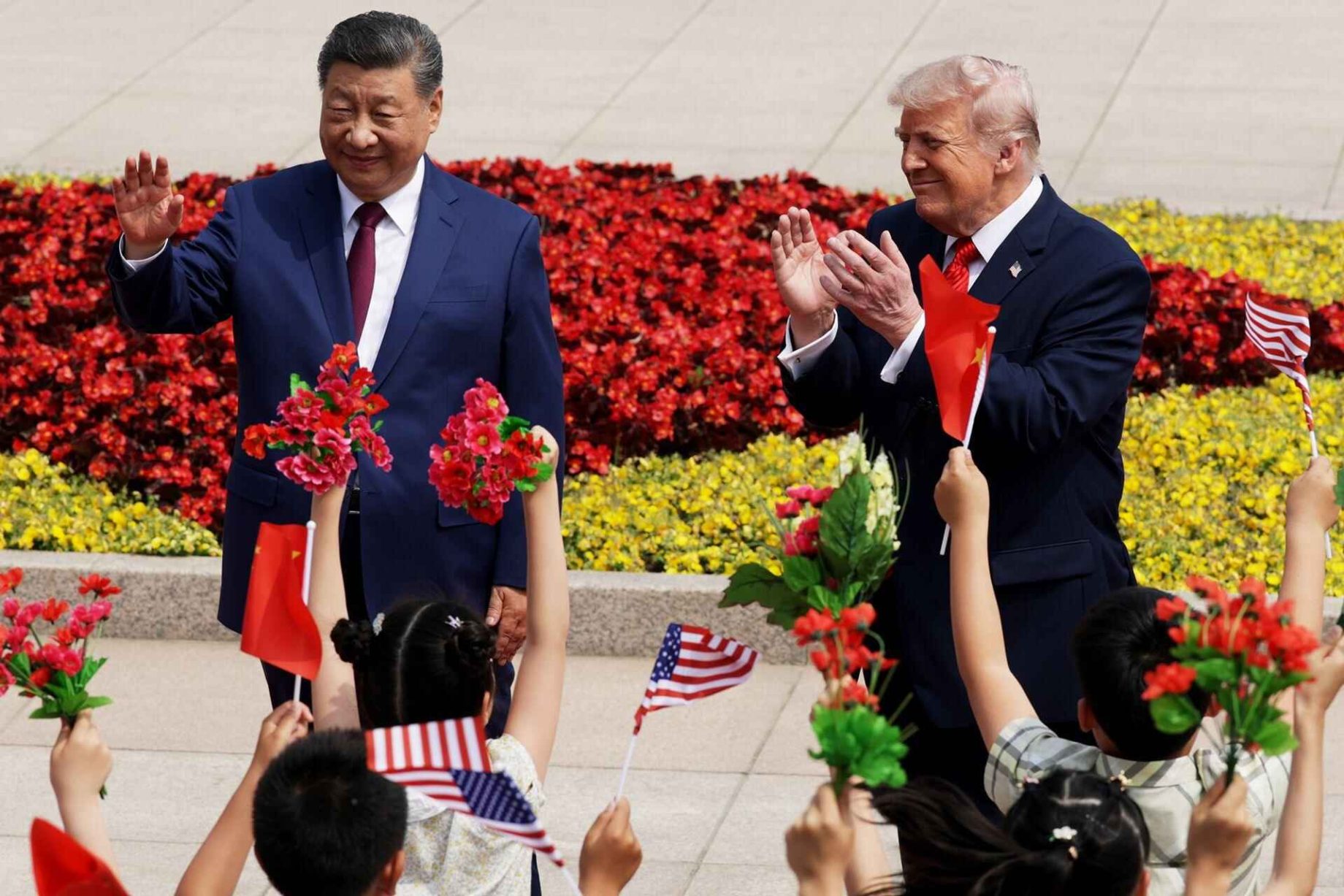
China and the United States have moved closer to easing pressure on agricultural trade, after talks in Beijing between President Donald Trump and Chinese leader Xi Jinping produced early agreements on tariff reductions and wider market access.
China’s commerce ministry said both sides had agreed to pursue measures that could increase trade in farm goods, including reciprocal tariff cuts and efforts to address regulatory barriers that have limited some U.S. exports. The ministry described the arrangements as “preliminary” and said they would be “finalised as soon as possible.”
The announcement points to a possible thaw in a sector that has been badly affected by renewed trade tensions. American farmers have faced weaker demand from China after last year’s retaliatory tariff measures disrupted purchases of key commodities.
U.S. agricultural exports to China fell 65.7% year on year to $8.4 billion in 2025, according to U.S. Department of Agriculture data cited in trade reports.
While Beijing did not identify the products that could be covered by future tariff reductions, traders are closely watching soybeans, one of the most important products in U.S.-China farm trade.
China remains the world’s biggest soybean buyer, and a reduction in duties could help make U.S. cargoes more attractive to private crushers, many of which avoided American supplies during last year’s harvest. State-linked grain traders were left as the main buyers during that period.
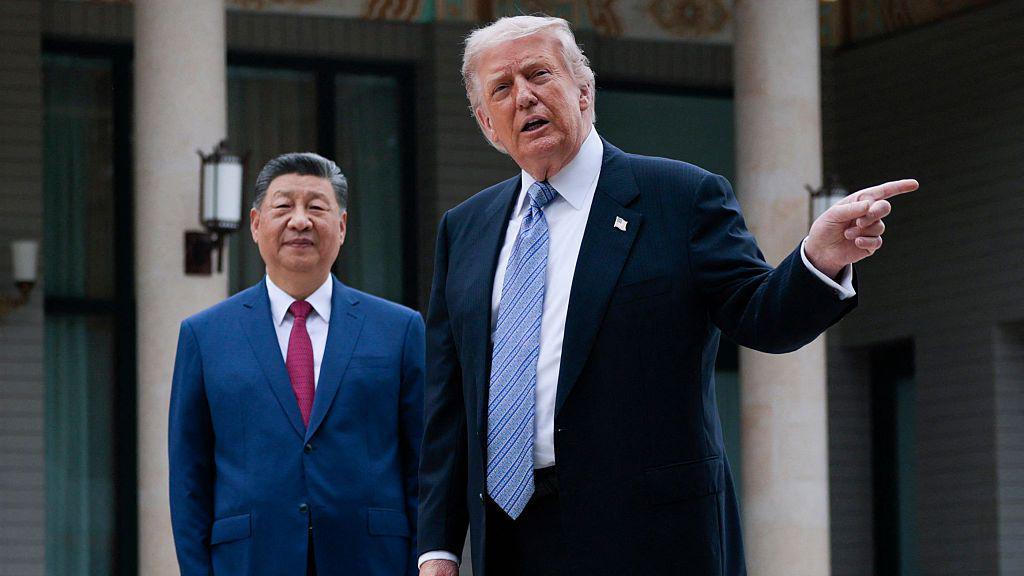
China has already restarted purchases of some U.S. farm products following earlier discussions in October. Those purchases included soybeans tied to a U.S.-stated commitment for China to buy 12 million metric tonnes by the end of February, as well as wheat cargoes and large volumes of sorghum.
“Tariff reductions on agricultural products would mark a normalization of China-U.S. farm trade, allowing commercial buyers to re-enter the market,” said Johnny Xiang, founder of Beijing-based AgRadar Consulting.
The two governments also said they would work on non-tariff barriers, including market access concerns that have affected meat and poultry trade. Beijing said it would address U.S. concerns over beef facility registrations and poultry exports from certain American states.
In a further sign of progress, China granted five-year registration extensions to 425 U.S. beef plants that had largely been blocked from the market after previous approvals expired. It also approved new five-year registrations for 77 more U.S. facilities.
U.S. Trade Representative Jamieson Greer said Washington expects China to buy “double-digit billions” worth of U.S. farm goods over the next three years, although neither side has released exact details on products, volumes, values, or timing.