

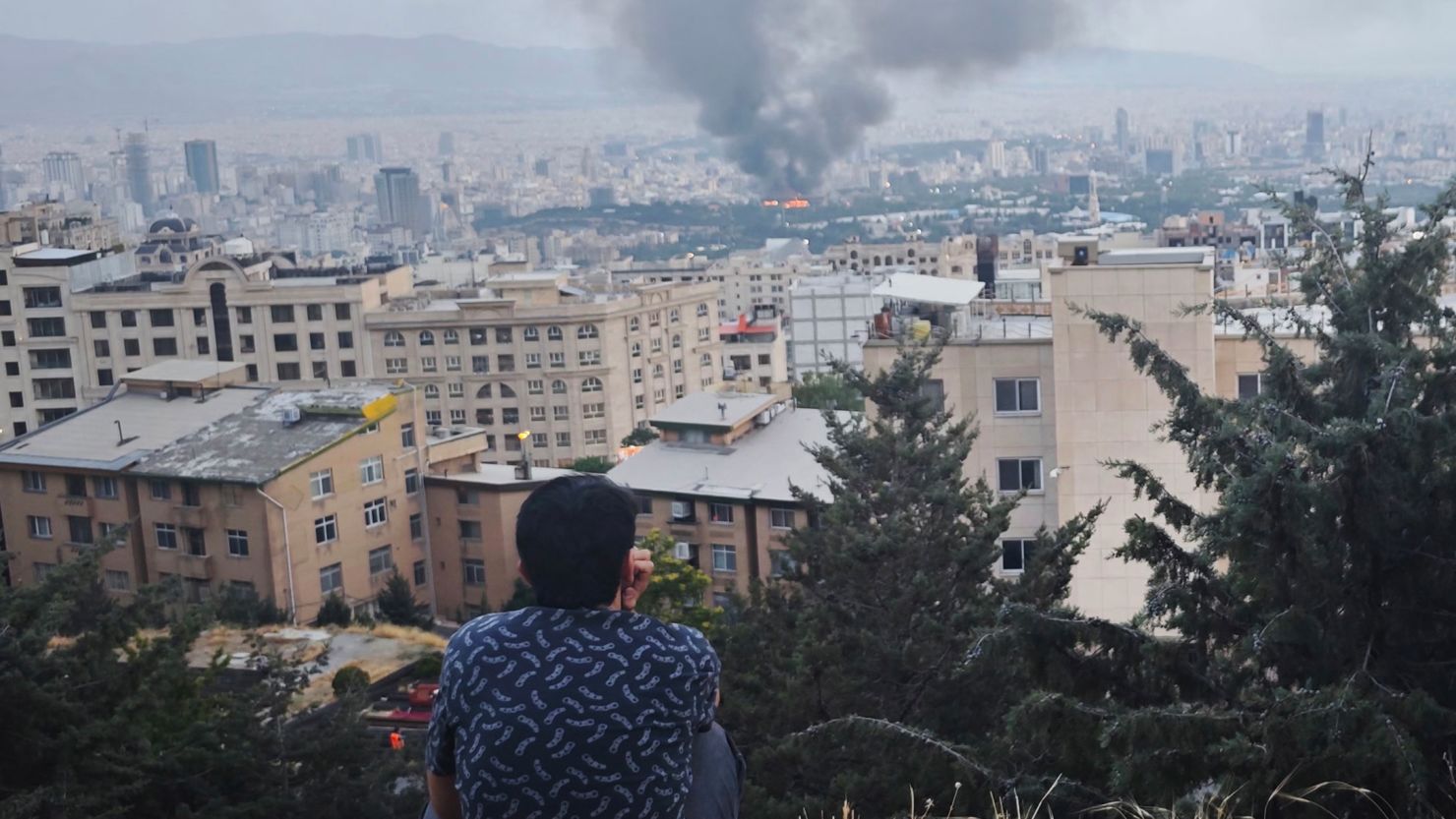
Qatar’s transformation from debt-ridden underdog to LNG superpower now hangs in the balance after an Iranian missile strike devastated its key export hub last month.
In the early 1990s, the Gulf state poured resources into liquefying vast North Dome gas reserves for shipment to Asia, building Ras Laffan into the world’s top LNG facility. But on 18 March, the attack knocked out 17 per cent of global supply, costing QatarEnergy $20 billion in lost yearly revenue and leaving markets like China in the lurch. Repairs could stretch four years or more, according to recent International Energy Agency estimates.
“The attack was a shock both to global energy markets, but also to the Gulf states themselves, which are now feeling very vulnerable,” says Karen Young, a senior research scholar at Columbia University’s Center on Global Energy Policy.
QatarEnergy chief executive Saad Al Kaabi said the scale of the damage had “set the region back by 10 to 20 years.”
The blow came after Israel targeted Iran’s adjacent South Pars field, part of the planet’s largest gas reserve. Across the Gulf, the war has wrecked over 87 facilities since late February, with damages topping $62 billion per Rystad Energy’s latest tally. Bahrain, Kuwait, Saudi Arabia, and the United Arab Emirates have all suffered hits.
The World Bank now forecasts Middle East growth at just 1.8 per cent for 2026, down from four per cent, warning of lasting scars. Qatar and Kuwait face the sharpest contractions as the Strait of Hormuz blockade slashes exports, which normally carry 20 per cent of global oil and LNG.
While Saudi Arabia and the UAE reroute via pipelines to ports like Yanbu and Fujairah, these handle less than half the usual volumes. Tourism has collapsed too, costing the region $620 million daily, with Dubai hotels nearly empty and thousands of jobs lost.
Financial strains are emerging. The UAE dismissed U.S. dollar swap offers, with ambassador Yousef Al Otaiba saying such ideas “misread the facts.” It has quit OPEC to boost output freely.
Experts urge pipeline builds to avoid future chokepoints. “They can’t just rely on one route to transport oil, gas. It’s Iran today. It could be some other external threat in the future,” says Bader Al Saif of Kuwait University.
Aid to Gaza, Lebanon, and Syria may dry up, and diversification into AI and tech faces delays. “The Gulf states do have to prepare for perhaps an extended period of instability,” says Young.