

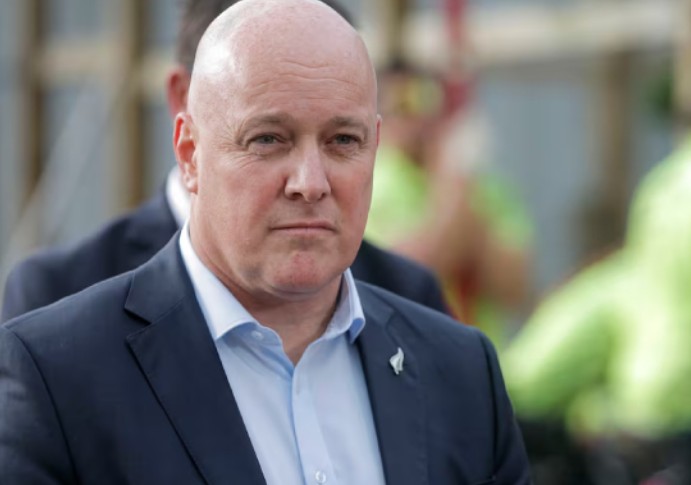
Prime Minister Christopher Luxon has stood by the new requirements for migrants applying for New Zealand citizenship.
Migrants applying for New Zealand citizenship will soon need to sit a new multiple-choice test under a government change set to begin late next year.
The in-person exam will cover the “responsibilities and privileges” of citizenship, including topics such as the Bill of Rights Act, voting rights, and how the government is structured.
To pass, applicants will need to answer at least 75% of the questions correctly.
At present, applicants only need to sign a declaration confirming they understand these responsibilities. They must also meet other requirements, including residency rules, being of good character, and having sufficient English language skills.
Internal Affairs Minister Brooke van Velden said the change would help reinforce what it means to be a New Zealand citizen.
However, critics have questioned the need for the change. For immigration, lawyer Pooja Sundar said it was “a solution without a problem.”
“Are people currently who are New Zealand citizens not sharing these values? Is there any data showing that knowing these things makes people better citizens?”
She also questioned what exactly was meant by the country’s “values.”
Luxon defended the change, saying the changes were simply bringing New Zealand in line with what other countries are already doing.
“It’s probably not a bad thing to remind people that things like freedom of expression, freedom of speech and women having equal rights … to have them positively affirmed is probably a good thing,” Luxon explained.
He said he did not believe the change would disadvantage skilled migrants applying for citizenship, adding that the process would be self-funded.
Meanwhile, he also defended the strength of the “fuel-for-food” agreement with Singapore.
He had just returned from a visit to the country after signing a deal that ensures continued trade in essential goods such as fuel and food.
Luxon said that, unlike other “best effort” trade arrangements, this agreement provided a firm commitment that export controls would not be introduced.