

Britain’s exports to the United States have suffered a dramatic setback under President Donald Trump’s tariff regime, with official figures highlighting a persistent downturn that threatens wider economic growth.
Data released by the Office for National Statistics shows that UK goods shipments to America, excluding precious metals, plummeted by £1.5 billion or 24.7 per cent in the wake of Trump’s so-called “liberation day” tariffs introduced in April 2025.
Volumes have remained depressed ever since, failing to recover to previous levels. This includes a notable slump in car exports, which now sit below pre-tariff benchmarks after a full year.
The imbalance has worsened as imports from the U.S. surged into Britain at the start of 2026, creating a trade deficit with the UK’s largest partner for three consecutive months. Two-way trade with America topped £50 billion last year, according to HM Revenue and Customs, making the stakes particularly high.
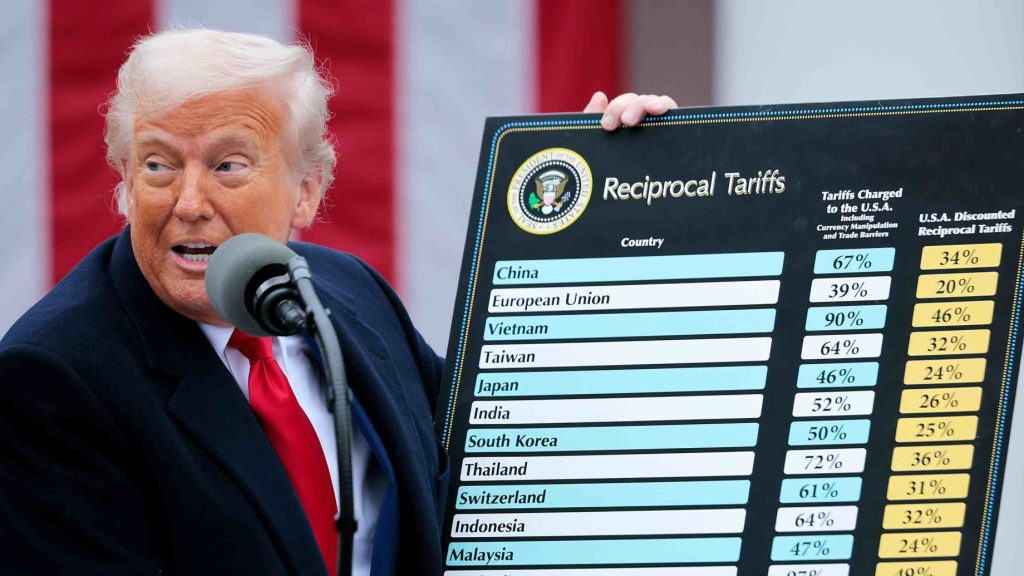
In a bid to mitigate the damage, Britain secured the first trade deal with the Trump administration last year. However, it imposed a blanket 10 per cent tariff on UK goods bound for the U.S., ending a cherished zero-tariff arrangement and levying duties on products like Scotch whisky. The spirit’s exports, worth £5.4 billion overseas in 2024 per Scottish Government figures, have felt the pinch amid intensifying global rivalry.
This week brought a concession, as Trump announced he would drop all tariffs on Scotch whisky “in honor” of King Charles III and Queen Camilla following their state visit. The sector supports 40,000 jobs in Scotland and represented 23 per cent of regional goods exports in 2025, yet analysts doubt it will fully restore balance.
“The U.S. remains the UK’s largest export market – so this scale of downturn is likely to have consequences on overall UK growth,” said Samuel Edwards, head of client portfolio management at Ebury.
“Exporters are facing a triple squeeze of higher trading costs from tariffs, raised employment costs and taxes, and input price pressures, all of which are eroding margins and making it harder to compete internationally.”
Looking ahead, ONS forecasts warn of a deepening deficit, potentially trimming 0.5 per cent from UK GDP in 2026 in line with IMF concerns over protectionism. Firms are redirecting efforts to markets in Asia and the EU, but the American marketplace continues to hold unmatched appeal.