

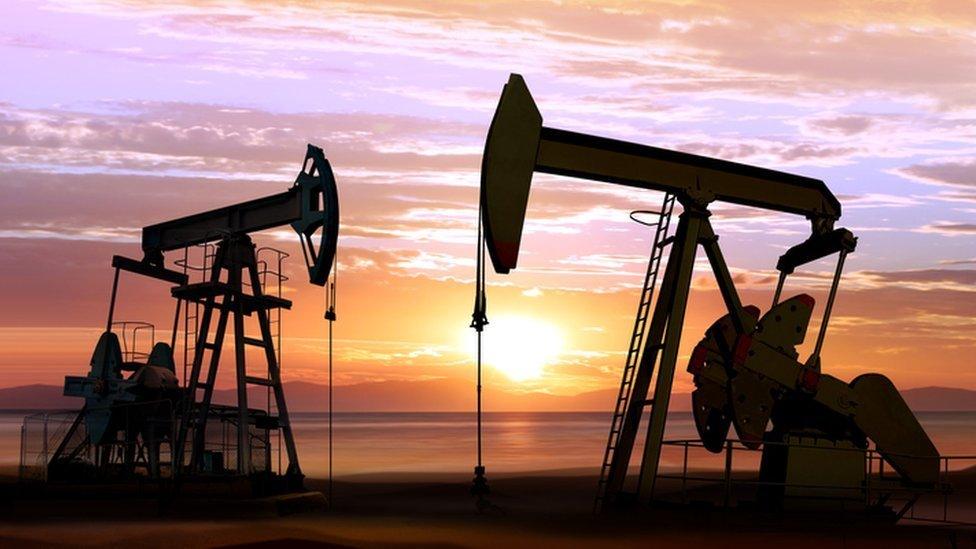
Crude oil prices jumped around 2% on Sunday as diplomatic efforts between the United States and Iran crumbled once more, compounded by a fresh maritime incident in a vital global shipping lane.
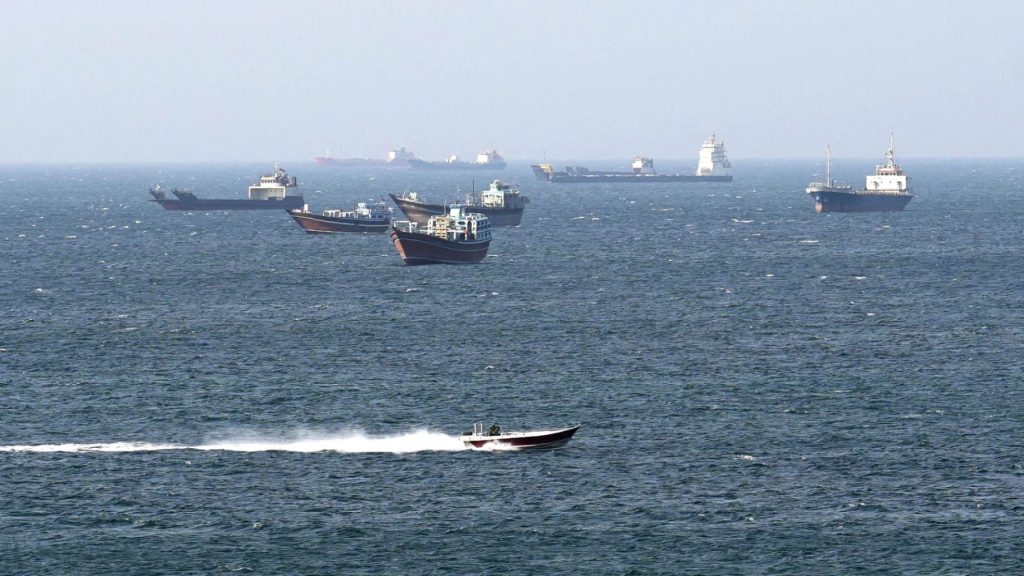
Reports indicate that Iran’s Revolutionary Guard Corps boarded two cargo vessels near the Strait of Hormuz, the narrow waterway that handles nearly one fifth of the world’s daily oil supply, according to data from the International Energy Agency.
Such actions evoke memories of the 2019 tanker attacks in the same region, which previously sent shockwaves through energy markets and highlighted the strait’s vulnerability to disruption.
In response, international Brent crude futures climbed more than 2% to $107.89 per barrel by 6:27 p.m. ET, while U.S. West Texas Intermediate crude rose similarly to $96.63 per barrel. Bloomberg market trackers noted the sharp moves as investors braced for potential supply interruptions.
The breakdown in diplomacy centred on planned talks in Islamabad, Pakistan. On Saturday, President Donald Trump called off a second round of negotiations by scrapping the dispatch of U.S. envoy Steve Witkoff and advisor Jared Kushner.
“Too much time wasted on traveling, too much work! Besides which, there is tremendous infighting and confusion within their ‘leadership,’” Trump posted on Truth Social.
“Nobody knows who is in charge, including them,” the president said. “Also, we have all the cards; they have none! If they want to talk, all they have to do is call!!!”
Iranian Foreign Minister Abbas Araghchi travelled to Islamabad over the weekend, yet his visit yielded only meetings with Pakistani officials before he departed.
“No meeting is planned to take place between Iran and the U.S.,” Iran’s Foreign Ministry spokesperson Esmaeil Baqaei said in a late Friday social media update.
Analysts warn that ongoing pressures, including OPEC+ production limits and Houthi-related disruptions in the Red Sea as detailed in recent IEA reports, could drive prices even higher if tensions persist around Hormuz. Such volatility risks fuelling broader inflationary trends across the global economy.