

A television relic that became a lifeline
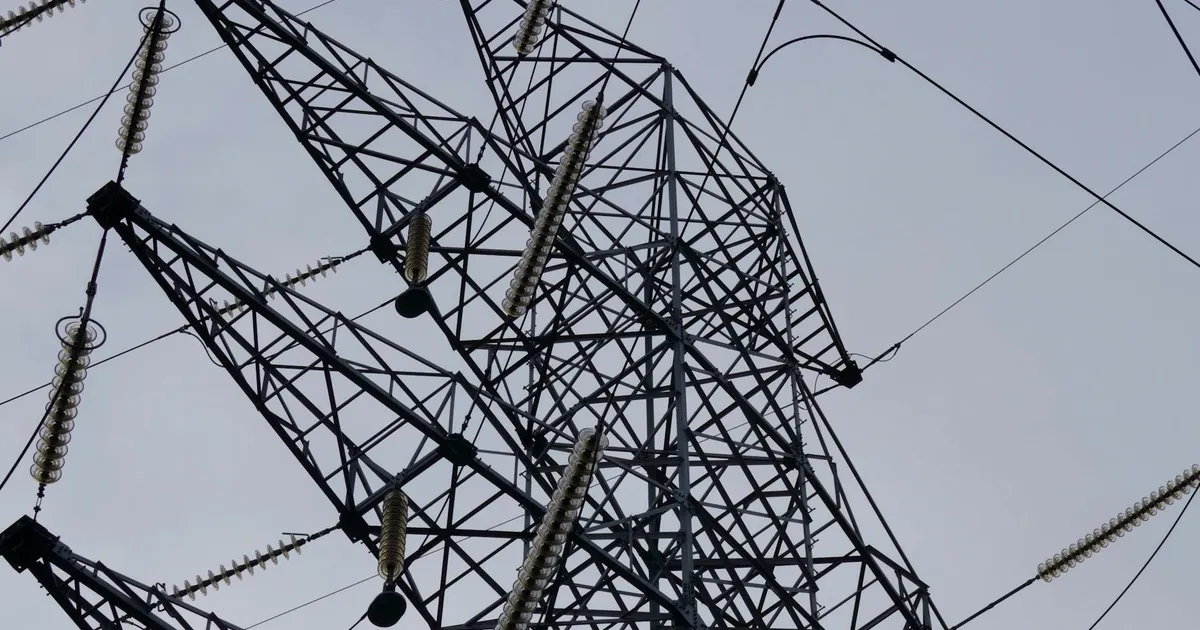
Dunedin’s Mt Cargill transmission tower has been standing on a 670-metre peak since 1970, when it was built for the NZBC to carry a single analogue TV channel. Fifty-six years later, the tower’s broadcast function is fading. Its emergency function has never been more important.
Kordia’s South Island head of operations Steve Townsend confirmed this week that the 105-metre tower carries the Channel 16 maritime distress radio system, coastguard channels, and operational radio for Fire and Emergency NZ, Hato Hone St John, and NZ Police. Team leader Gavin Tarbotton confirmed the site’s V12 diesel generator can run equipment for up to a month during grid failures. Executive general manager Brent La Franchie said the company has invested heavily in power resilience so key sites can stand self-sufficient during prolonged outages.
For any business owner whose continuity plan assumes the phones will work, this is the infrastructure you didn’t know you depended on.
Cyclone Gabrielle proved the dependency is real
The stress test came in February 2023. Cyclone Gabrielle caused $14.5 billion in damage, isolating communities and destroying mobile and internet connectivity across Hawke’s Bay and Gisborne. Cell towers drained their batteries within hours. Fibre cables were severed by slips. Kordia’s FY2023 annual report records that it was the only telecommunications company functional in Gisborne on 17 February 2023, with generator power sustaining operations for 1,500 hours across 23 affected areas.
In 2023, University of Auckland senior lecturer Ulrich Speidel explained the cascade to Newsroom: cell sites need power, uninterruptible supplies last “anything between a few hours to maybe a couple of days”, and widespread outages overwhelm the system. He also noted that fibre infrastructure is “not overly robust” when hillsides collapse.
The business impact was immediate. PhD researcher Richard Mowll noted in 2023 that EFTPOS machines, cash registers, and ATMs all failed during Gabrielle, preventing people from purchasing essentials. When communications go, commerce goes with them.
Broadcasting revenue is shrinking but the towers still matter
Here is the problem nobody in Wellington has resolved. The Commerce Commission’s 2024 broadcasting transmission monitoring report describes digital terrestrial television as entering a “sunset phase.” Broadcasting costs are rising across the board: Sky NZ’s broadcasting and infrastructure costs rose 9.4% to $87.2 million in the year to June 2024, while TVNZ’s equivalent costs rose 6.02% to $29 million.
As the commercial case for maintaining these towers weakens, the emergency communications that have co-located on them need either new homes or dedicated funding. A 2017 West Coast lifelines assessment documented how dependent entire regions are on single fibre routes and limited tower coverage, a vulnerability Gabrielle confirmed six years later. An OIA request to NEMA in early 2026 sought details on post-Gabrielle resilience planning, suggesting the policy framework is still being assembled.
Kordia is hedging by pivoting commercially. The company is investigating using sites like Mt Cargill for high-security data centres and edge-computing services, adding revenue streams that could cross-subsidise the resilience function. Its major network sites are built to level 4 importance, designed to operate immediately after earthquakes. And the $1.4 billion Public Safety Network joint venture with Tait Communications will eventually give emergency services a dedicated backbone.
Community friction is a warning sign
The most visible local story has been a fence dispute. In early 2026, Kordia permanently fenced off the tower base, blocking summit access for trail runners and tourists, citing risks of illegal climbing and falling ice. The backlash was immediate. In 2025, Crush the Cargill organiser Steve Tripp noted the impact extended beyond runners, with tourists and people in wheelchairs struggling to navigate the site.
This is a minor controversy, but it illustrates a governance gap. Critical infrastructure embedded in public landscapes creates friction that can complicate future planning approvals, exactly when operators need community goodwill to expand or upgrade.
What business owners should take from this
Most business continuity plans assume communications will work. Gabrielle proved they won’t. The residual resilience in New Zealand’s system depends on a small number of hardened hilltop sites that most business owners have never thought about, maintained by a company earning $145 million in revenue while the broadcast revenue model erodes beneath it.
If you run a business that cannot trade without EFTPOS, cannot coordinate staff without mobile coverage, or cannot serve customers without internet, you have a stake in whether these towers stay funded. Right now, nobody has confirmed who picks up the tab when television stops paying the rent.
Sources
- ODT: Mt Cargill tower emergency lifeline (2026-04-26)
- ODT: Anger as fence cuts access to summit (2026-02-10)
- ODT: Fears fences will cut off Mt Cargill trail (2025-07-10)
- Kordia: How Kordia is helping create a more resilient New Zealand through critical communications infrastructure (2025-06-24)
- Commerce Commission: Broadcasting Transmission Monitoring Report 2024 (2025-07-01)
- Kordia Group Annual Report FY2023 (2023-06-30)
- Newsroom: Preventing a communications blackout in the next big disaster (2023-03-15)
- ODT: Transmitting more details about tower (2018-05-14)
- West Coast Lifelines Vulnerability and Interdependency Assessment – Communications (2017-08)