

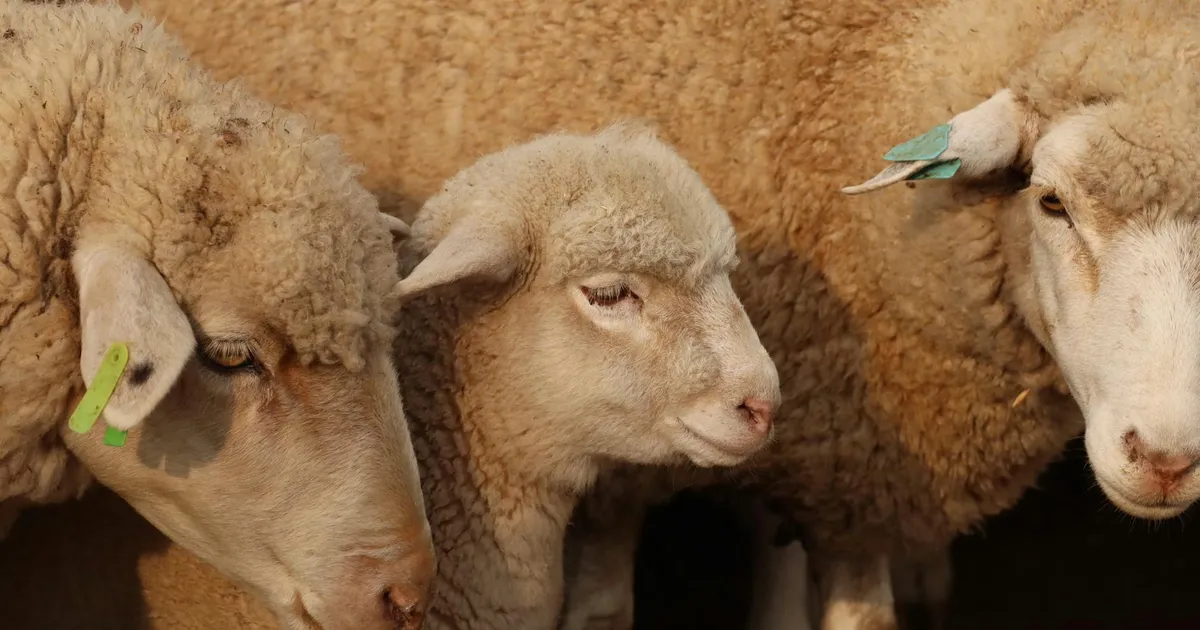
New Zealand’s fine merino wool commands a fat premium in global markets. Fine wool accounts for just 10% of export volume but 30% of export value, a gap that exists almost entirely because brands like Allbirds, Icebreaker, and Hugo Boss will pay more for wool that comes with an ethical guarantee. That guarantee is called ZQ, and it just got stress-tested by an adversarial investigation it was not prepared for.
The result is a certification scheme that technically survived but exposed how thin the assurance layer really was.
What PETA actually found
In late December 2024, PETA released footage from an undercover investigation spanning 11 farms and shearing sheds it claimed supplied ZQ-certified wool. Workers were filmed beating, kicking, stomping, and dragging sheep, and sewing wounds without anaesthetic. By January 2025, PETA expanded the scope to a broader exposé drawing on two years of undercover work across 34 farms.
PETA spokesperson Abigail Forsyth said the footage revealed “rampant abuse at every stage of farm operations, from terrified lambs enduring agonising mutilations without any pain relief to shearers punching struggling sheep in the face.”
MPI’s compliance and response director Glen Burrell called the footage “absolutely unacceptable” and identified eight individuals as the most concerning cases after reviewing 235 video files. Prosecution and disqualification from working with animals remain on the table.
The audit that should worry exporters more than the footage
NZ Merino commissioned auditor Control Union to investigate the two ZQ-accredited farms identified in PETA’s material. The probe concluded neither farm featured in scenes showing deliberate abuse. NZ Merino treated this as vindication.
It shouldn’t have. Control Union found two breaches at each property relating to inadequate training, supervision, and failure to minimise animal stress. Both farmers were temporarily suspended.
Then came the wider check. Control Union conducted 52 spot inspections across the ZQ grower base and issued 35 corrective actions, with nine still pending resolution. NZ Merino characterised most as documentation and record-keeping issues.
That framing deserves scrutiny. Thirty-five corrective actions across 52 inspections means roughly two-thirds of farms had something wrong when an auditor showed up unannounced. Documentation is how certification schemes prove compliance. If records aren’t being kept, the certification is operating on trust rather than evidence.
Customers noticed
NZ Merino CEO Angus Street acknowledged the commercial stakes directly. “It’s not necessarily the footage that has the most damning impact, it’s how we respond that really matters,” he told Farmers Weekly. He confirmed customers raised concerns and required active reassurance.
The premium is most at risk precisely where it is most valuable. China takes 37% of NZ wool fibre exports but is largely a commodity buyer. The European and North American brand customers, the Icebreakers and Hugo Bosses, are where ZQ’s premium matters and where welfare footage circulates fastest on social media. With around 80% of all NZ wool production exported, this is not an abstract reputational concern. It is a pricing question with direct farm-gate consequences.
PETA senior VP Jason Baker called ZQ a “sham” and argued “most abuse goes unpunished for either lack of animal protection laws, politics or an unwillingness to hold major industries accountable.”
Reform that concedes the point
NZ Merino has committed to video surveillance during shearing, unannounced inspections during peak seasons, and trained animal welfare officers in shearing sheds. These are substantive changes. They are also an implicit acknowledgement that the pre-crisis monitoring regime was insufficient.
Street framed the outcome optimistically, saying NZ Merino sees “an opportunity to springboard and showcase ZQ wool and NZ wool as the very best in the world.” That’s crisis communications talking. The Wool Impact 2025 report notes the sector is actively repositioning wool from commodity to premium material sought by global brands. That transition depends entirely on provenance credibility holding up.
For any NZ business that sells on ethical or sustainability credentials, this is directly instructive. Certification creates commercial value only as long as it is credible. Credibility requires enforcement, not just documentation. And enforcement requires genuine independence, or the willingness to act against commercial interests when breaches are found.
So far, Allbirds, Icebreaker, and Hugo Boss have not walked away. Whether that reflects confidence in the certification or simply the absence of a credible alternative is the question the industry cannot yet answer. The MPI prosecution outcomes will determine legal consequences. But the commercial consequences will be written by whether those brand customers keep paying the premium, or start looking for wool that comes with assurance they can actually verify.
Sources
- RNZ: Investigations launched after PETA cruelty allegations (2024-12-31)
- 1News: Farms under investigation over sheep abuse claims (2025-01-22)
- RNZ: Shearing shed sheep cruelty footage ‘very concerning’ – MPI (2025-01-31)
- Farmers Weekly: NZ Merino says probe clears ZQ farms of shearing abuse (2025-03-05)
- RNZ: NZ Merino Company suppliers have two farmers suspended after animal welfare investigation (2025-03-06)
- Farmers Weekly: PETA footage prompts debate at wool company (2025-03-06)
- Wool Impact: NZ wool export data 2025 (2024-08)
- Wool Impact: Impact Report 2025 (2025-12)