

From smartphones to smart factories, 5G is undergoing a structural transformation. What began as a consumer-focused upgrade to mobile broadband is now steadily evolving into a foundational layer of industrial infrastructure powering automation, logistics, manufacturing, and edge computing systems.
Rather than being defined by faster downloads on mobile phones, 5G is increasingly being designed for reliability, low latency, and machine-to-machine communication in industrial environments.
The use of 5G in various sectors
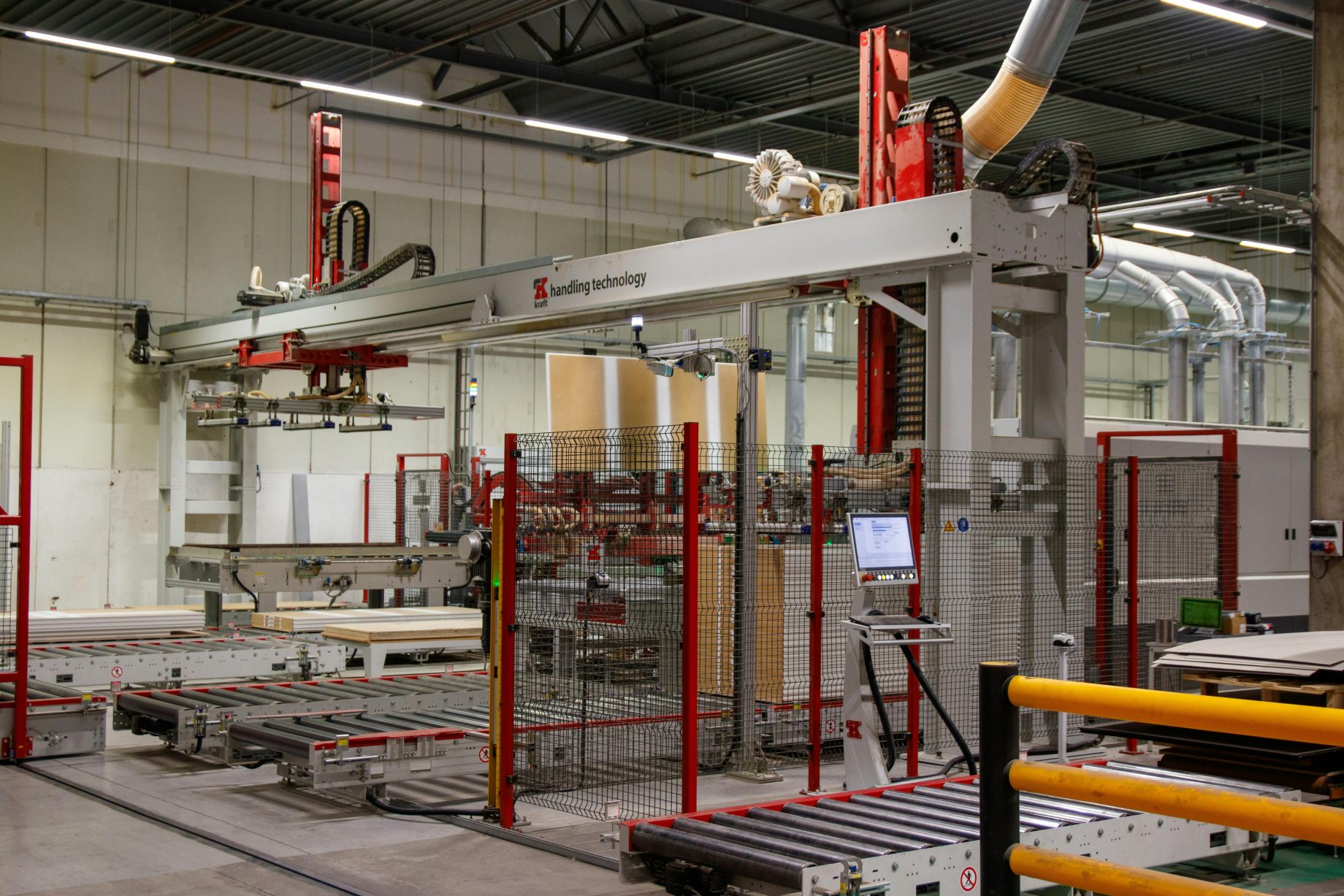
In manufacturing, 5G is enabling what is often called “smart factories.” Research and industry reports highlight how 5G supports ultra-reliable low-latency communication, allowing robotic arms, industrial controllers, and sensors to coordinate in real time without wired connections. This is a major change from traditional factory setups based on fixed Ethernet systems.
In logistics and shipping, private 5G is being used to coordinate cargo handling, track goods in real time, and automate port operations. For example, major logistics hubs such as Thames Freeport in the UK are deploying private 5G networks to support AI-driven analytics, predictive maintenance, and real-time coordination across ports and manufacturing facilities.
Beyond the above sectors, 5G is also becoming part of broader industrial ecosystems. Energy utilities are using it for remote monitoring of infrastructure, while mining companies are deploying 5G-connected autonomous vehicles and safety systems in hazardous environments.
5G is no longer just about connectivity
The evidence from industry deployments shows a clear direction of travel. As enterprises demand more automation, real-time analytics, and machine-to-machine coordination, 5G is evolving from a consumer communications upgrade into a critical infrastructure layer for Industry 4.0 and beyond.