

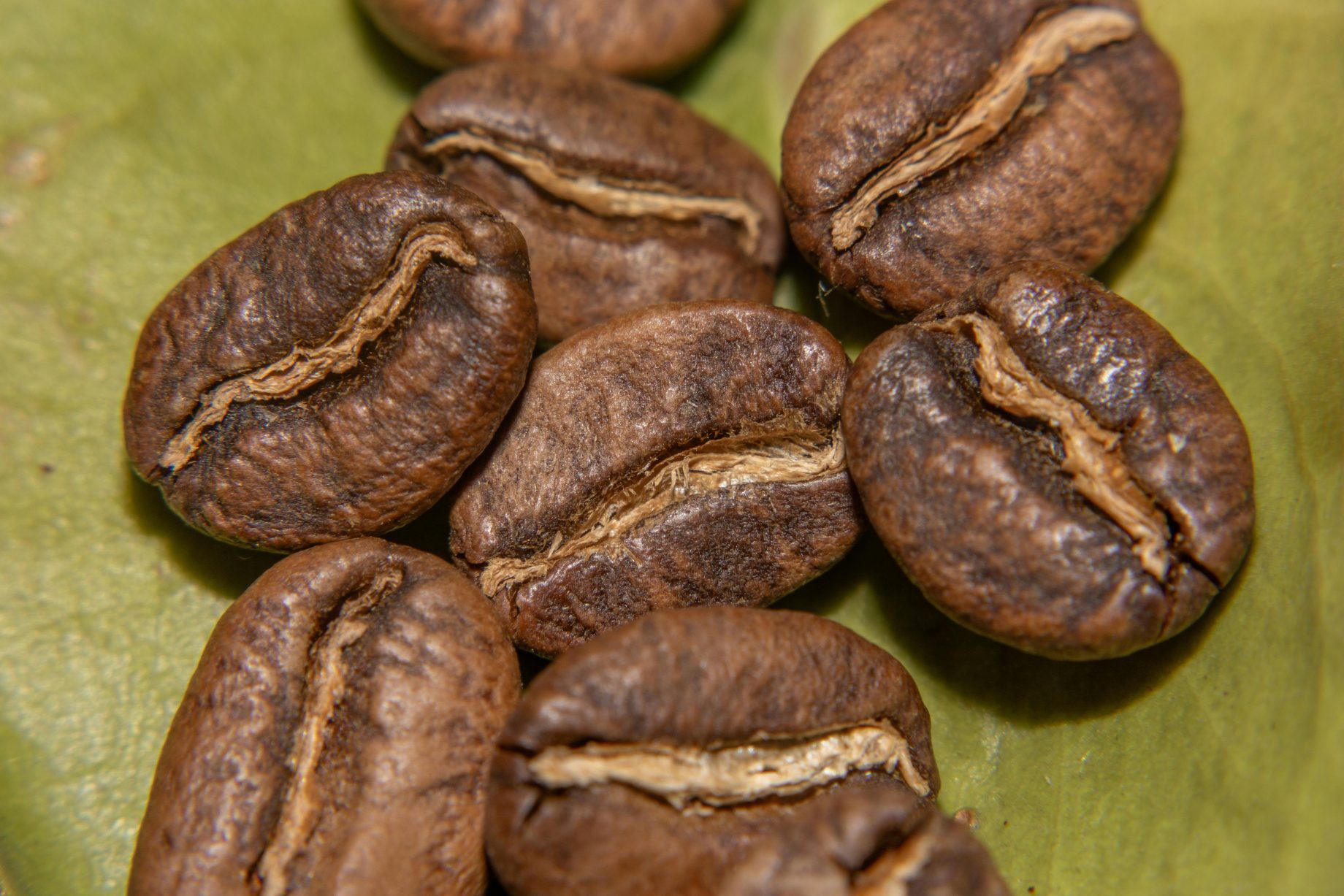
Commercial coffee growing in Aotearoa is still in its early stages as an emerging industry, with ongoing efforts in Northland focused on building a new high-value agricultural sector from the ground up.
The New Zealand Coffee Producers Association is holding its first inaugural conference. Its chairman, Peter Sheppard, said the group has nine members. He said there were now around 7,000 plants in the ground, with a further 5,000 to 10,000 currently being grown.
“We have got MPI funding for a range of trials to try different sites across Northland to see what types of soils are going to be the most optimal for growing coffee.”
“We have also organised another conference this year, and we are going to get in an expert from Kona in Hawaii, who will tell us from his experience how to not only grow, but to process the coffee to develop those special high-value characteristics of the coffee,” he said.
MPI is committing up to $486,000 to the second phase of a study assessing the viability of coffee cultivation in Northland as part of its Māori Agribusiness Extension Programme.
The project began in October 2025 and includes larger-scale testing of coffee trees, with trials scheduled to continue through to March 2028.
MPI’s acting director of the Māori Agribusiness Directorate, Māori Partnerships and Investment, Haines Ellison, said the ministry is backing the initiative due to its potential to diversify land use and provide smaller land blocks with access to a high-value crop.
Shepherd said growers are also working to broaden the range of coffee varieties cultivated in the region.
“We are getting in varieties [of Arabica] such as Geisha, SL34, Tabi and others, which are disease resistant but also the ones winning all these awards around the world.”
He said New Zealand growers would prioritise producing high-value coffee beans, which would require a different approach to cultivation.
“One thing you do to develop the high-value flavours with coffee is to ferment it with yeast,” Shepherd said. There are also ongoing discussions with the wine and beer industries, which have expertise, to collaborate on this work.