


Prime Minister Christopher Luxon has indicated that the government’s planned fuel tax increase for January 2027 is now “possibly unlikely,” a welcome move as Middle East tensions continue to squeeze household budgets.
Luxon acknowledged that a 12 cents per litre rise in fuel excise duty, originally set for next year, was increasingly unrealistic amid soaring petrol prices driven by US markets and Israel’s war with Iran.
The Prime Minister confirmed that the planned excise increase had effectively been shelved.
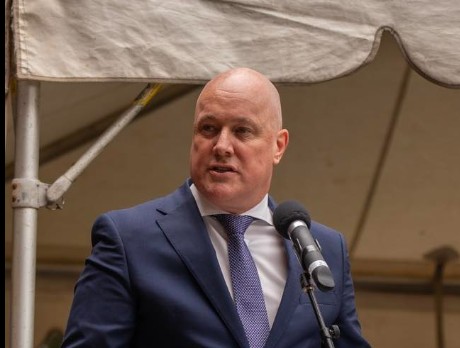
“We were due to have an increase in fuel excise tax in January next year – I think that’s possibly unlikely,” Luxon said during a conversation with Breakfast, echoing last week’s signals from Transport Minister Chris Bishop hinting at scrapping the hike.
Earlier in its term, the government had signalled a 12 cents per litre rise from January 2027, to be followed by 6 cents in January 2028 and annual 4 cent increases from 2029—a burden on Kiwi drivers already stretched by high living costs.
While delaying or cancelling the January increase will reduce funding for transport projects, it delivers immediate relief for motorists, who have faced relentless price pressure at the pump. Luxon stressed that any government support must be “timely, targeted and temporary,” avoiding broad measures that reward wealthier households more than those struggling to make ends meet.
He ruled out cutting GST on fuel, warning such measures disproportionately benefit higher-income households. Calls for free or subsidised public transport were also rejected, with the Prime Minister confirming that only “a whole range of potential support options” were under discussion.
Fuel stocks remain “in good heart,” Luxon said, but he cautioned that even a ceasefire with Iran would take months to filter through supply chains.
He also noted that New Zealand’s four-phase fuel management framework has drawn international attention, with some countries now adopting a similar approach amid their own energy challenges.