

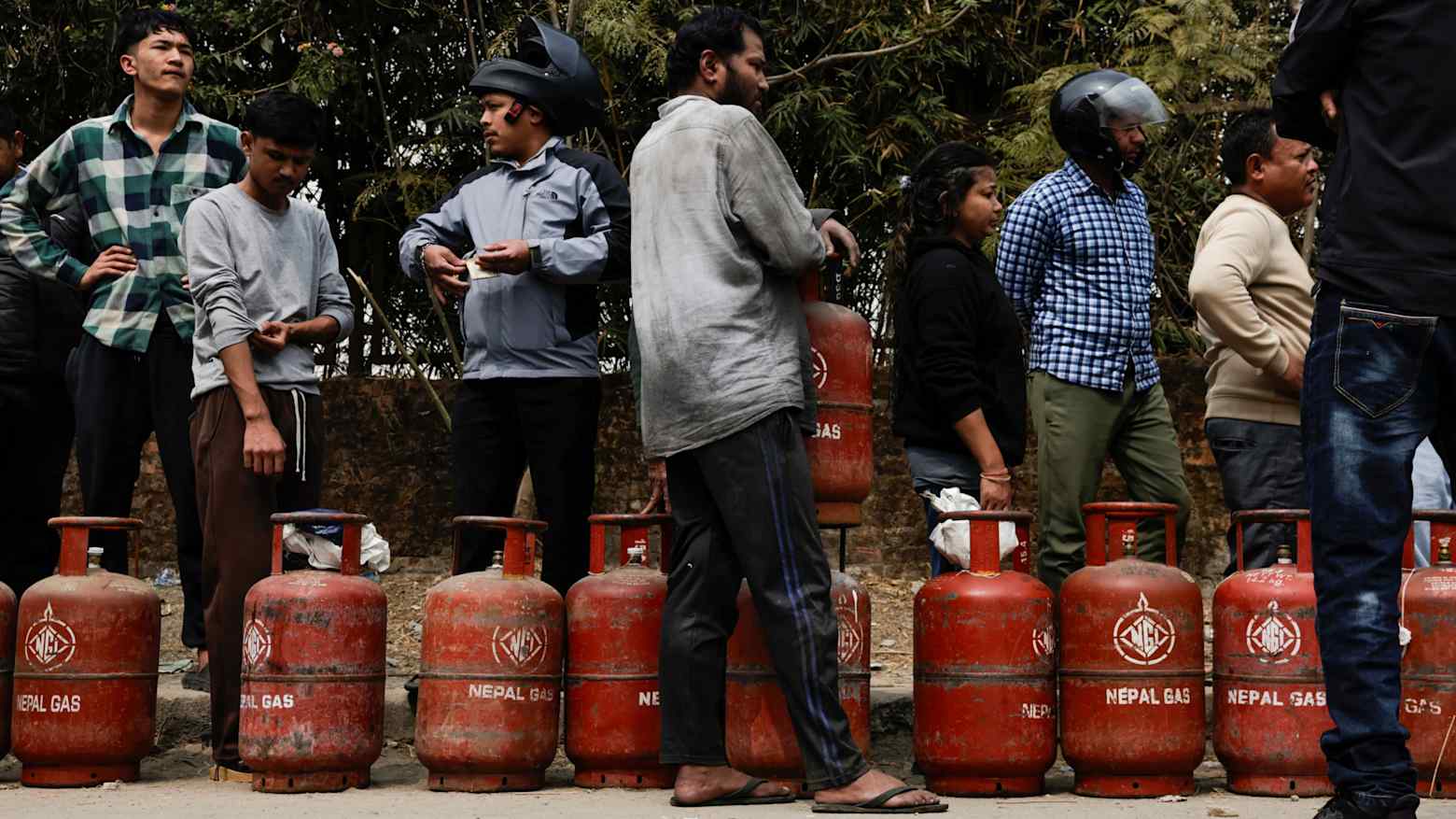
The U.S.-Israel strikes on Iran since late February have effectively sealed the Strait of Hormuz, a linchpin for global energy flows that normally channels 20 per cent of the world’s oil.
With traffic reduced to a trickle—fewer than 10 tankers daily, per Reuters—Brent crude has spiked past $120 a barrel, rattling markets from Tokyo to Singapore. Attacks on Gulf facilities have only intensified the squeeze, and Asia, which relies on nearly 90 per cent of the strait’s shipments according to the International Energy Agency, is reeling hardest.
Governments are scrambling with remote work edicts, trimmed hours, extra holidays, and campus shutdowns to husband dwindling stocks. Even China, flush with three months’ reserves, is reining in 20 per cent fuel hikes and rationing supplies. Ordinary folk are sharing stark tales with the BBC of how this distant war upends their worlds.
In the Philippines, a national emergency highlights threats to energy stability. Jeepney driver Carlos Bragal Jr watches his 12-hour earnings plummet from 1,000-1,200 pesos to 200-500.
“I have sent my daughters to school because of this job—one just graduated and the other one is a graduating student,” he said. “We had a good life. But now, we do not know what will happen to us in the next few weeks. If this continues, it will definitely kill us and our family.”
Aid falls short: “The fuel subsidy from the government isn’t enough. It’s for a two-day drive. So what happens after two days? Our situation now is worse than during the pandemic,” Carlos added. Fishers and farmers are grounding tools too.
Thailand’s TV anchors like Sirima Songklin went sleeveless on air to urge thrift. “Taking off the suit isn’t the whole solution for energy conservation, but what we did is to show that we’re not ignoring what’s happening. We were setting an example,” she told BBC Thai. “It’s unbelievable that something so small could reflect the clear impact of the current conflict in the Middle East on us.”
Sri Lanka’s Dimuthu notes the twist. “During the previous time, the country did not have money to buy fuel. Now, the country has money, but there is no fuel for us to buy.” Queues hobble workers like Nimal. “I didn’t go to work today. By the time I get back to work after getting fuel, someone else may be there as a replacement for the job.”
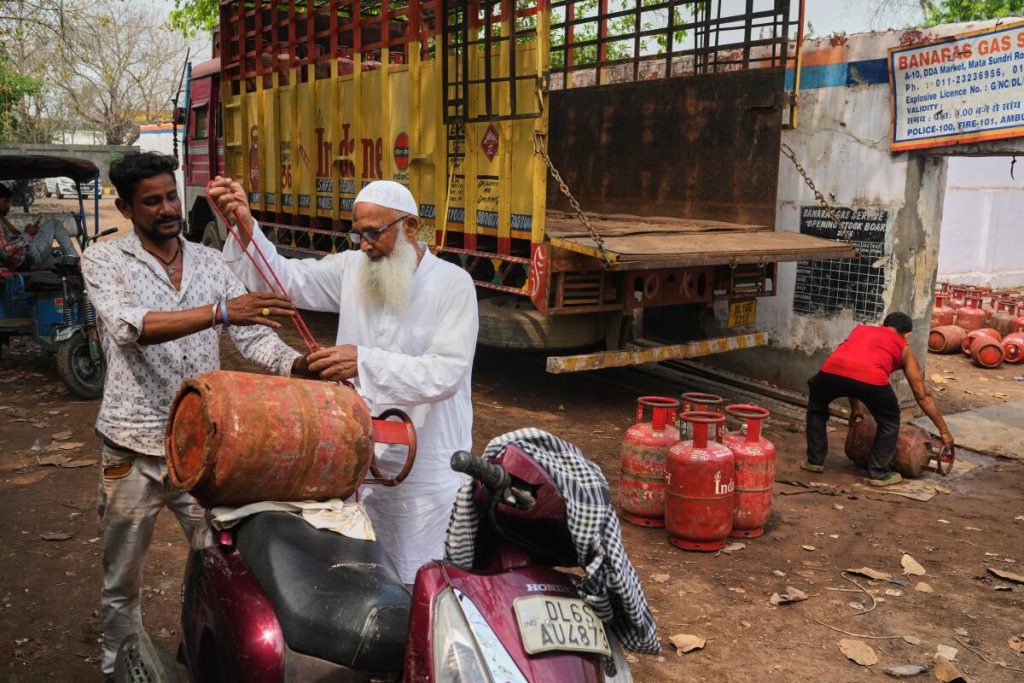
Myanmar limits cars to odd-even days, cramping social lives. Ko Htet now plans meet-ups by calendar parity. India idles Gujarat factories and Mumbai eateries; ceramics workers like Sachin Parashar face hunger. “I will have to go hungry if I continue staying here without work.” Restaurants chief Manpreet Singh laments, “The situation in restaurants is dire. Cooking gas simply isn’t available.”
As stalemate drags, Bloomberg trims Asia growth forecasts, with the IEA calling for urgent diversification.