

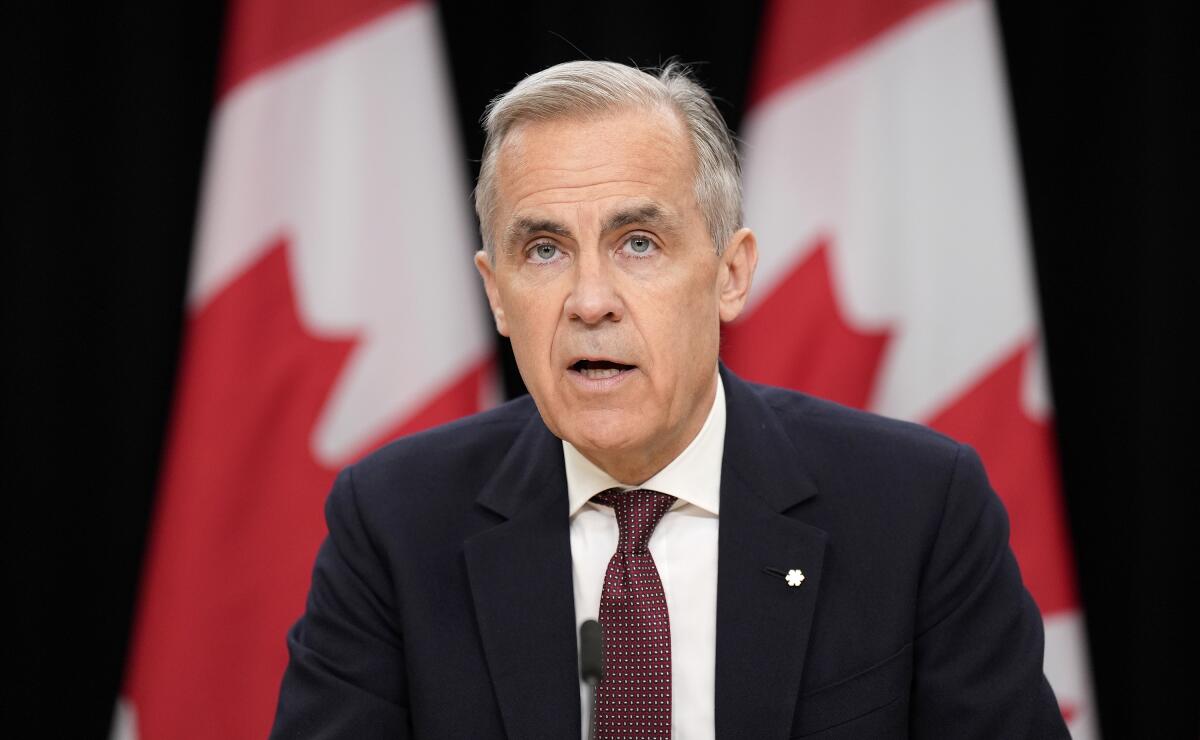
Prime Minister Mark Carney’s administration in Canada has delivered a promising spring fiscal statement, revealing deficits well below expectations due to booming oil prices and the economy’s ability to weather international trade disputes and Middle East conflicts.
The national debt now sits roughly 14% lower than previously forecast, dodging the C$78.3 billion shortfall outlined in last autumn’s budget for the 2025-26 fiscal year.
Hot on its heels comes the Canada Strong Fund, the country’s first sovereign wealth vehicle, which draws inspiration from Norway’s enormous oil-financed reserves and will direct capital towards energy infrastructure, mining, farming innovations, and artificial intelligence projects.
Carney previewed the positive tidings to journalists beforehand, crediting his team as good fiscal managers. “We were determined to get spending down with a lot of very difficult decisions,” he said on Monday.
These savings unlock major initiatives, including upskilling programmes for 50,000 workers in green technologies and vital minerals, plus an initial C$25 billion infusion into the fund. Canadians with additional savings can participate directly, promoting wider involvement in national growth.
Still, the document sounds a note of caution over longer-term pressures from looming U.S. tariffs that could hit 25% on automobiles and supply chain snarls tied to the U.S.-Israel-Iran hostilities.

“The economy is expected to continue growing, but the outlook is subject to heightened global uncertainty, including ongoing trade tensions and geopolitical risks,” it states.
Leveraging its third-largest global oil reserves at 170 billion barrels, Canada has seen exports thrive with Brent crude above $85 per barrel, powering a 2.1% GDP rise in the first quarter of 2026. To soften fuel cost pressures, the government has rolled out a brief tax holiday and a one-time grocery rebate for lower-income families.
Deficits are set to continue for five years, dipping to about C$50 billion by 2031. Opposition Conservatives under Pierre Poilievre lambast the approach as reckless, calling for drastic reductions to address debt-driven living costs.
“He’s putting the nation’s spending on the credit card, and he’s forcing families to put their personal spending on their personal credit cards to pay for his high cost of living,” Poilievre said on Sunday.
As global markets fluctuate and partnerships evolve, Carney’s strategy pivots to hydrogen and battery sectors, even as detractors highlight potential pre-election optics.