

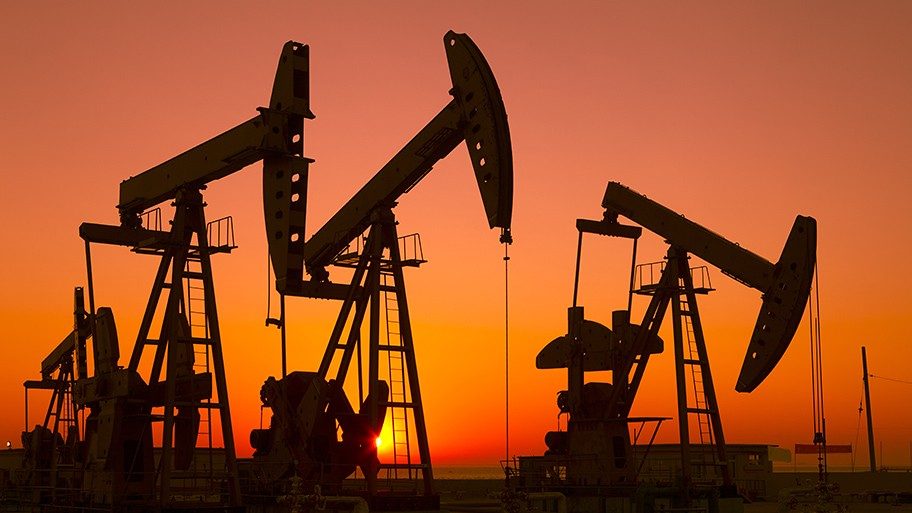
Crude oil prices surged past $100 a barrel on Sunday, approaching $110 as key Gulf producers curtailed output amid the ongoing blockade of the Strait of Hormuz by the Iran conflict.
This narrow waterway funnels one-fifth of the world’s seaborne oil, and its closure has triggered the sharpest weekly rally in U.S. crude since futures trading records began in 1983—a 35 per cent leap last week alone. West Texas Intermediate climbed 20.75 per cent, or $18.83, to $109.75 per barrel, while Brent advanced 18.2 per cent, or $16.81, to $109.48.
The last time prices breached $100 followed Russia’s 2022 invasion of Ukraine, when Brent topped $130, according to U.S. Energy Information Administration records.
President Donald Trump addressed the spike on Truth Social shortly after markets opened Sunday evening, brushing it off as a “very small price to pay” for eliminating Iran’s nuclear threat. “Only fools would think differently!” he added.
OPEC’s heavyweights are scrambling. Kuwait, the cartel’s fifth-largest producer, announced precautionary reductions in oil and refinery output on Saturday, blaming “Iranian threats against safe passage of ships through the Strait of Hormuz,” though state-owned Kuwait Petroleum Corporation disclosed no specifics.
Iraq, OPEC’s runner-up, fares worse—its three main southern fields have slumped 70 per cent to 1.3 million barrels per day from 4.3 million pre-war, Reuters sources report. The UAE, third in line, is fine-tuning offshore production to manage brimming storage while onshore sites run steadily.
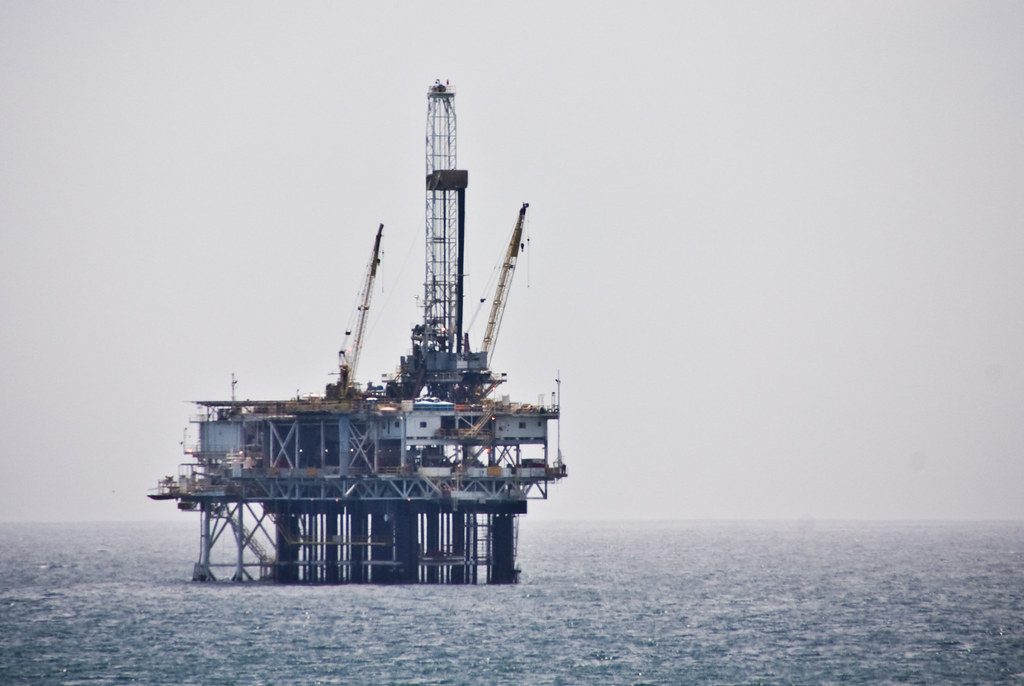
Tankers steer clear fearing attacks, leaving Gulf tanks overflowing in a scene reminiscent of 2019 skirmishes that added overnight premiums. Goldman Sachs warns of $120 oil if the strait stays shut beyond a fortnight, with IMF models eyeing 1-2 per cent global inflation hits for import-dependent economies, echoing the 1970s shocks.
The war drags on despite Trump’s claim it was “already won.” Iran has installed Mojtaba Khamenei, son of the late supreme leader killed early by U.S.-Israeli strikes, as his successor, per state media via BBC monitoring.
Energy Secretary Chris Wright offered optimism to CNN. “We’re not too long away before you’ll see more regular resumption of ship traffic through the Straits of Hormuz,” he said. “We’re nowhere near normal traffic right now. That will take some time. But again, worst case that’s a few weeks, that’s not months.”