

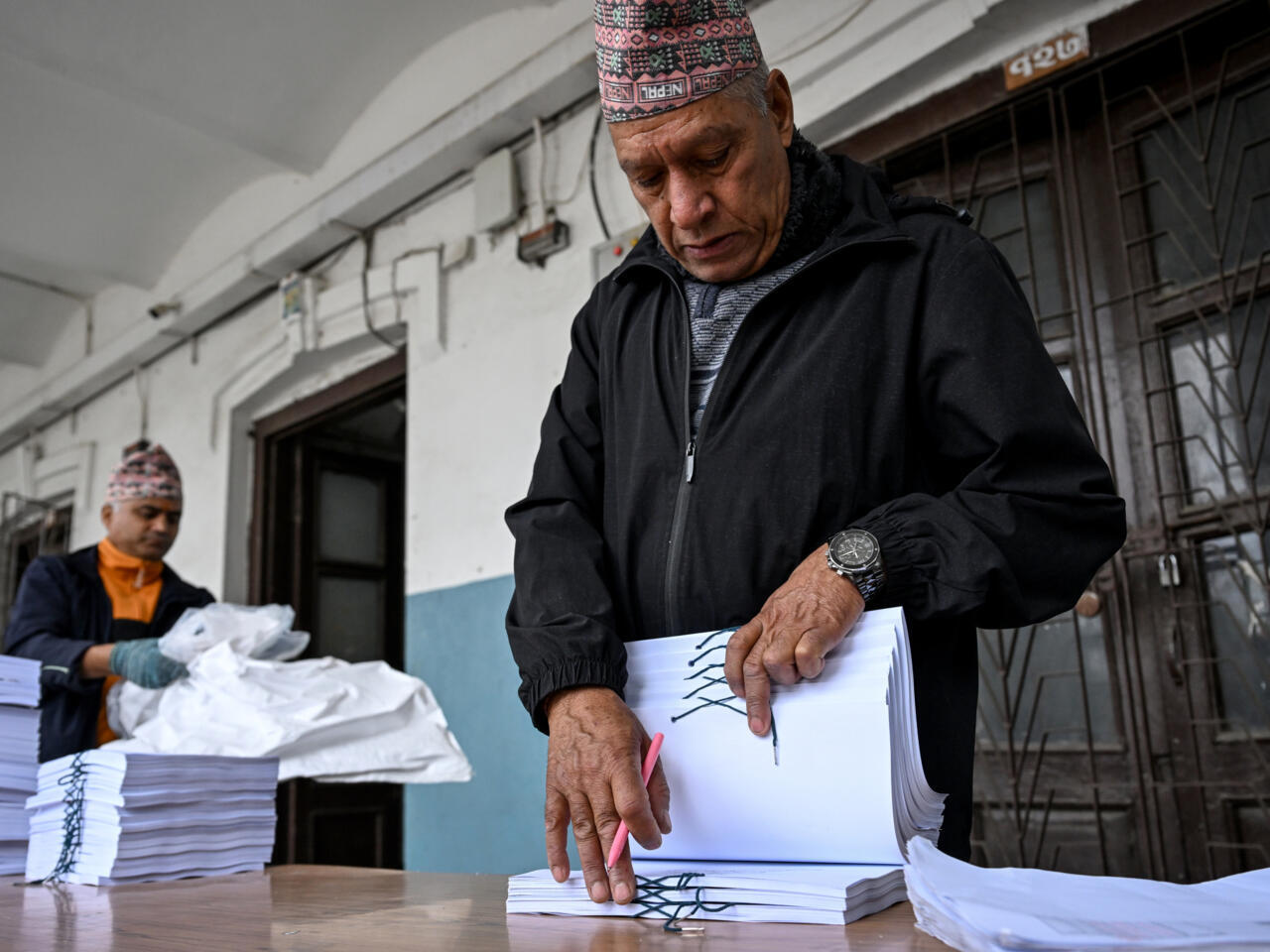
Nepal’s voters are casting ballots in a landmark general election that pits entrenched political veterans against a surging youth movement, six months after Gen Z-led unrest toppled the former prime minister and left 77 dead amid torched government buildings.
This high-stakes showdown unfolds against Nepal’s dire economic backdrop—GDP growth limped at 1.9 per cent last year, youth joblessness hit 19 per cent, and remittances sustaining a quarter of the economy have faltered as workers return home empty-handed, per World Bank and Reuters data.
What sparked as protests over a brief social media blackout swelled into fury at corruption and stagnation, fuelled by viral TikTok campaigns.
Leading the charge are figures like 74-year-old Marxist KP Sharma Oli, seeking reinstatement after his ousting; Balendra Shah, the 35-year-old rapper-turned-Kathmandu mayor embodying youthful defiance for the Rastriya Swatantra Party; and Gagan Thapa, 49, the new Nepali Congress chief aiming to end the “old age” leadership cycle, as he told AFP.
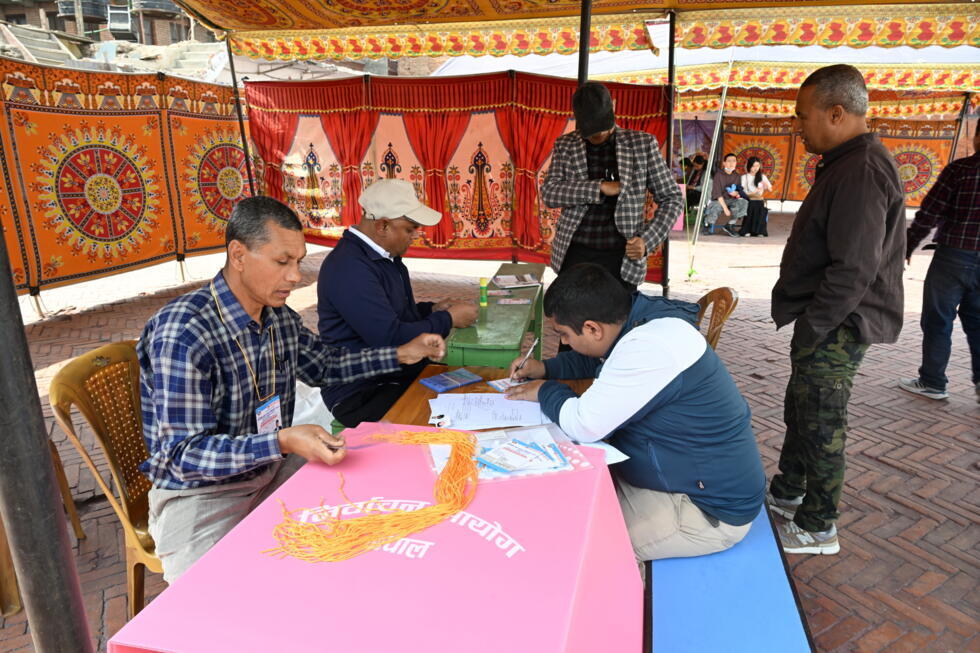
Caretaker Premier Sushila Karki urges voting “without any fear,” with troops guarding stations, while helicopters ferry supplies to Himalayan outposts near eight of the world’s highest peaks. The real drama brews in Jhapa’s plains, where all three contenders vie in Jhapa-5—Oli defending against Shah’s “bell-ringing” insurgency.
Optimism runs high. “We are so hopeful,” said Kathmandu voter Sashi Gurung, 33. “This election is not a normal election. This is going to be one of the changing points for Nepalis, for Nepal.”
Jhapa’s Shiv Shrestha, 57, agreed. “So many people, including Gen Z, sacrificed their lives. There has to be change. Corruption must stop, and more employment opportunities should be created here in Nepal. What happened last year should not happen again.”
Over 3,400 candidates seek 165 direct seats in parliament’s lower house, plus 110 proportional ones. Chief election commissioner Ram Prasad Bhandari promised direct results within 24 hours via helicopter collections, though coalitions may delay a government. Polls close at 5 pm in what could reshape Nepal’s post-monarchy democracy.