

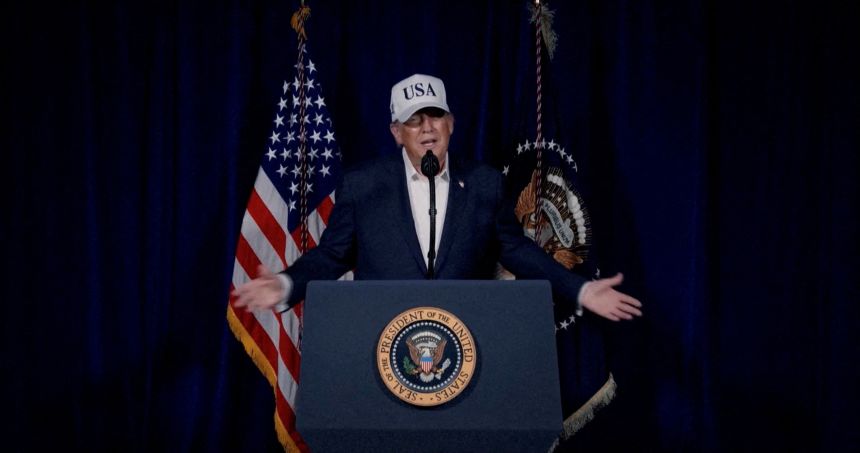
Four days into the U.S. air campaign against Iran, President Donald Trump’s ultimate aims remain elusive, fuelling anxiety across the Middle East and beyond.
Operation Epic Fury, the largest American military effort in the region for two decades, started with nuclear sites in its sights but has sparked debates over whether regime change lurks in the shadows.
Oil prices have jumped 15% on fears of prolonged disruption, while allies like Saudi Arabia and Israel offer guarded backing amid proxy threats from Hezbollah and Houthis.
Trump’s messaging—patchy social media posts and quick reporter chats—has only deepened the fog. On Monday, in his first White House remarks since Saturday’s launch, he outlined goals to dismantle Iran’s missiles, navy, nuclear programme, and proxy support, insisting it protects the U.S. and partners.
“An Iranian regime armed with long-range missiles and nuclear weapons would be an intolerable threat to the Middle East, but also to the American people,” Trump said. Yet he dodged post-war visions for Tehran or lasting threat elimination.
This contrasts his initial call for Iranians to “take back your government,” seen as regime-overthrow bait after Supreme Leader Ayatollah Ali Khamenei’s death. “The attack was so successful it knocked out most of the candidates,” he told ABC News. “It’s not going to be anybody that we were thinking of because they are all dead. Second or third place is dead.”
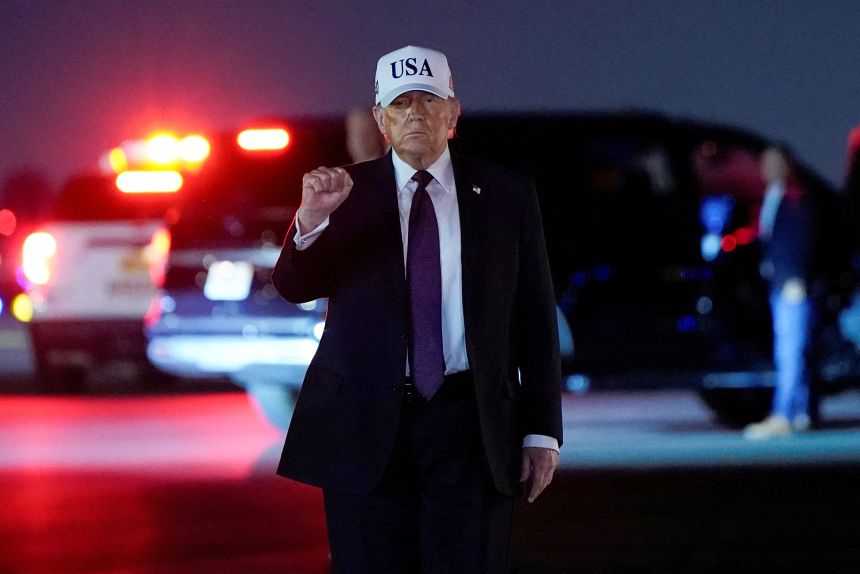
Team rifts emerged too. Defence Secretary Pete Hegseth rejected regime-change talk. “This is not a so-called regime change war, but the regime sure did change.” General Dan Caine warned of “difficult and gritty work” ahead, with six U.S. deaths already from Iranian reprisals on Jordan, Bahrain, and UAE.
Capitol critics pounce. “The Trump administration still has not given any detail on where Iran’s nuclear programme was at,” said Representative Adam Smith. Ex-CIA chief David Petraeus called Khamenei’s killing a “historic achievement” but cautioned against uprisings.
“Unfortunately, in most cases like this it is the guys who have the most guns and the most thugs and who are willing to be most brutal who prevail.” He doubts ground troops. “No, the president has clearly said that won’t be the case.”
Trump’s unorthodox style—eschewing formal addresses—breaks precedent. He eyes “four to five weeks” or “whatever it takes.” As casualties mount and markets wobble, clarity feels distant.