

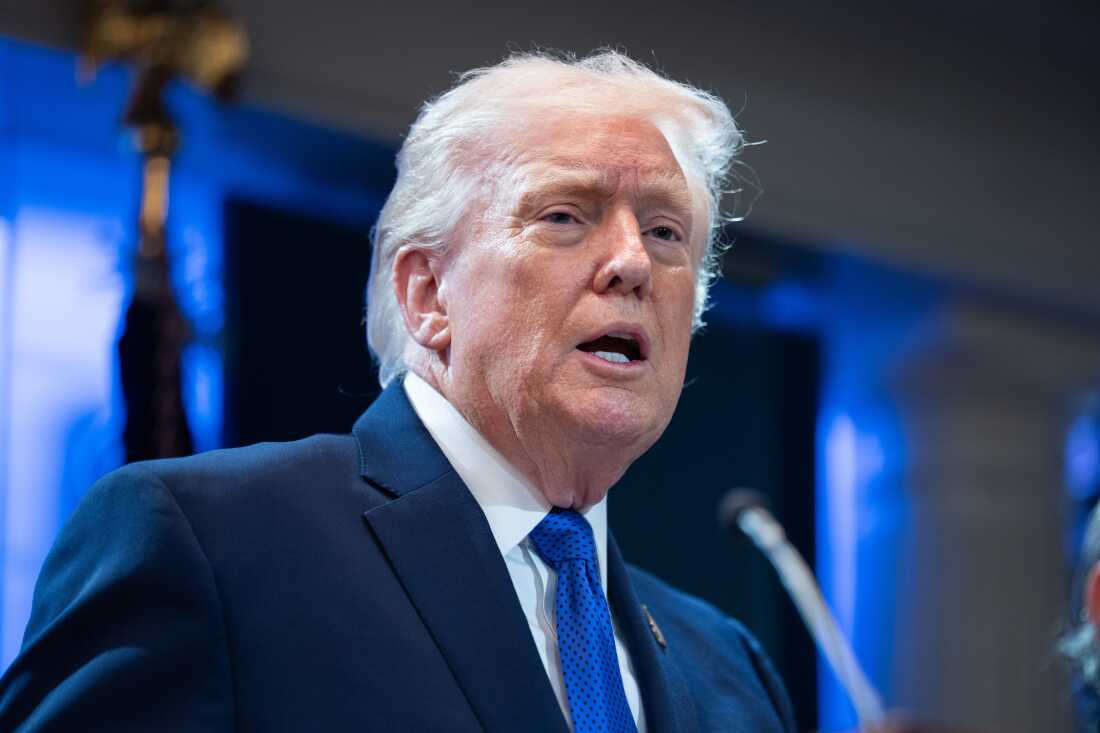
U.S. President Donald Trump has vowed to enact the top allowable worldwide import tariffs of 15 per cent, countering a Supreme Court ruling that quashed his prior broad trade levies.
Under Section 122 of the 1974 Trade Act, this obscure tool allows temporary duties up to 15 per cent for 150 days to address payment imbalances, bypassing standard reviews.
Trump proposed 10 per cent on Friday to replace the invalidated ones, then boosted it to the limit on Truth Social Saturday, blasting the court’s “ridiculous, poorly written, and extraordinarily anti-American decision on Tariffs issued yesterday.”
In a 6-3 ruling, the Supreme Court deemed Trump’s invocation of the 1977 IEEPA an overreach of presidential authority—tariffs being a congressional prerogative—with the U.S. having collected at least $130 billion under it. Trump shamed “certain members of the court” and called dissenters “fools.”
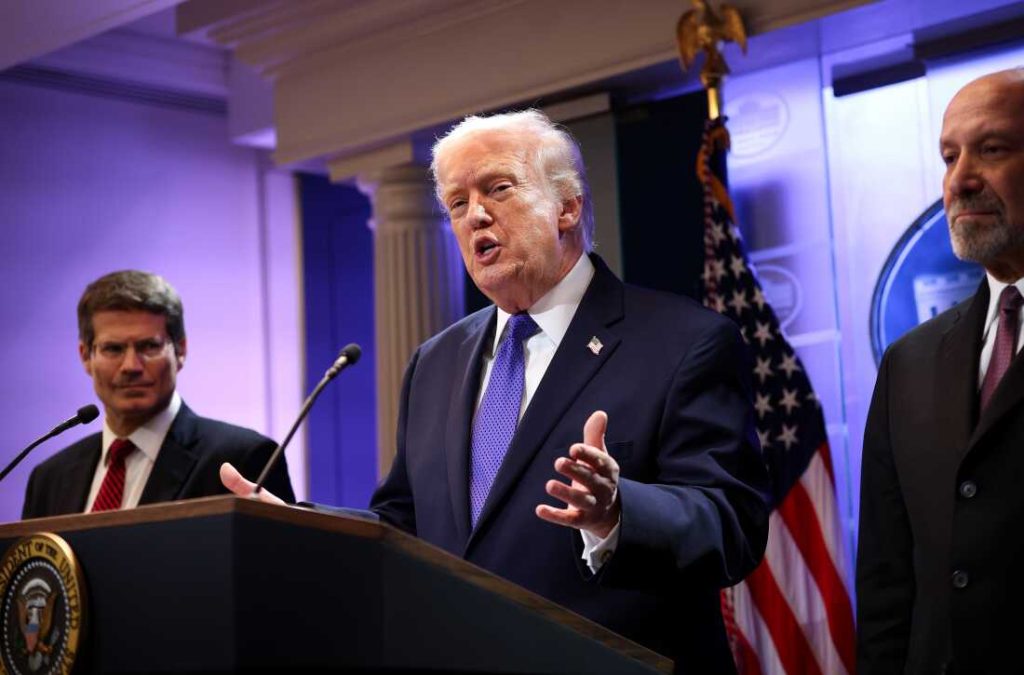
Set possibly for 24 February, the levies threaten deals with the UK and Australia, though exemptions cover steel, aluminium, drugs, vehicles, aerospace, minerals and lumber.
The UK expects its privileged trading position with the U.S. to persist, but William Bain of the British Chambers of Commerce fears it “could be worse for British businesses.” Bernd Lange plans to pause EU-U.S. deal ratification Tuesday over “several issues” as EU steel exports to the U.S. dropped 30 per cent last year. Trump’s tariffs aim to cut the 2025 trade deficit of $1.2 trillion.
The ruling spurs refund bids; Trump foresees long fights, but U.S. Chamber’s Neil Bradley seeks swift refunds for 200,000 small importers.
Senator Maria Cantwell pressed Treasury’s Scott Bessent. “Given this Administration has illegally collected hundreds of billions of dollars from American businesses, that now must be refunded, I am requesting detailed information about how the Administration plans to fairly and expeditiously reimburse the payors of those tariffs.”
Legal experts doubt Section 122’s use, eyeing challenges.