


Cuts to global development aid could result in 9.4 million preventable deaths by 2030, according to a new Lancet Global Health study—one year after the Trump administration dismantled USAID.
The shutdown led to HIV clinic closures in South Africa, halted healthcare in Afghanistan, and ended fights against malnutrition in Nigeria and malaria in Africa. The UK, Germany, Canada and others followed with their own reductions, many starting in 2026–27, intensifying the impact.
ISGlobal researchers, funded by Spain and Rockefeller Foundation, modelled data from 93 aid-dependent nations. Current trends predict 9.4 million extra deaths (2.5 million under-fives); deeper cuts could hit 22.6 million.
“Our analyses show that development assistance is among the most effective global health interventions available. Over the past two decades, it has saved an extraordinary number of lives and strengthened fragile welfare states and healthcare systems,” said coordinator Davide Rasella of ISGlobal.
“Withdrawing this support now would not only reverse hard-won progress but would translate directly into millions of preventable adult and child deaths in the coming years,” Rasella stated.
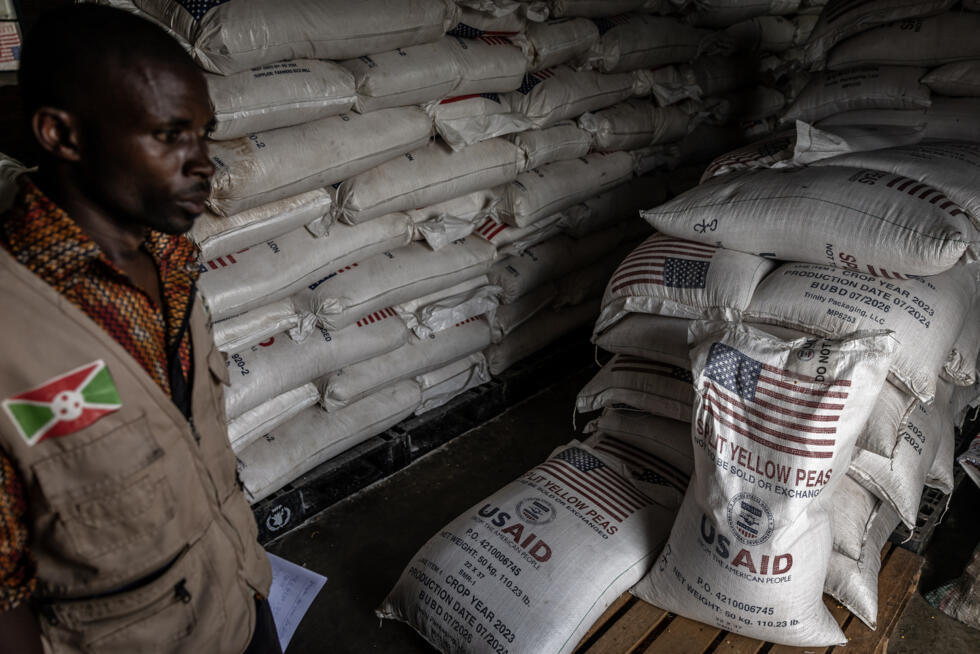
Aid drove 39% fewer under-five deaths from 2002–2021, plus 70% drops in HIV/AIDS and 56% in malaria and nutrition fatalities. The U.S., top donor at 47% of 2024 UN appeals (1% of its budget), shifted focus post-USAID.
A U.S. State Department official called The Lancet a “failed journal” with studies “rooted in outdated thinking, insisting that the old and inefficient global development system is the only solution to human suffering. This is simply not true.”
“Rather than helping recipient countries help themselves, the old system created a global culture of dependency, compounded by significant inefficiency and waste,” the official added. Secretary Marco Rubio framed it as “prioritizing trade over aid, opportunity over dependency, and investment over assistance.”
Experts note modelling limits but confirm immediate deaths. “What we can say with confidence is these cuts are already killing people. We’re flying blind,” said Refugees International’s Jeremy Konyndyk. “But we see evidence that people are dying already. It’s primed to get a lot worse.”
Mitigations like philanthropy and U.S. bilateral deals exist, but risks of corruption and gaps in nutrition persist. Families face poverty traps via debt and dropouts.