

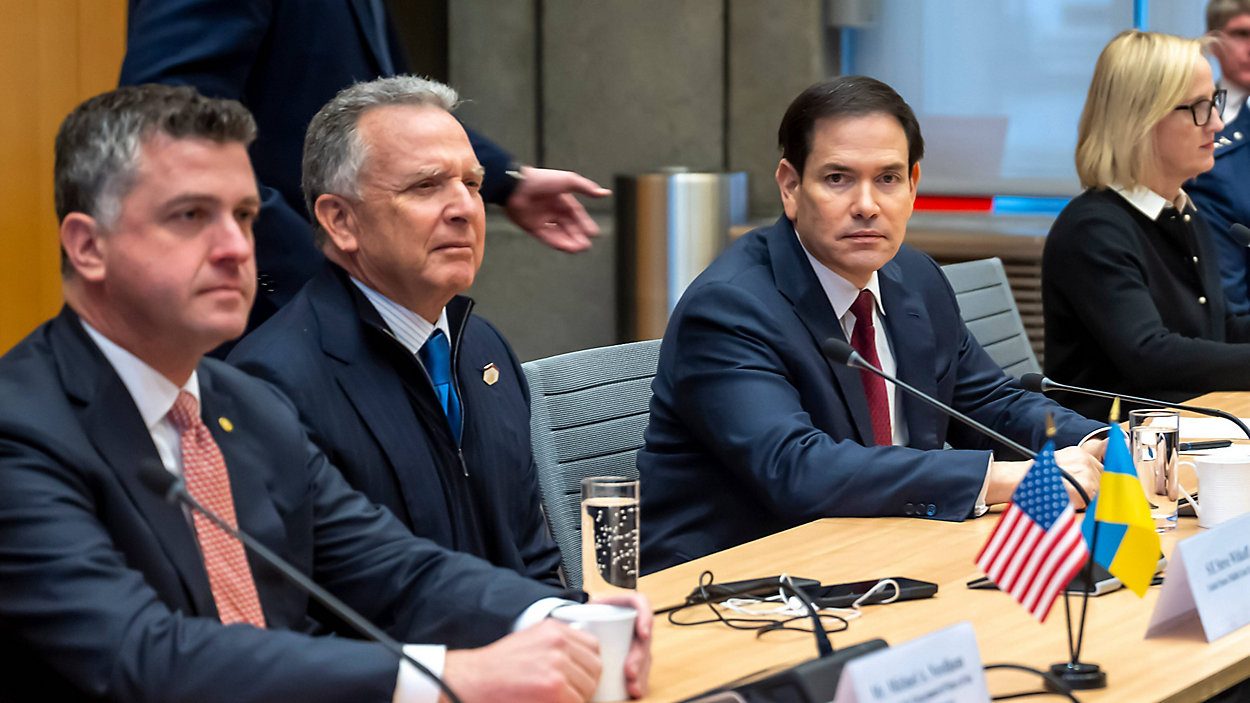
U.S. Secretary of State Marco Rubio has reported notable progress in peace talks in Geneva aimed at ending the war between Russia and Ukraine, though some issues remain unresolved.
The discussions revolve around a 28-point peace proposal developed in the U.S. under President Donald Trump. The plan includes significant demands such as Ukrainian troop withdrawal from parts of Donetsk, recognition of Russian control over Donetsk and Luhansk, formalisation of the annexation of Crimea, and freezing borders in southern regions held by Russia.
It also limits Ukraine’s military to 600,000 personnel and bars the country from joining NATO, instead offering unspecified security guarantees.
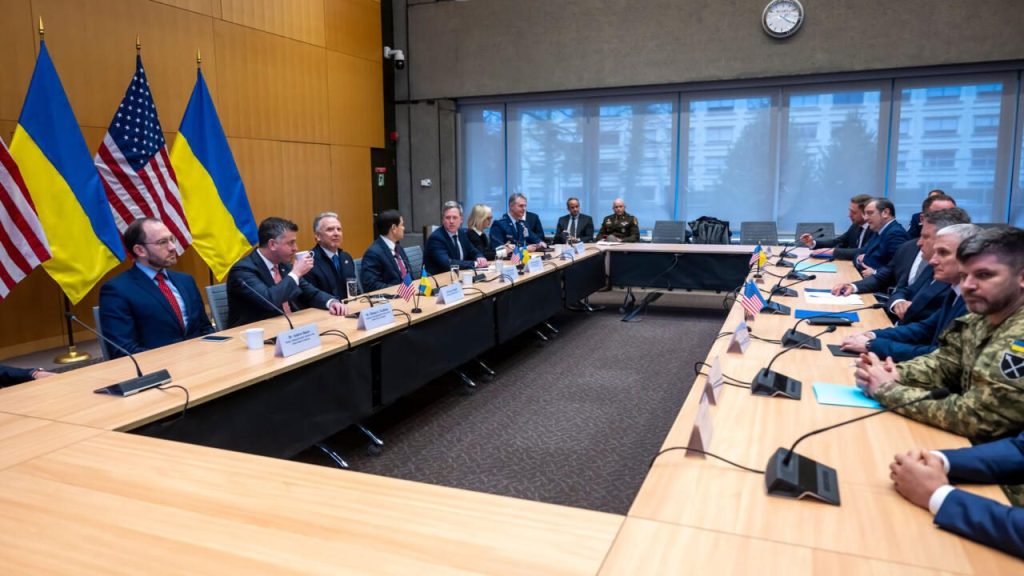
Ukrainian President Volodymyr Zelenskyy expressed cautious optimism, stating there were “signals that President Donald Trump’s team is hearing us,” while both sides agreed to continue intensive negotiations ahead of a Thursday deadline. Rubio emphasised that any final accord would require approval from the presidents of Ukraine and the U.S. before being presented to Russia.
Trump criticised Ukraine’s leaders for “zero gratitude” towards U.S. diplomatic efforts and highlighted Europe’s ongoing purchases of Russian oil as undermining sanctions against Moscow. Despite reports of alternative peace proposals from European allies, Rubio denied their existence, reaffirming the U.S.-led nature of the current plan with inputs from both Kyiv and Moscow.
While the talks have narrowed many open issues, the complex requirements around territorial concessions, military restrictions, and diplomatic guarantees suggest the peace process remains fraught with challenges.