

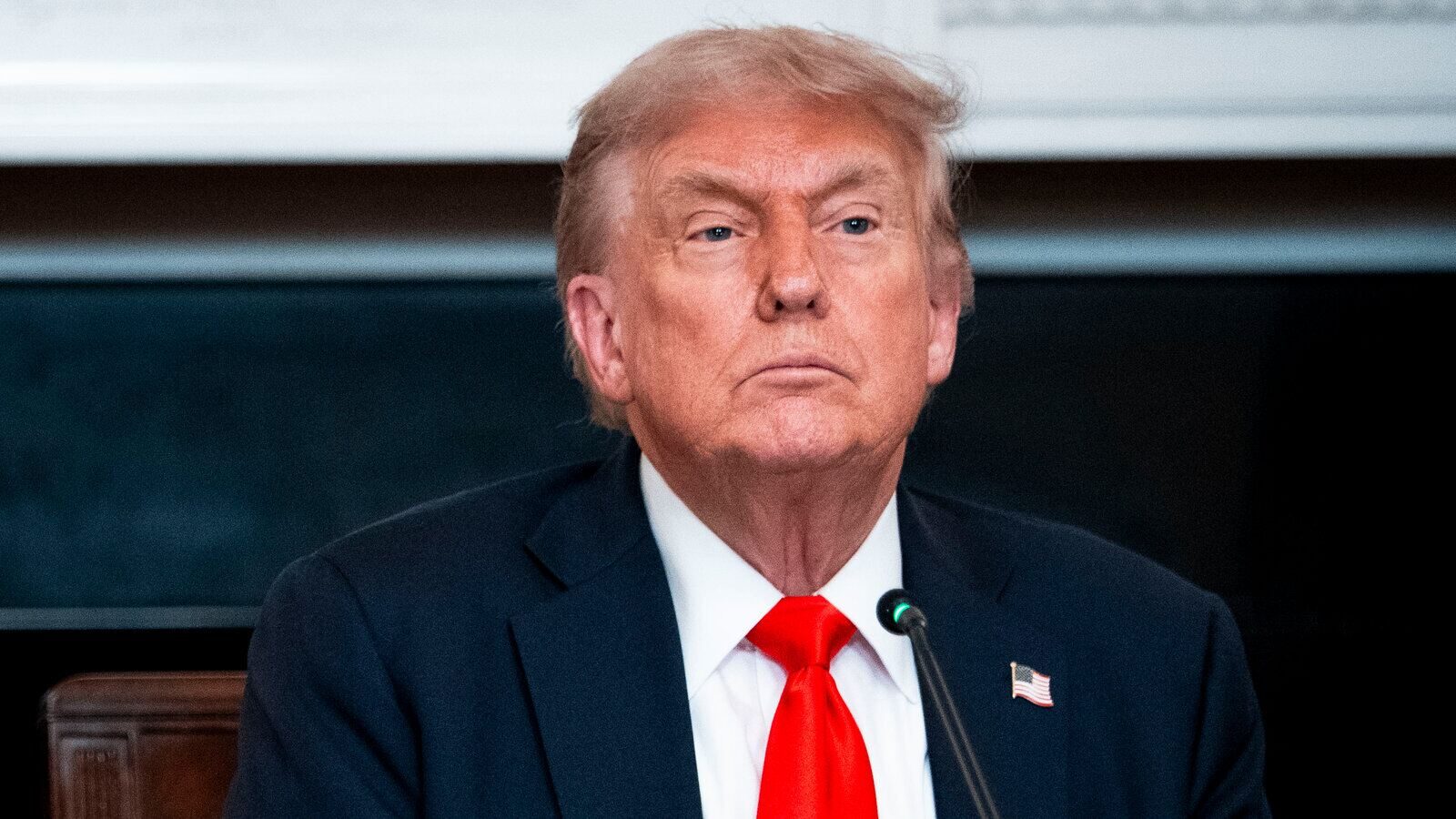
U.S. President Donald Trump has decided not to attend the Supreme Court oral arguments on Wednesday regarding the challenge to his tariff measures. Although he had earlier expressed a desire to be present—potentially becoming the first sitting U.S. president to attend—the decision was reversed to avoid diverting focus from the importance of the Court’s ruling.
Trump described the case as “one of the most important and consequential Decisions ever made by the United States Supreme Court.” He warned that a loss could leave the U.S. “a weakened, troubled, financial mess for many, many years to come.”
The Court is set to examine whether Trump exceeded his authority by imposing reciprocal tariffs on April 2, 2025 on imports from nearly all countries. These tariffs range from 10% up to 50% on imports from Brazil and India. The legality of the “fentanyl tariffs” on goods from China, Canada, and Mexico is also under scrutiny, tariffs Trump justified as necessary to prevent the flow of the deadly drug into the U.S.
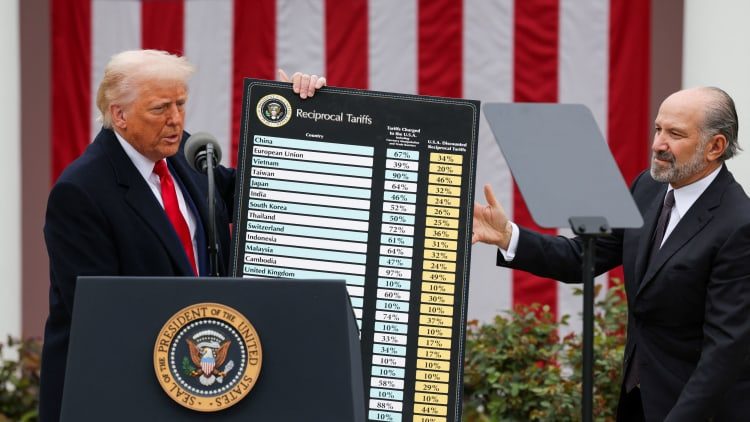
Trump imposed the tariffs using the International Emergency Economic Powers Act, a law usually reserved for national emergencies but not traditionally used for tariffs. If the Court overturns these tariffs, it could reshape presidential authority over trade.
Trump argued, “If a President is not allowed to use Tariffs, we will be at a major disadvantage against all other Countries throughout the World, especially the ‘Majors.’” He stated that the U.S. would be “defenseless” without this power.
The administration’s position will be represented by Treasury Secretary Scott Bessent. The case carries broad implications for U.S. trade policy, business interests, and the balance of executive power, with many companies already reporting financial hardship due to the tariffs.
This Supreme Court decision is likely to set a significant precedent on presidential powers and the use of emergency authority in economic policy.