

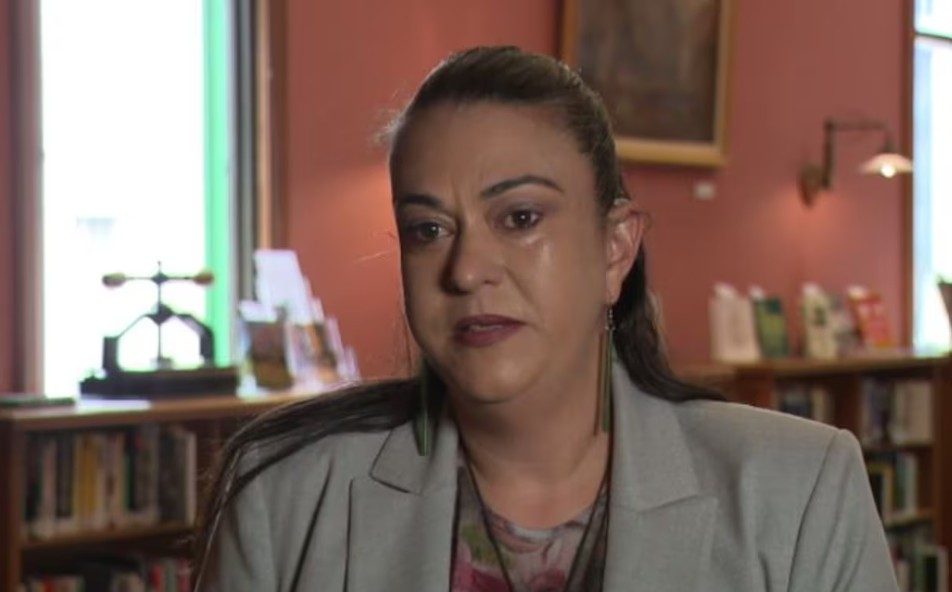
Minister for Children Karen Chhour stated that reported harm in Youth Justice and Care and Protection residences has declined by 14% since 2024.
However, that represents only one of four categories monitored by Oranga Tamariki, and the previously released statement did not address the 4% rise in recorded harm within the broader state care system.
The Children’s Commissioner and the Independent Children’s Monitor issued their own statement calling for a more thorough and careful evaluation.
They acknowledged the reduction in harm within government facilities but pointed out that it represented only three fewer children affected, decreasing from 118 in 2024 to 115 this year.
The Oranga Tamariki report providing the data also shows that reported harm in those facilities has risen from only 22 cases in 2021.
Children’s Commissioner Claire Achmad said it is unacceptable for overall harm in state care to have risen, with 530 reports of children being harmed in the past 12 months.
“And actually there has been a higher number of findings of harm in care as well, 896 … what that tells us is that for some of these children, in fact around 21%, they have actually experienced multiple incidences of harm.”
“We are talking about really serious harm, including physical abuse, sexual abuse, emotional abuse and neglect.”
In non-family care, there are 3,336 children or young people in total, with 178 (5%) experiencing reported harm. Within the care of the wider family, there are 2,225 individuals in total, with 140 (6%) having reported harm.
In return home care with parents, there are 1,019 individuals in total, with 134 (13%) experiencing reported harm. In residential care (managed facilities), there are 503 individuals in total, with 115 (23%) experiencing harm.
“Presenting the data in this way supports a deeper and more nuanced understanding of the environments where harm can occur and reflects the complexity that can arise in different care settings.”
“By focusing on context and patterns, we aim to support meaningful learning and improvement, rather than assigning blame, and ensure that the voices of tamariki remain central to how we interpret and respond to harm.”
Labour’s children’s spokesperson, Willow Jean Prime, said the minister was politicising the issue.
“The minister cherry-picking certain data to make a political point or score political points is unacceptable when we see that the data in the report shows there’s actually been an overall increase in children harmed,” she said.
Meanwhile, the minister did acknowledge the overall increase and noted that the initial statements lacked the broader context.
“The data shows a disproportionately higher number of children and young people living in return- or remain-home placements experienced harm.”
“I was focusing on residential care, because we’ve never had a decrease in residential care and harm in residential care ever. The staff have worked really, really hard to make sure that there’s a turnaround and we’re seeing a positive difference,” she said.
“I have heard that there is a concern that I’m focusing just on one area of Oranga Tamariki, but what I would say is that area was underinvested in for so long that we need to actually talk about the wins.”
She argued that much of the harm occurring outside those residential facilities is beyond the government’s control.
“60% of that harm actually happens out in the community – not by the caregivers, not by the person that is responsible for the children.
“That could include things like a young person going to school and getting beaten up at school … it could be a child walking to school and getting attacked by a stranger.
“That’s kind of out of the hands of Oranga Tamariki when a young person is out in the community. But what I can do is we can look at support services out in the community to prevent that particular area of harm.”