

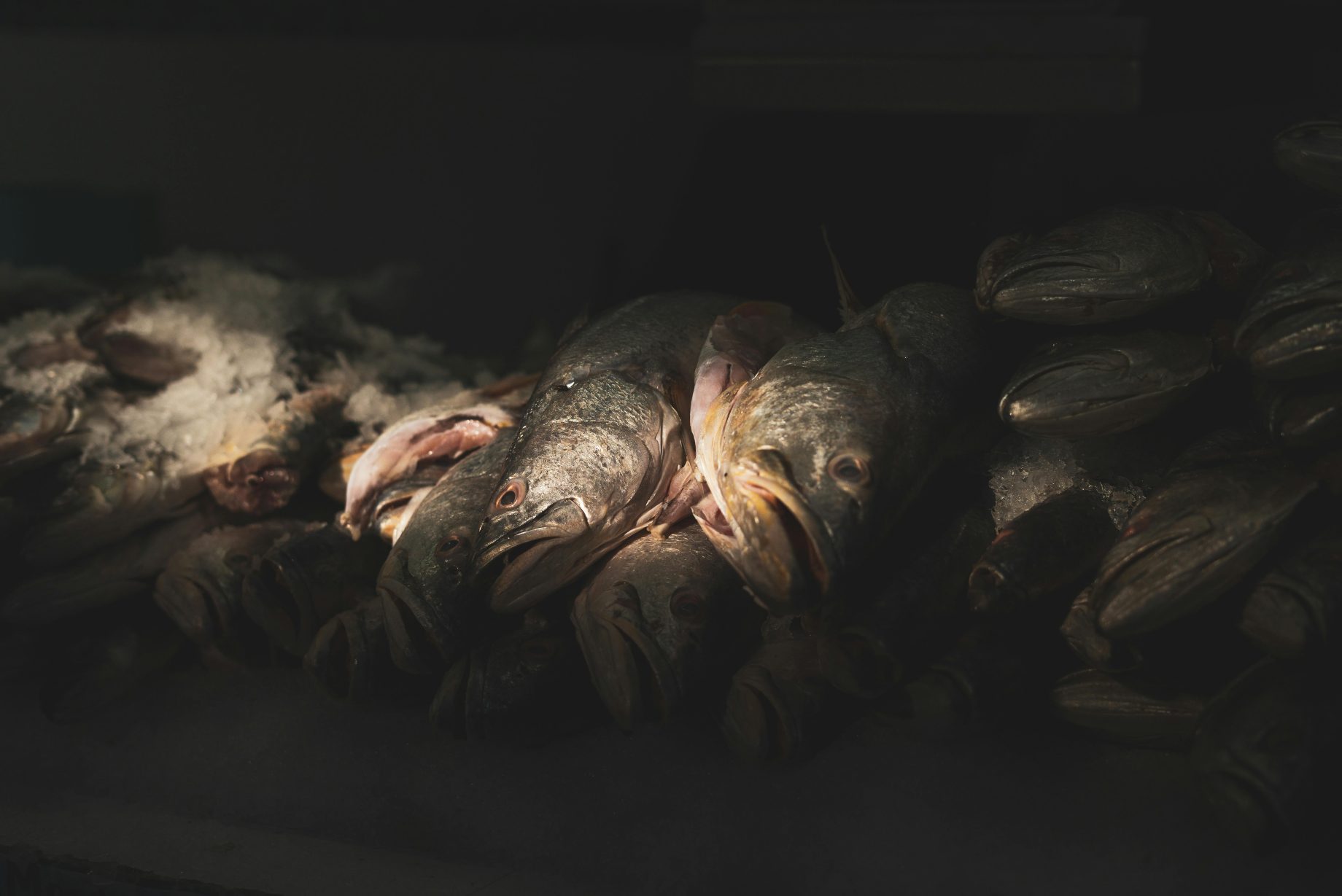
Oceans and Fisheries Minister Shane Jones has dismissed the idea of implementing an animal welfare code for aquaculture, describing it as “anti-Kiwi”.
Animal Welfare Code for Aquaculture
The SPCA has advocated for an animal welfare code to safeguard farmed fish, especially in light of the government’s goal to increase the industry’s annual revenue to $3 billion by 2035.
Marie McAninch, an SPCA scientific officer, noted that establishing a welfare code could also enable the aquaculture sector to access international markets similar to those available to land-based farmers, who benefit from established animal welfare standards.
McAninch said New Zealanders are worried about the treatment of farmed animals, and international consumers of our products share this concern.
“They’ll expect that farmed fish in aquaculture are treated well and that their welfare meets our animal welfare laws.”
“A code of welfare for aquaculture would help make that happen. But right now, New Zealand’s Aquaculture Strategy – and the Aquaculture Development Strategy that Shane Jones announced in March – are both completely silent on the welfare of the animals being farmed.”
Oceans and Fisheries Minister Reacts
Oceans and Fisheries Minister Shane Jones stated that he has no plans to consider implementing an animal welfare code.
“I think these impositions are anti-Kiwi. We are in the midst of a set of economic challenges where we must expand and grow the footprint of aquaculture,” Jones said.
“All of these animal husbandry businesses – there’s always scope for improvement. But regulatory codes … only represent red tape, and at a deeper level, where does all this end? We’re a small economy, and a lot of these impositions are, in my view, indulgences. They’re vanity projects, and these debates need a clear set of contrasting views.”
“I can understand that little kittens and dogs that bite children and other welfare considerations [are] an established part of rural life and our ethos, but suggesting that people grow salmon, new fish species and indeed shellfish … we already have a system through the Resource Management Act that deals with the effects of such activity.”
Jones referred to the recent public uproar from animal advocates over octopus farming—recognising octopuses as sentient beings—as “the height of this folly.” While octopus farming has been banned in Washington and California due to animal welfare issues and is under consideration for bans in three additional states, Jones argued that New Zealand cannot afford to engage in such “luxury indulgences”.
“It’s not something that I’m going to encourage; it’s certainly not something I’m going to push forward or agree with at a time we have large competing objectives and other goals that I think society should set its mind upon.”
SPCA Responds
SPCA scientific officer McAninch explained that fish are legally acknowledged as sentient beings, meaning they can experience pain, stress, and positive emotions.
According to McAninch, while the SPCA was not against aquaculture, “We do believe it’s crucial to make sure all farmed animals – and any wild animals affected by these systems – are properly protected.”
“Our land-based farming sectors take pride in their animal welfare codes, and it’s helped them with access to international markets. If the aquaculture sector doesn’t plan for this now, they risk falling behind in a global environment where factory farming is increasingly under scrutiny.”
McAninch stated that the SPCA is open to discussions with the minister on how a welfare code could support the sustainability and resilience of the aquaculture sector.