

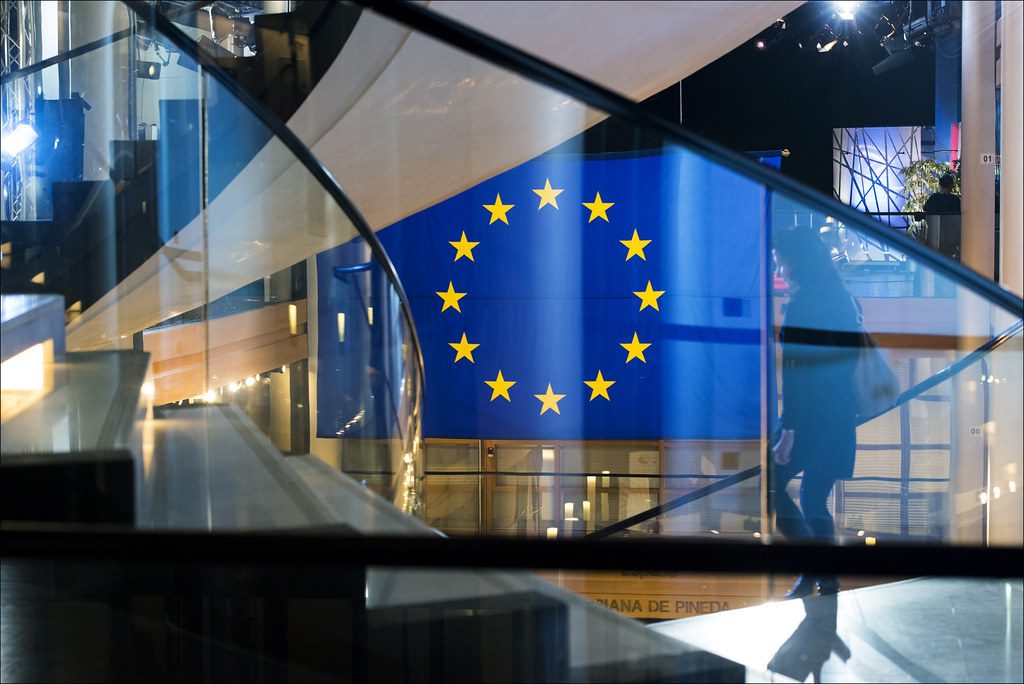
The European Union has strongly condemned the United States’ recent decision to double tariffs on steel imports, a move announced by President Donald Trump that threatens to further escalate tensions in the ongoing trade dispute between the two economic powers.
The EU has warned that increasing tariffs from 25% to 50% not only destabilises the global economy but also risks undermining diplomatic efforts that aim to achieve a negotiated resolution.
The EU also confirmed it is prepared to implement retaliatory measures in response to the latest tariff hike, showing readiness to protect its industries and workforce.
The tariff increase has also drawn sharp criticism from labour unions, particularly the United Steelworkers (USW), which represents many workers in the steel sector across North America.
President Trump announced the tariff increase during a rally at a U.S. Steel plant in Pennsylvania on Friday. This move intends to protect American manufacturing by imposing steep duties on imported steel and aluminium, which he argues threaten national security and domestic employment. The new 50% tariff rate is scheduled to come into effect on June 4.
During the rally, Trump also referenced a pending deal between U.S. Steel and Japan’s Nippon Steel, describing it as an agreement that would safeguard jobs. However, he acknowledged the arrangement was not yet finalised, assuring the crowd that the deal would result in “no layoffs and no outsourcing whatsoever.”
This announcement followed earlier signals that the administration might approve the controversial partnership, which has been closely scrutinised for its potential impact on the domestic steel market.
Previously, the EU had suspended its retaliatory tariffs on U.S. goods in mid-April to provide a window for constructive dialogue. However, with the recent tariff increase, Brussels has made clear it will reinstate and possibly expand its countermeasures if no mutually acceptable agreement is reached.
“The European Commission is currently finalising consultations on expanded countermeasures. If no mutually acceptable solution is reached, both existing and additional EU measures will automatically take effect on July 14—or earlier, if circumstances require,” an EU spokesperson noted.
These countermeasures could include tariffs on a wide range of American products, potentially escalating the trade conflict and affecting industries beyond steel and aluminium.
The Trump administration’s tariff programme has also faced legal challenges. Earlier this week, the U.S. Court of International Trade ruled that President Trump had exceeded his authority by imposing country-specific tariffs, effectively blocking most of these measures.
Although an appeals court temporarily stayed the ruling, this legal development has cast doubt on the administration’s ability to enforce its trade policies unilaterally. The judicial pushback undermines the administration’s strategy, which relies heavily on the threat of high tariffs as leverage to renegotiate trade agreements and protect American industries. The legal uncertainty may also affect ongoing negotiations with key trading partners, including the EU, Canada, and Japan.
Economists warn that such tit-for-tat policies risk disrupting supply chains, increasing production costs, and slowing economic growth worldwide. The Organisation for Economic Co-operation and Development (OECD) recently highlighted that escalating trade barriers could reduce global GDP by up to 1.5% over the next few years if left unchecked.
Industry leaders from both sides of the Atlantic have expressed concern that the tariff increases will raise prices for manufacturers and consumers, potentially leading to job losses in sectors dependent on affordable raw materials.