

A fresh development has emerged in the ongoing legal dispute over tariffs introduced during Donald Trump’s presidency, as a United States appeals court has temporarily reinstated the contested duties. This follows a ruling by the U.S. Court of International Trade, which had previously declared the majority of Trump’s tariffs unlawful, raising questions about the extent of presidential authority over trade.
The tariffs in question were a central element of Trump’s economic policy, designed to protect American industries and address what the administration described as unfair trading practices by countries such as China, Canada, and members of the European Union.
These measures, which became a hallmark of the “America First” agenda, were enacted under the International Emergency Economic Powers Act (IEEPA), a law originally intended to address extraordinary threats to national security. Critics, however, argued that the administration’s use of the IEEPA to justify tariffs was an overreach, and a coalition of state attorneys general and domestic businesses brought the matter before the courts.
On Wednesday, a panel of three judges at the trade court, which included a Trump appointee, sided with the plaintiffs. The court determined that the IEEPA did not grant presidents “such unbounded authority” to impose tariffs, effectively blocking the administration from enforcing or modifying the duties in question. The ruling required the government to make changes within ten days, and legal analysts noted that the decision could have far-reaching implications for presidential power over trade policy, potentially shifting more authority back to Congress. According to The New York Times, the ruling “casts doubt on the future of unilateral trade actions by the executive branch.”
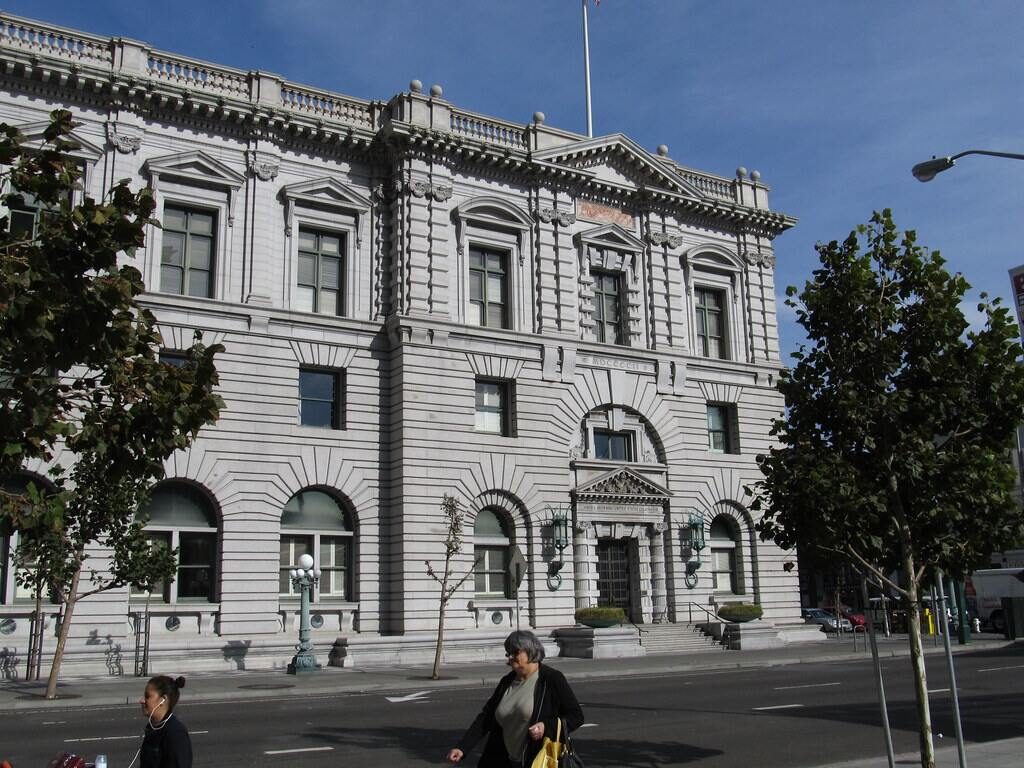
In response, the Trump administration swiftly appealed the decision, seeking an emergency stay to keep the tariffs in place while the case was under review. On Thursday, the U.S. Court of Appeals for the Federal Circuit granted a temporary stay, allowing the tariffs to remain in effect for the time being.
The court’s order stated that the trade court’s ruling is “temporarily stayed until further notice while this court considers the motions papers.” This decision provides the administration with crucial breathing space as it prepares its arguments for a longer-term suspension, and the appeals court has given the plaintiffs until early June to respond, with the government’s reply due shortly after.
The legal uncertainty surrounding the tariffs has already affected ongoing trade negotiations, with several countries citing the U.S. dispute as a factor in their approach to bilateral talks, according to Reuters. The tariffs themselves have been a source of tension with major trading partners, prompting retaliatory measures and affecting global supply chains.
President Trump, responding to the court developments on social media, wrote: “This decision is being hailed all over the World by every Country, other than the United States of America.” He further warned, “If allowed to stand, this would completely destroy Presidential Power — The Presidency would never be the same!” and described the ruling as “the harshest financial ruling ever levelled on us as a Sovereign Nation.”
Despite the legal setback, White House officials have indicated their determination to pursue alternative strategies if the appeal is unsuccessful. Trump trade adviser Peter Navarro told reporters, “Even if we lose, we will do it another way.” The administration has also shown its willingness to take the case to the Supreme Court if necessary.
Both sides are preparing for a potential escalation to the Supreme Court. President Trump has urged the justices to intervene, writing, “Hopefully, the Supreme Court will reverse this horrible, Country threatening decision, QUICKLY and DECISIVELY.”