

The University of Otago has gone to the legal ceiling again. On Tuesday its Council approved a 6 percent rise in domestic tuition fees for 2027. That is the maximum the Government’s Annual Maximum Fee Movement policy allows, and the third year in a row Otago has taken all of it. Undergraduate increases run from $393 for a Bachelor of Arts to $1,043 for Medicine. The student activity fee climbs 7 percent to $1,152.
This is not mainly a story about student hardship, although there is plenty of that. It shows how tertiary funding pressure is being moved off the Crown’s books and onto the people who will staff hospitals, schools and professional firms over the next decade.
A policy choice, written down
Nobody needs to guess at the intent. Otago’s June 2026 Council agenda describes the 6 percent fee maxima as a signal of Government policy to shift more of the cost of tertiary education onto students and away from taxpayers.
The ceiling moved fast. It was 1.1 percent in 2021 and about 2.85 percent in 2024, before the Government lifted it to 6 percent. It has stayed there for three fee rounds.
A fiscally conservative reader can defend part of this. Graduates capture much of the return on a degree, and fees had fallen behind. Otago’s own November 2025 Council paper showed that from 2018 to mid-2025, CPI rose 30 percent while per-student government funding rose 19 percent and tuition fees only 14 percent. Some catch-up was overdue.
What a fiscal conservative should not accept is a pricing lever that only goes up while the institution’s finances fail to improve.
Maximum fees, still no surplus
The same 2025 paper is the detail that matters. Each 1 percent fee rise brought in roughly $1.4 million, so the 2026 round was worth about $8.66 million. Otago is rated medium-risk by the Tertiary Education Commission and must return to surplus. Even with the full increase, its draft 2026 budget still fell short.
The 2025 Annual Report explains the gap. The expiry of a temporary 4 percent subsidy top-up alone cost Otago $11.8 million, and research funding was cut on top of that. Real funding per student fell into 2026. Fees are now doing the job that subsidy growth used to do, and they are not big enough to do it.
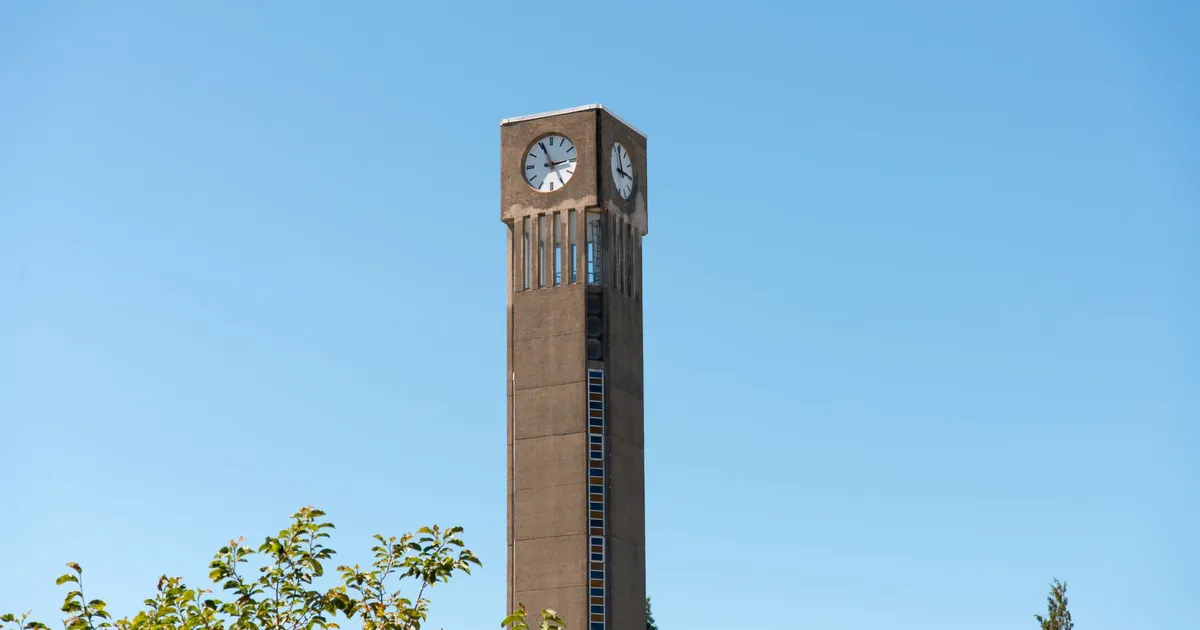
In 2025, vice-chancellor Grant Robertson said the 2026 increase was “necessary given government assistance isn’t keeping pace with the university’s costs”. There is an irony here. Robertson, a former Labour finance minister, led a Clocktower protest against rising fees in 1993 as a student. He has now brought three maximum rises to Council. Student representatives this year conceded the university “made the right call” given the risk of job cuts, and that tells you how tight the margins are.
The pipeline is where it bites
For employers, the problem is what all this does to the people coming through. In February 2026, Simplicity chief economist Shamubeel Eaqub published analysis showing that student support rose 86 percent between 2005 and 2025, while essential living costs rose 220 percent. Median loan balances went from $10,000 to $24,000. He warned that many graduates would start “careers already behind”, which means delayed home ownership and thin savings. That makes them more likely to take the higher salary in Sydney or London.
Eaqub floated loan forgiveness for public-benefit fields such as teaching and nursing. Those shortage professions are where fee rises matter most. The largest dollar increase in this round falls on Medicine, in a country that already imports a large share of its doctors.
In March, student leaders told RNZ students were facing their “toughest time” in years. The ODT reports fresh condemnation from student representatives this week.
What business should demand
Industry has backed a more growth-focused tertiary system. In 2025, BusinessNZ said a sharper focus on skills and productivity “should provide greater confidence” for students investing in study. That confidence is harder to sustain when the price rises at the cap every year and the institution still cannot balance its books.
Dunedin business has a second exposure. Otago anchors the regional economy, and a medium-risk university that cannot reach surplus will eventually cut staff, programmes or both.
The June papers point to more funding reviews ahead. Employers should push for one thing from them, which is a settled and predictable split between what the state pays and what students pay, tied to costs rather than the annual Budget mood. Three years of maximum rises have not fixed Otago’s finances. They have simply moved the cost onto the future workforce.
Sources
- Critic: Uni Council To Raise Fees By 6% (2026-11-24)
- ODT: Massive fee hikes at Otago University condemned by student representative (2026-11-24)
- Newsroom: Budget shifts universities’ financial burden onto students (2024-05-31)
- nzcity: Otago University students are facing back to back increases to their tuition fees (2025-11-12)
- RNZ: Being a student is pricier than ever – does it pay off? (2026-02-23)
- RNZ: University students facing the ‘toughest time’ in years as costs increase (2026-03-20)
- BusinessNZ: Uni strategy – Renewed focus gets an ‘A’ (2025-09-02)
Join the discussion
Add useful context, ask a good question, or challenge an idea — keep it specific and respectful.