

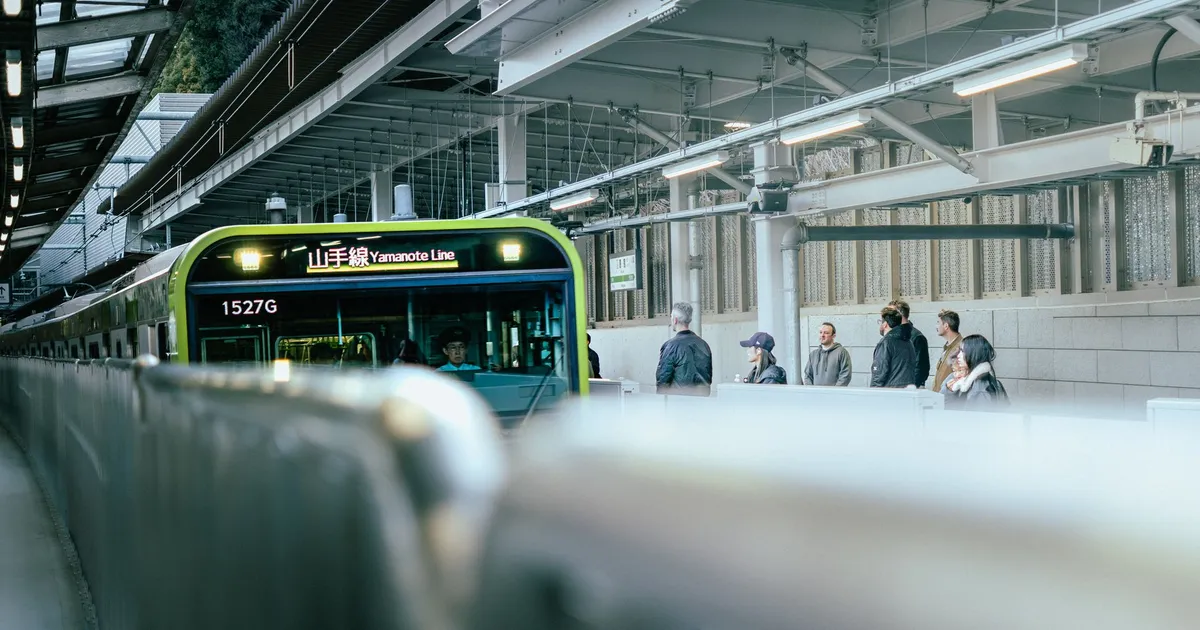
Canterbury’s commuter rail trial was sold as a government win for the region. Read the fine print and it looks more like a transfer of risk. The Crown is lending, Mainland Rail is operating, and councils are being asked to find the gap in budgets that are already short of money for potholes and buses.
On 1 November, Rail Minister Winston Peters and Regional Development Minister Shane Jones announced a $3.4 million Regional Infrastructure Fund loan for morning and evening services linking Rangiora, Rolleston and Christchurch from mid-2027, plus a 12-month Mainlander trial to Invercargill. The condition that matters is that councils must collectively stump up $1.7 million in co-funding. Jones pitched a Rolleston-to-Christchurch trip of under 20 minutes against 50 by road. That is a genuine productivity case for commuters and employers. It is also a case ratepayers are being asked to underwrite before anyone knows what it costs them.
The business model leans on the farebox
Mainland Rail director Paul Jackson has put his own capital in, buying former Auckland Transport carriages, and has promised that ratepayers will know fares before councils commit. He is targeting $10 or less a trip, benchmarked against Wellington-Porirua’s $6.39 peak fare. But the trial’s $6.8 million operating budget assumes farebox revenue covers only half. If patronage disappoints, the question of who carries the other half becomes very real, very fast.
Save Our Trains Southern has already argued the 12-month window is too short to prove viability, compared with the five-year runway given to Te Huia in the North Island. A trial designed to be judged quickly is a trial that can be declared a failure quickly, after councils have spent the money.
Councils must commit before the plan exists
The sequencing is where this gets awkward. At Wednesday’s Canterbury Regional Transport Committee, NZTA regional relationships manager James Caygill explained that rail must be in the Regional Land Transport Plan to unlock the fund money. That regional plan cannot include rail until it appears in individual council Long Term Plans. Environment Canterbury’s current plan treated rail as merely “on the horizon” and budgeted only $525,000 for it in 2027/28.
Because the government deferred its transport policy statement until early 2027, ECan will consult on the regional plan in April, with adoption by late July, at exactly the same time councils consult on their Long Term Plans. Councils will be locking in decade-long spending for a service whose fares, patronage and shape remain unsettled, while the document meant to sequence it is still being drafted.
Timaru Mayor Nigel Bowen put it bluntly. “We are likely to end up robbing Peter to pay Paul. Often opportunities like this aren’t as good as they look because it can have a cascading effect on other services.” He is right, and it is the core of the story.
The public transport rate is already maxed out
In August, ECan councillors asked staff to cap average rate rises at 2.9% for 2027/28. Staff modelling found that a 2% rise would cut bus services, 5% would merely hold them, and more than 8% would be needed to deliver the region’s promised Public Transport Futures upgrade. That targeted rate falls on Greater Christchurch and Timaru residents and businesses. Any rail share competes directly with buses in the same pot.
The wider budget picture is no kinder. Infometrics principal economist Brad Olsen points to bitumen up nearly 60% in a year, bridge costs up 50% and water delivery costs up 65% over a decade. He warns the proposed 4% rates cap “hides the issue” and leaves councils giving up “quite a lot in terms of water and roading infrastructure.” Squeeze a new rail obligation into that envelope and something else gives.
Ratepayers were already a major funder
Canterbury’s councils are hardly free riders. ECan figures published in 2025 showed the region’s 10-year land transport spend at $5.35 billion, with councils providing 33%, or $1.8 billion, largely from rates and user charges. Back in 2021-22, the Auditor-General found $179.8 million of Canterbury’s transport funding came straight from council rates and charges, with a further $72.3 million borrowed for roading.
Meanwhile, Budget 2026 put $1.441 billion of Crown money into rail nationally for 2026/27, mostly KiwiRail and metropolitan networks in Auckland and Wellington. Canterbury’s trial sits outside that, on a loan. Te Waihanga’s National Infrastructure Plan has already flagged that land transport ambitions outstrip user-charge revenue. Pushing the gap down to councils does not close it, it relocates it.
What business should watch
None of this makes rail a bad idea. Faster commutes from fast-growing Rolleston and Rangiora would widen labour catchments and ease road congestion for freight. A private operator willing to risk its own capital is a better model than another Crown-run service. But the deal has to be honest about who carries the downside.
The test comes in February, when committee chair Deon Swiggs expects staff to show where rail fits, and then in April’s dual consultation. Canterbury firms paying targeted rates should read those documents closely and ask one question. If the farebox falls short and the trial ends after 12 months, what bus route or road repair paid for it?
Sources
- Otago Daily Times: Canterbury’s mayors grapple with funding rail (2026-11-20)
- RNZ: Christchurch commuter rail trial gets green light (2026-11-01)
- The Press: Ratepayers will know cost of passenger rail service before committing public funds (2026-11-02)
- Otago Daily Times: Lower rates and better services ‘a bit unrealistic’, economist says (2026-11-18)
- Environment Canterbury: Canterbury transport spend (2025-03-12)
- The Audit Office: Regional funding, South Island (2023)
- Treasury: Vote Transport Estimates of Appropriations 2026/27 (2026-05)
- Te Waihanga: National Infrastructure Plan, land transport sector summary
Join the discussion
Add useful context, ask a good question, or challenge an idea — keep it specific and respectful.