

The recovery is real. It just isn’t arriving everywhere at once. Westpac’s November Economic Overview says the economy is growing at or slightly above trend, but that growth is “skewed heavily towards external sector orientated industries and regions”. Farmers, foresters, growers and tourism operators are already seeing the upturn. Retailers, hospitality operators and housing-linked trades will be waiting well into next year.
That is the practical message for business owners. A growing economy in aggregate does not mean your customers are getting richer.
The numbers say growth, the tills say otherwise
Stats NZ’s June quarter figures showed the economy grew 0.2 percent, beating both the Reserve Bank’s forecast of zero and the analyst median. Annual growth reached 2.6 percent, well ahead of population growth of 0.7 percent. Westpac now expects 2.8 percent growth in both 2027 and 2028.
For households, those figures barely register. Westpac forecasts unemployment to hold at 5.7 percent this year, easing only from around mid-2027, while house prices, which fell through 2026, are tipped to rise just 1.75 percent next year. That is too little to make anyone feel wealthier. Kelly Eckhold, Westpac’s chief economist, put it plainly in the same release: “The New Zealand economy is moving forward, but it doesn’t feel like a recovery everywhere.”
The gap has been widening for months. Westpac’s August overview found entrepreneurial earnings, a decent proxy for farm and business profits, were up 13 percent on the prior year, while average wage and salary earnings rose just 0.4 percent in the year to March, well below inflation. Business owners in the right sectors are doing fine. Their staff mostly aren’t.
A cheap dollar is doing the heavy lifting
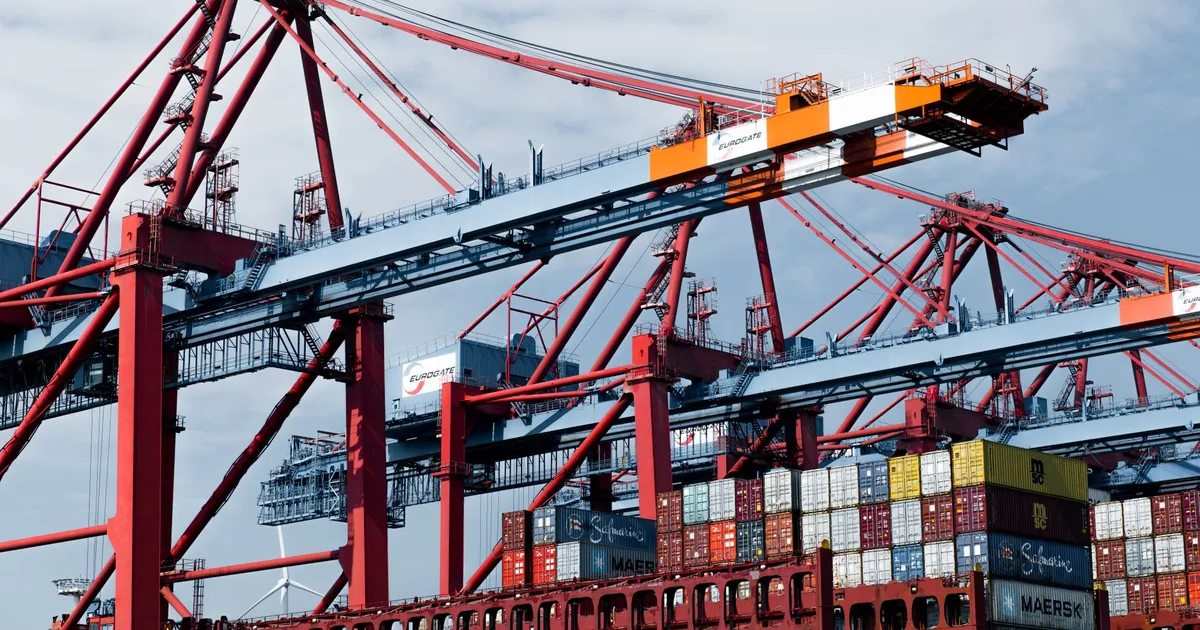
The engine is offshore. Westpac expects merchandise export volumes to grow more than 4 percent this year and services exports by 9 percent, with tourism still recovering. Both figures are upgrades on the August forecasts of just over 2 percent and around 8 percent respectively. Exporter momentum is accelerating, not merely holding.
Eckhold describes New Zealand as “on special” in foreign currency terms, which makes the country an easy sell to tourists hunting affordable holidays. The report credits “a low exchange rate, stronger global demand and tight supply conditions in soft commodity markets” with carrying the economy for now.
The same weak dollar that pumps up export receipts makes everything imported dearer. That is a direct hit to domestic retailers and their customers, and it helps explain why inflation was sitting above 4 percent after fuel prices surged in the wake of the Iran war. The two-speed economy is not a glitch. It is how the exchange rate works.
Painful, but probably the right shift
Westpac’s more interesting argument is structural. Eckhold contends that higher interest rates at home and abroad will push resources out of uncompetitive, housing-dominated sectors such as residential construction and consumption and into the stronger external sector. If sustained, he argues, that would be very positive for New Zealand long term, even though the transition hurts now.
That is a healthy diagnosis. An economy that earns its way through exports rather than borrowing against ever-rising house prices is a sturdier one. The caveat is that the shift isn’t neat. Construction was actually the largest contributor to June quarter growth, up 2.7 percent, a reminder that building activity and house prices don’t move in lockstep.
Watch the rate fight brewing
The most under-reported number in the report is the interest rate call. Westpac expects the OCR to climb to 4 percent in the second half of next year, well above the Reserve Bank’s own forecast peak of 3.25 percent. Westpac doubts the lower peak would get core inflation anywhere near 2 percent, and argues it would weaken the exchange rate further. It also expects the NZD to reach US62c by the end of next year.
For anyone refinancing business debt in 2027, that gap matters. If Westpac is right, borrowers budgeting on the central bank’s track are underestimating their costs.
What happens next
Exporters should treat the current window as exactly that. A rising dollar and higher rates will erode some of today’s advantage by late 2027, so now is the time to lock in contracts, review hedging and pay down debt. Domestic-facing firms face the opposite problem. Relief on import costs is coming, but job growth and household spending power won’t turn decisively until the middle of next year at the earliest. Plan cash flow for a long 2027, not a quick bounce.
Sources
- RNZ: The economy is growing, you’re just not feeling it yet, Westpac says (2026-11-18)
- Newstalk ZB: Exports, tourism drive continued economy recovery (2026-11-18)
- NZ Herald: Export boom masks a two-speed economy (2026-11-17)
- Stats NZ: Quarterly GDP growth – June 2026 (2026-09-17)
- Westpac: Economic Overview August 2026 (2026-08-27)
- RNZ: No really, the economy is improving (2026-08-27)
Join the discussion
Add useful context, ask a good question, or challenge an idea — keep it specific and respectful.