

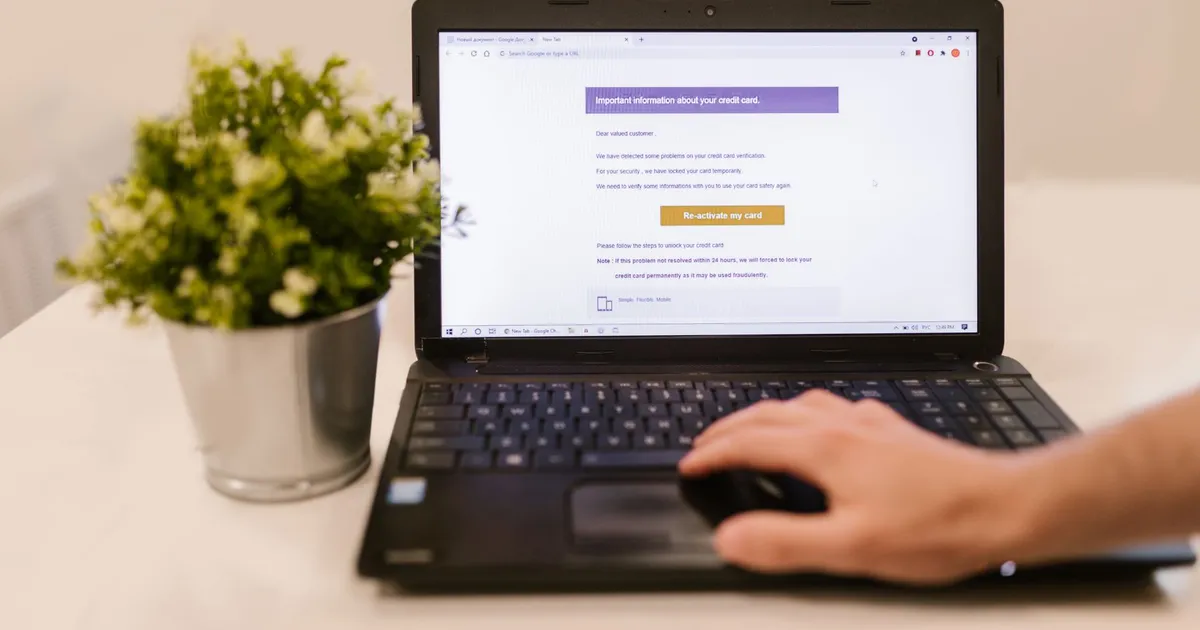
New Zealanders are confident, and they are getting scammed anyway. The latest State of Scams Report from the Global Anti-Scam Alliance and Netsafe found 73% of adults believe they can recognise a scam, yet 44% of those who encountered one went on to interact with it. For business owners, the lesson is blunt. If awareness alone worked, those two numbers would not sit side by side. Fraud has stopped being a consumer-education problem and become an operating cost.
The numbers behind the confidence gap
New Zealand adults lost an estimated $503.5 million to scams in the past year, facing an average of 88 attempts each. Email was the most common channel at 59%, followed by text at 44%. More than a third of victims were scammed more than once, and average losses among victims sat at $1623.
The most telling figure is how people find out. Some 49% of victims only discovered the fraud when a bank, family member or authority told them, up from 37% in 2025. People are not just failing to spot scams in the moment. They are failing to notice afterwards.
A caveat on the headline loss figure. Back in 2023, GASA estimated New Zealand’s scam losses at NZ$2.05 billion using a different methodology, and in 2025 Consumer NZ noted that estimates of annual losses have ranged from $200 million to $2 billion because of poor data collection. Nobody really knows the total. What is clear is the direction of the behaviour.
Business accounts are now the bigger prize
The consumer framing misses where the money is moving. Westpac’s survey of 657 business owners found 38% received scam attempts in the past year, and one in ten of those lost money. The average gross loss across affected businesses has jumped 78% year on year to more than $150,000, with bank impersonation accounting for 71% of gross losses in the first half of 2026.
One case shows how fast it goes wrong. A scammer sent a business a fake website, harvested login credentials and moved $148,000 to a money transfer company. A staffer at that company flagged the transaction, and Westpac ultimately blocked or recovered almost $500,000 in attempted transfers. The business got lucky. Its controls did not save it.
Matthew Kinney, Westpac’s senior manager financial crime operations, calls the findings “a wakeup call to business owners”, noting smaller firms often have fewer formal checks and limited resources to fight back.
Training budgets are losing the argument
In December 2025, BNZ found half of SMEs responded to a scam attempt in the previous year, and 64% said scam activity was rising. Yet 45% said cyber education was not a key priority. BNZ head of fraud operations Margaret Miller said at the time that scammers were “targeting the person sitting at the keyboard” rather than breaking through technical security.
That is the uncomfortable point. Staff training matters, but the national data shows confidence is not the same as protection. A business that relies on its accounts clerk spotting a perfect replica of a bank login page is gambling. The cheaper fix is friction built into the process: dual authorisation on payments, call-back verification for any change to supplier bank details, hard limits on Business Online transfers, and a written incident plan that staff know before they need it.
Banks are building the rails
The banking sector is doing its part. The New Zealand Banking Association says its Fraud Intelligence Exchange has recovered $10 million in nine months and identified nearly 5,000 money mule accounts. The updated Code of Banking Practice adds confirmation of payee, pre-transaction warnings and 24/7 reporting. NZBA chief executive Roger Beaumont is right that social media and global tech platforms, where scams usually start, need to carry more of the load.
Netsafe chief executive Brent Carey makes a similar case, arguing protection is “a responsibility for every organisation” involved in everyday transactions. That includes employers, retailers and anyone running a payroll.
What happens next
Expect pressure to build on telcos and platforms to share liability, and expect banks to add more friction to large business payments. Both are reasonable. But no code of practice will stop a staff member approving a transfer the business never built a check against. With the average business hit now above $150,000, the firms that treat scams as a finance-team control issue rather than an IT poster in the tearoom will be the ones still solvent when the next convincing email arrives.
Sources
- 1News: Almost half of NZers who encounter a scam interact with it – report (2026-11-12)
- Scoop: Kiwis face an average of 88 scam attempts a year, latest research shows (2026-11-12)
- GASA: State of Scams in New Zealand Report 2023 (2023)
- Consumer NZ: 5 things we’ve learnt about scams (2025-04-17)
- NZ Herald: Small businesses targeted by scams as Westpac reports 38% hit in past year (2026-08-19)
- Westpac: Businesses urged to stay vigilant as scam losses continue to rise (2026-08-20)
- BNZ: One in two Kiwi SMEs engaging with scams as staff training lags (2025-12-10)
- NZBA: Banks recover $10 million in scam losses for customers (2026-06-15)
Join the discussion
Add useful context, ask a good question, or challenge an idea — keep it specific and respectful.