

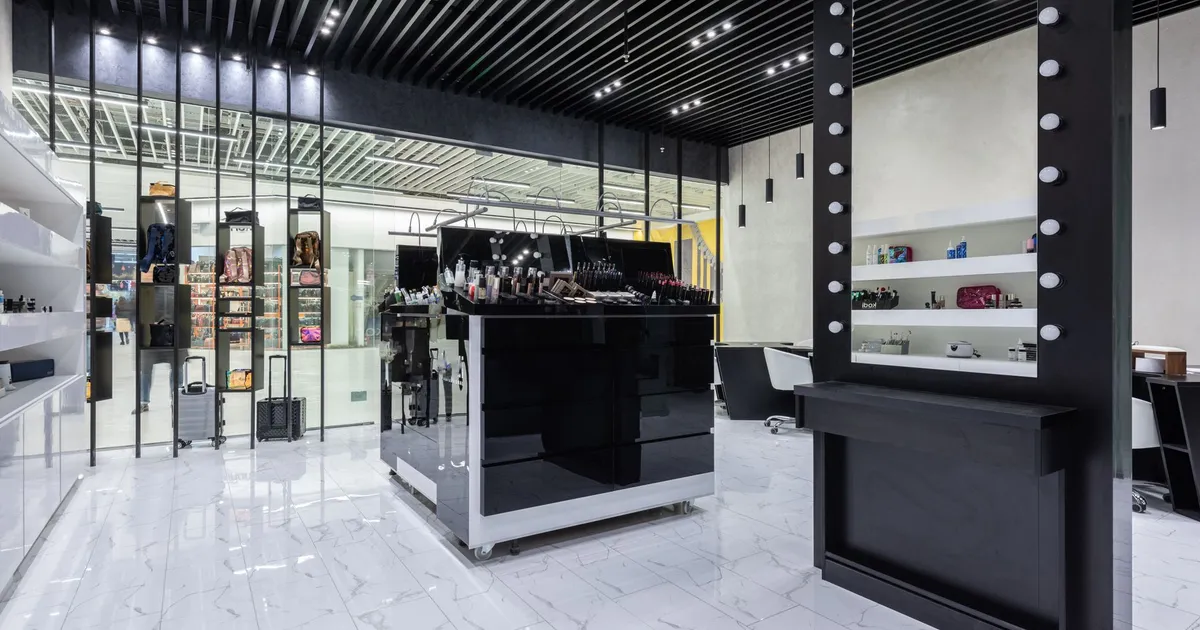
The Body Shop opens at Westfield Riccarton this week, creating at least 10 jobs in a prime Christchurch mall. Nineteen months ago, the company that last ran the brand here was in liquidation with $12.1 million in creditor claims against $2.2 million in assets.
That gap is the story. Liquidation did what restructuring could not. It separated the brand’s customer goodwill from the balance sheet that sank it. What was left was a recognisable name with a loyal following, available without the baggage. Whether that is a bargain or a trap depends on what happens next.
The debt died with the old company
The previous operator entered voluntary administration on 22 January 2025 after three consecutive years of losses. All 16 stores had shut by 21 February 2025, and creditors voted the company into liquidation that April.
The liquidator’s 2025 report showed who wore the loss. The largest claim, $7.5 million, was intercompany debt owed to UK-based TBSI Realisations and Body Shop Australia, more than 60% of the total. Landlords Scentre Group, Kiwi Property and Stride Property were owed a combined $3.6 million. Inland Revenue was owed $168,000 and staff $147,000. The same report listed 135 staff across the 16 stores: 26 full-time, 37 part-time and 72 casual.
That last figure deserves attention. Coverage in 2025 widely reported about 70 jobs lost. The liquidator’s headcount was nearly double that, with casual workers making up the bulk. Retail collapses routinely understate their human cost because casuals disappear from the count.
A parent’s problem became a franchise opportunity
The New Zealand business was collateral damage. Its UK parent entered administration in February 2024 owing about £276 million, closing more than 80 stores across the UK and Europe. When administrators sold the international assets in September 2024, New Zealand was left out, and no local buyer emerged. Investor consortium Auréa picked up the UK, Australian and other operations, and in 2025 the revived business reported a US$2.44 million profit on US$34.16 million in sales in its first three months, with Charles Denton, then its chief executive, declaring the chain “back for good”.
In 2025, co-owner Khan Wyman argued the New Zealand failure “wasn’t a product issue or a fashionability issue” but a post-Covid reorganisation by the parent. The evidence mostly supports him. An intercompany debt that size points to structure, not shoppers. But the $3.6 million owed to landlords is a reminder that 16 mall leases were a real cost the old business could not carry. The brand survived. The store footprint did not.
Version3 is growing like it cannot afford a mistake
Wyman and partner Pamela Bonira, trading as Version3, bought the franchise rights after the liquidation. They launched online in October 2025 and opened a single store at Richmond Mall near Nelson that November. At the time they flagged at least two more stores in 2026, “guided by customer feedback and demand”, and the revived UK parent’s chair and chief executive Mike Jatania described the re-entry as a step forward for the global business.
That is the right model. One store, prove demand, then expand. It is the opposite of the corporate rollout that left creditors short.
The risk is capital. Wyman says Richmond “had been trading well” but that Riccarton is a significant step up, and that the revival has taken “every penny we’ve got”. There is no sign of outside investment or a buffer beyond the founders’ own funds. A regional mall store and a flagship Westfield lease are very different commitments.
The landlord that lost money is leasing again
Here is the detail most coverage will miss. Westfield Riccarton is operated by Scentre Group, one of the landlords left out of pocket when the old operator folded. It is now handing premium space to the brand’s successor.
That is not hypocrisy, it is how commercial property works. Landlords price in tenant failure, absorb the hit and re-let to whoever can fill the space and drive foot traffic. A known brand under new, leaner ownership is an attractive tenant. But the lease terms still bind Version3, not the name above the door.
The real test is the next store, not this one
For anyone eyeing a distressed brand, The Body Shop is a live case study. Liquidation can make a loved name affordable, and a cautious, owner-operated franchise is better structured than the corporate model it replaced. The founders deserve credit for doing it the slow way.
The next 12 to 24 months will show whether that discipline holds. If Riccarton trades well and expansion stays tied to demand, this becomes a model for rebuilding a brand from the wreckage. If growth outruns the founders’ capital, it will look a lot like the story it set out to rewrite.
Sources
- NZ Herald: The Body Shop returns to Christchurch after $12m collapse as new owners plan nationwide expansion (2026-11-01)
- NZ Herald: The Body Shop returns under new local owners after liquidation – On The Up (2025-11-04)
- RNZ: Body Shop franchise returns to New Zealand with store in Richmond, near Nelson (2025-11-12)
- RNZ: All Body Shop stores close around country, 70 staff lose jobs (2025-04-02)
- Calibre Partners: The Body Shop New Zealand Ltd – Liquidation Report (2025-04-03)
- The Post: Body Shop NZ closure, 3 years of losses before administration (2025-04-03)
Join the discussion
Add useful context, ask a good question, or challenge an idea — keep it specific and respectful.